When you’re building outdoor living spaces in Texas, choosing the right materials makes all the difference. The Texas climate throws everything at your backyard: scorching summer heat, occasional freezes, torrential downpours, and that relentless UV exposure. Your patio needs to handle it all while still looking beautiful for family gatherings and relaxing evenings.
Let’s talk about the materials that actually work for Texas homeowners.
Travertine: The Cool-Touch Champion
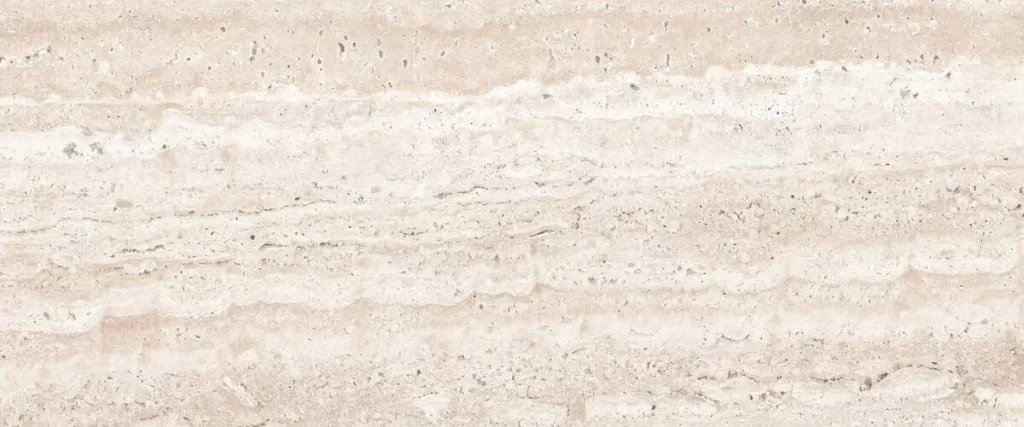
Travertine stands out among natural stone options because it stays surprisingly cool underfoot, even during the worst of the Texas heat. This limestone-based material has been used for centuries in hot climates, and there’s a good reason why.
The surface remains comfortable to walk on barefoot when temperatures soar into the triple digits. It comes in warm, earthy tones that complement Texas homes beautifully. You’ll find it holds up well against our weather patterns, though it does need sealing every few years to maintain its durability.
Flagstone: The Native Choice
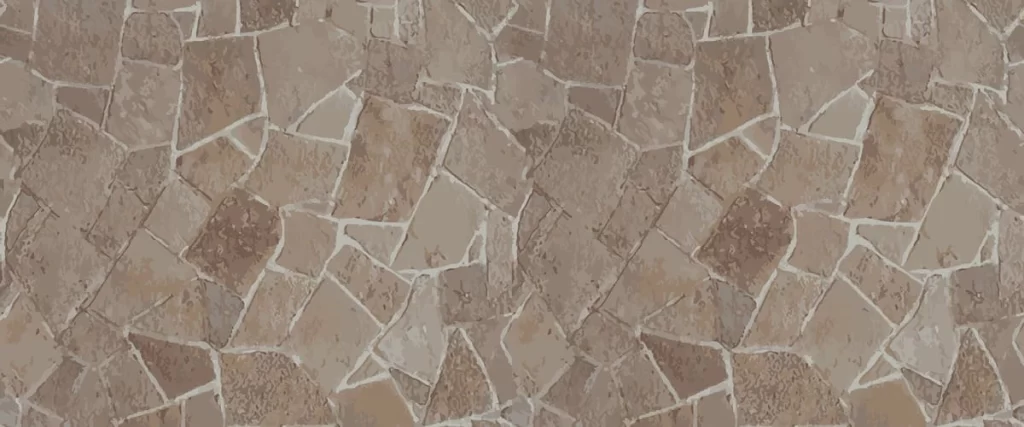
Flagstone brings that authentic Texas Hill Country aesthetic to your outdoor space. This natural stone material features irregular shapes that create unique patterns, giving your patio character you won’t find with uniform materials.
Its textured surface provides excellent traction, even when wet. Rain protection becomes less of a concern because the stone naturally channels water away. Flagstone integrates seamlessly with native plants and existing hardscape, making it perfect if you want your outdoor living area to feel like it belongs to the landscape.
The thickness and density of flagstone help it withstand temperature fluctuations without cracking.
Stamped Concrete: Budget-Friendly Versatility
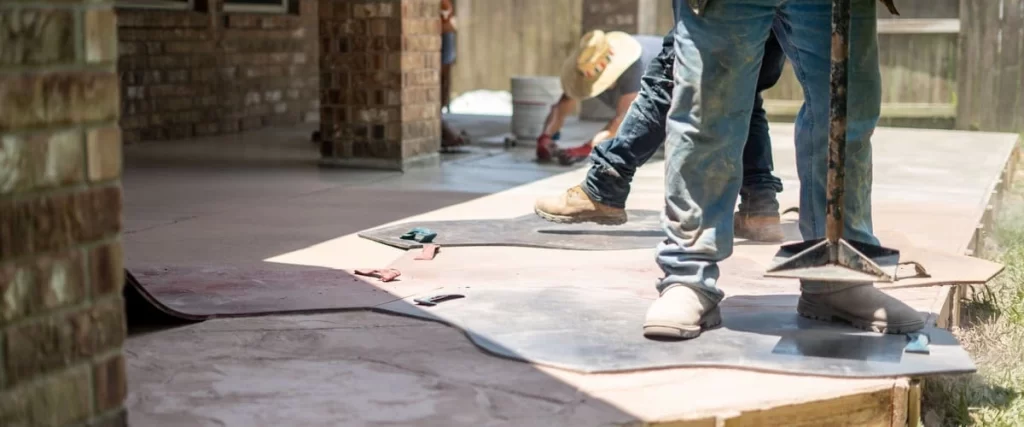
Concrete patios offer incredible flexibility for Texas backyards. Stamped concrete can mimic the look of natural stone, brick, or even wood at a fraction of the cost. Modern techniques have come a long way in creating realistic textures and patterns.
The material works well for large outdoor zones where you need ample space for outdoor kitchens or a cozy seating area. Proper installation with adequate expansion joints helps prevent cracking as temperatures shift. You can add integrated lighting right into the surface during installation. The surface stays relatively cool with lighter color choices, though darker stamped patterns will absorb more heat.
Just remember to ensure proper drainage during installation. Standing water can eventually damage the surface.
Pavers: The Reliable Workhorse
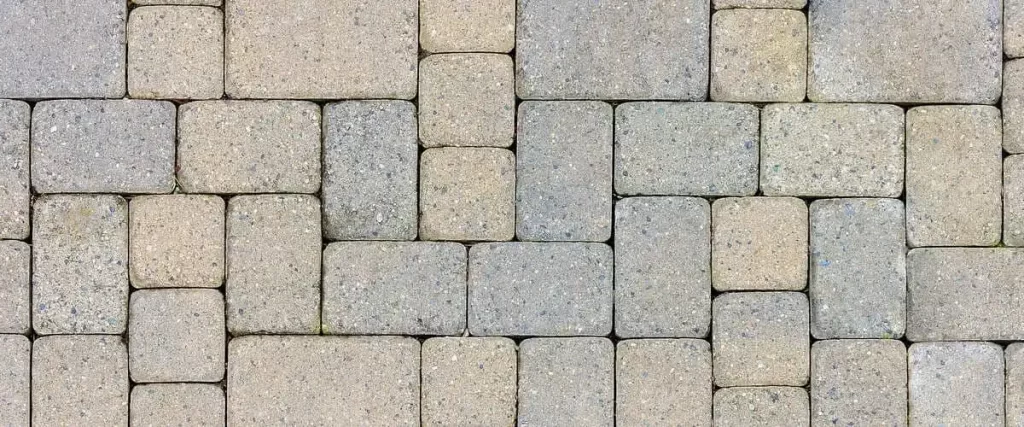
Concrete and brick pavers have earned their reputation as go-to patio materials for good reason. They handle the Texas weather beautifully, and if one gets damaged, you can replace it without redoing your entire outdoor living room.
Pavers come in countless colors, shapes, and patterns. You can create intricate designs or keep things simple. The gaps between pavers allow water to drain naturally, which matters when those heavy storms roll through San Antonio and surrounding areas.
- Concrete pavers: Durable, affordable, and available in numerous styles
- Brick pavers: Classic appeal with excellent longevity
- Permeable pavers: Help with drainage while reducing runoff
The Texas Commission on Environmental Quality (TCEQ) provides guidelines on permeable paving systems that can help manage stormwater runoff, something worth considering for your property value and local environment.
Porcelain Tile: The Modern Contender
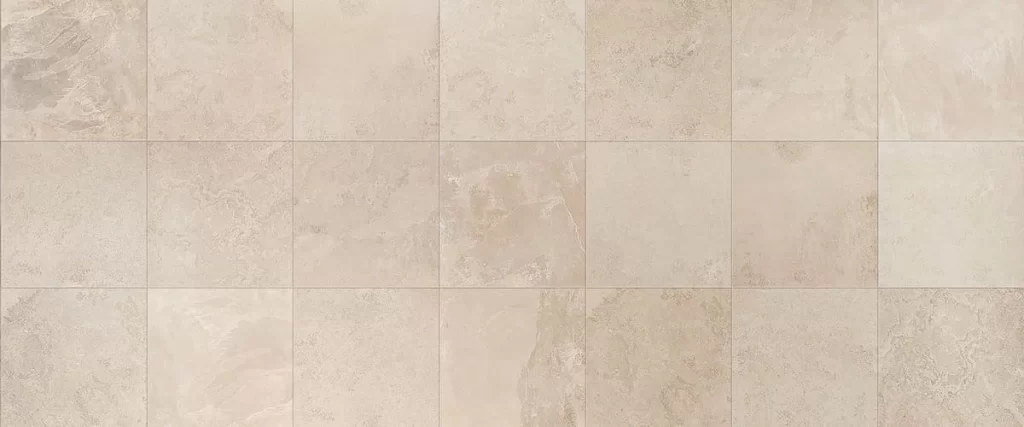
Porcelain tile has entered the outdoor space market with impressive credentials. These aren’t your grandmother’s indoor tiles. Modern porcelain made for outdoor use resists fading, staining, and moisture like a champion.
The material stays cooler than traditional concrete and requires minimal maintenance. You can find porcelain that looks like wood, natural stone, or marble. The non-porous surface means spills from your outdoor kitchen wipe away easily.
Professional installation matters here. The substrate needs proper preparation, and the tiles require specific setting materials to handle outdoor conditions. Get this right, and you’ll have a stunning patio that lasts decades.
Composite Decking: The Low-Maintenance Alternative
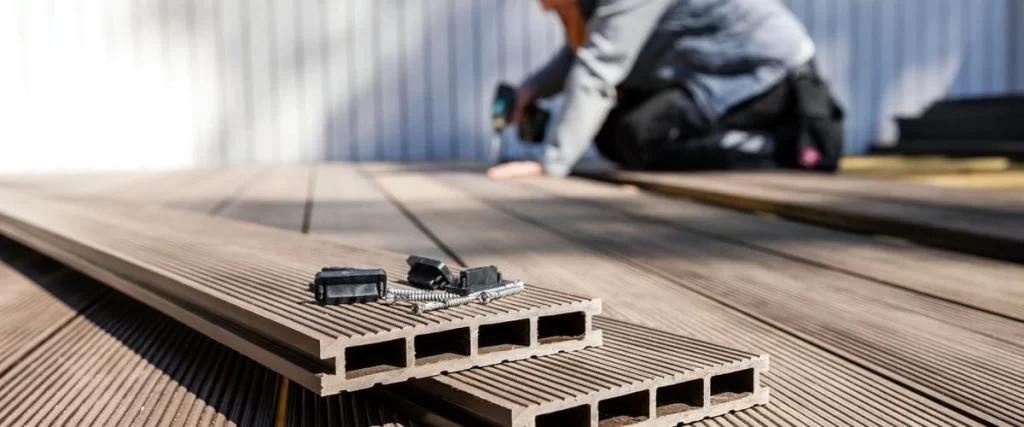
If you want an elevated patio or pool deck, composite decking deserves your attention. This weather-resistant material combines wood fibers and plastic to create boards that won’t rot, warp, or splinter.
Composite decking needs minimal upkeep compared to traditional wood. No staining, no sealing, just occasional cleaning. It stays cooler than solid plastic decking, though you’ll still want to add a patio cover or integrate ceiling fans for those brutal summer afternoons.
The material comes in various colors and finishes. You can build in seating directly into the deck structure, creating a cohesive outdoor living space. It works beautifully for covered patios where you want that warm, natural look without the maintenance headaches.
Saltillo Tile: The Traditional Beauty
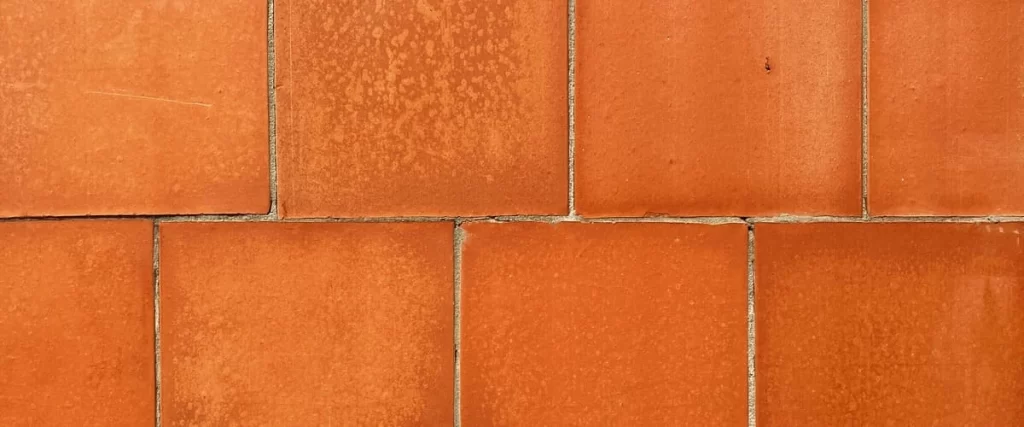
Saltillo tile brings authentic Mexican character to Texas homes. These handmade terracotta tiles feature that distinctive rustic charm with color variations that tell their own story.
The material needs more care than some modern options. You’ll need to seal it regularly to protect against stains and moisture. But many Texas homeowners feel the aesthetic appeal makes the extra effort worthwhile, especially for creating a backyard oasis with authentic southwestern style.
The tiles stay relatively cool and develop a beautiful patina over time. They pair wonderfully with potted plants, string lights, and architectural features common in Texas outdoor design.
Decomposed Granite: The Casual Option
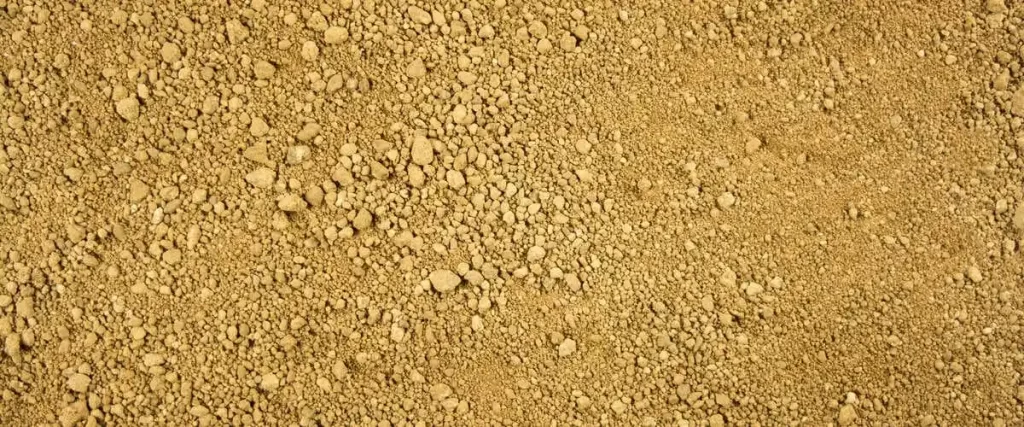
For a more relaxed approach to outdoor living ideas, decomposed granite creates permeable, natural-looking surfaces. This crushed stone material works well for casual seating areas, fire pit surrounds, or pathways connecting different outdoor zones.
It’s affordable, allows excellent drainage, and gives that casual Hill Country vibe. You’ll need to add fresh material occasionally and edge it properly to keep it contained. The surface isn’t ideal for areas with outdoor sofas or dining furniture since it’s not completely level or firm.
Think of it as a supporting player rather than your main patio surface. It shines around fire features, between pavers, or as a base for areas with artificial turf.
Making Your Choice
Selecting the right patio material means balancing durability, maintenance, cost, and the overall vision for your outdoor comfort. Consider how you’ll use the space. A custom outdoor kitchen with built-in grills needs a different surface than a simple patio with a fire pit.
Think about sun exposure in your yard. Some materials handle the direct Texas sun better than others. Factor in your home’s architectural style and existing landscape design. The right material should enhance your curb appeal while standing up to everything our climate throws at it.
Let Us Handle the Details
Reading about all these options is one thing. Actually choosing the right materials, ensuring proper installation, handling proper drainage, and creating an outdoor living space that works for your family is another challenge entirely.
Maybe you’d rather spend your time enjoying cooler evenings in your new outdoor living area instead of worrying about substrate preparation and material specifications. That’s exactly why MCM Outdoor Living exists. We’ve built countless outdoor spaces across Texas, and we know which materials truly perform in our climate versus which ones just sound good on paper.
We handle everything from the initial design through the final details like integrated lighting and built-in seating. Your backyard oasis shouldn’t be a source of stress.
Ready to start creating lasting memories in your outdoor space? Call us at (469) 583-6213 or message us here to schedule your free consultation. Let’s build something beautiful that actually lasts in the Texas weather.
Learn more about our paver patio services and discover how we can transform your outdoor living area into the retreat you’ve been imagining.