Your outdoor space deserves attention, especially when heavy foot traffic and weather leave their mark on your patio. Concrete pavers and natural stone can collect stubborn dirt, oil stains, and tough grime over time. Learning the best way to clean patio pavers keeps your outdoor area looking fresh and extends the life of your investment.
Understanding Your Paver Surface
Different pavers need different approaches. Brick pavers handle aggressive cleaning better than some natural stone varieties. Concrete pavers fall somewhere in the middle. Before you start the cleaning process, check what sand type fills your joints. Polymeric sand resists erosion better than regular joint sand, but both need careful treatment during cleaning.
Gathering Your Cleaning Tools
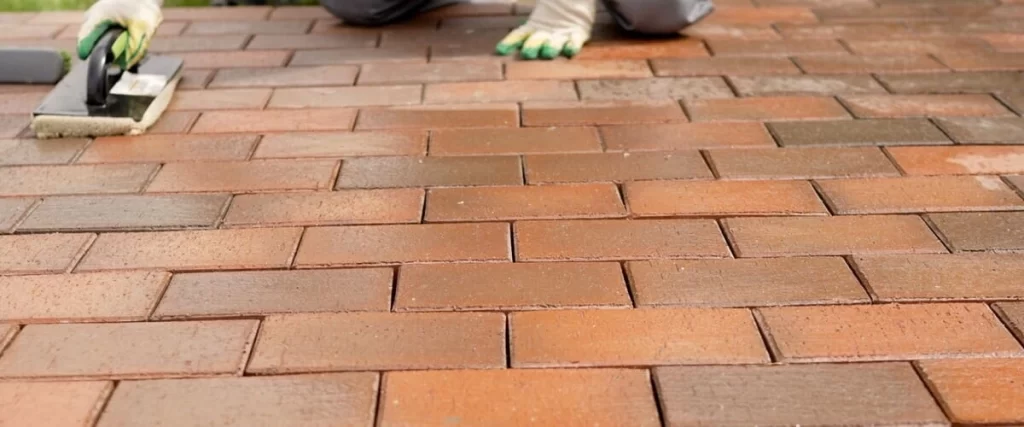
Start with basic supplies. A stiff bristled brush works wonders on most stains. Keep a push broom nearby for sweeping debris before you wet anything down. Your garden hose provides enough pressure for regular cleaning. A leaf blower clears leaves and loose dirt faster than sweeping alone.
Safety gear matters:
- Protective glasses shield your eyes from splashing cleaning solution
- Gloves protect your hands from scrubbing and chemical exposure
- Closed-toe shoes prevent injuries from dropped tools or slips
The Basic Cleaning Process
Remove furniture, potted plants, and other objects from your patio first. Sweep the entire area with your push broom. A leaf blower reaches between pavers where brooms miss. This prep work makes actual cleaning faster and more effective.
Rinse the paver surface with your garden hose. Wet pavers accept cleaning solutions better than dry ones. The water also shows you where stained areas concentrate.
Tackling Light Stains and Regular Maintenance
Warm water mixed with a non toxic dish soap handles most light stains. Mix your solution in a bucket. Pour it over small areas at a time. Let it sit for five minutes before scrubbing with your stiff brush.
Baking soda creates a gentle abrasive paste when mixed with water. Spread it on stubborn stains and let it work for ten minutes. Scrub in circular motions, adding elbow grease where needed. This method cleans patio pavers without harsh chemicals.
White vinegar offers another natural option. Mix one part vinegar with one part water for a vinegar solution that breaks down mildew and algae. Spray it on affected spots and scrub after a few minutes. The vinegar water solution won’t damage most pavers, though you should test natural stone in an inconspicuous spot first.
Removing Tough Stains
Oil stains need different treatment. Sprinkle baking soda directly on the oil and let it absorb for several hours. Sweep away the powder and repeat if needed. For older oil stains, a degreasing dish soap works better than general cleaners.
Algae and mildew create slippery surfaces. A mixture using one part bleach to ten parts water kills growth effectively. Apply with a spray bottle, wait ten minutes, then scrub. Rinse thoroughly multiple times. Keep bleach away from plants and grass.
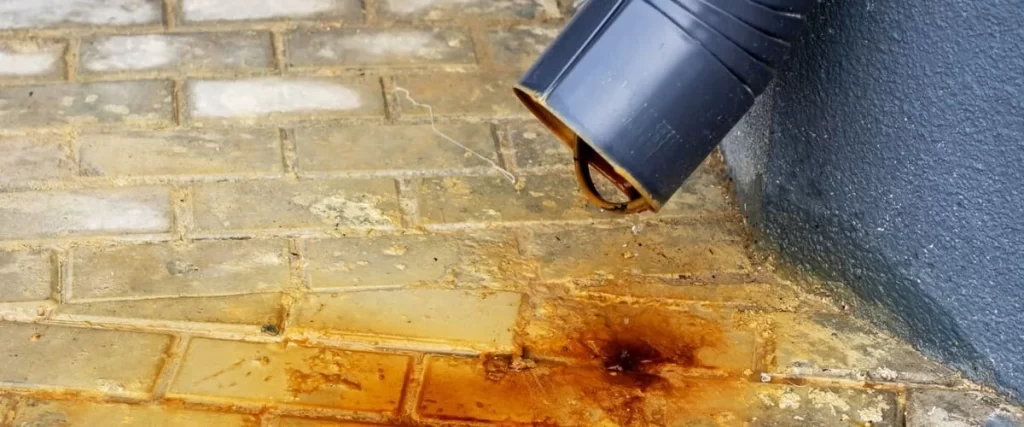
Rust and mineral deposits respond to acidic cleaners. White vinegar works on mild cases. Tougher situations might need muriatic acid, but this requires extreme care. The Environmental Protection Agency provides guidelines on safe handling of strong chemicals like muriatic acid through their consumer product safety resources. Always dilute according to instructions, work in small areas, and rinse completely.
Pressure Washing Considerations
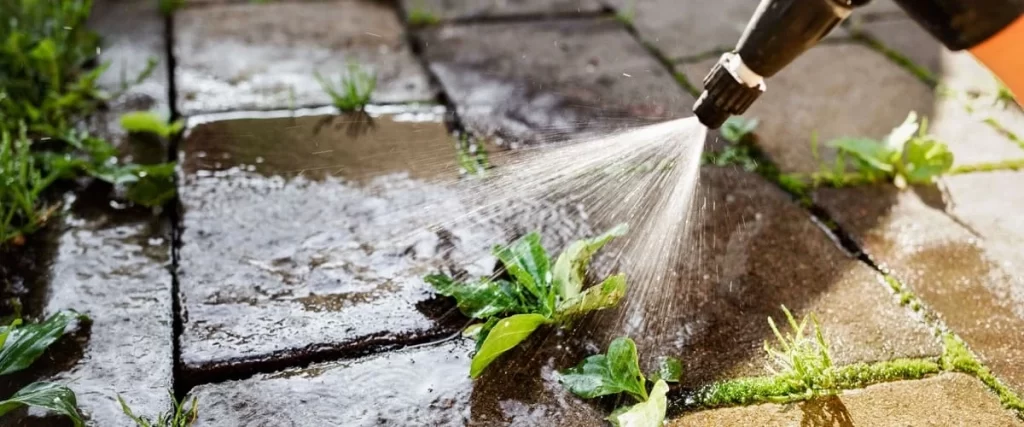
A pressure washer speeds up cleaning but demands caution. Too much pressure damages joint sand and can pit concrete pavers. If you choose pressure washing, use a wide-angle nozzle and keep it moving. Stand at least a foot away from the surface.
Check your joint sand after pressure washing. You’ll likely need to refill joints where sand washed out. Wait for pavers to dry completely before adding new sand.
Many homeowners find that a regular garden hose with a high-pressure nozzle attachment provides enough cleaning power without risking damage. Save the pressure washer for extremely stubborn dirt on durable concrete pavers only.
What to Avoid
Harsh chemicals can discolor pavers and harm surrounding vegetation. Skip products containing acid unless absolutely necessary for rust. Even then, neutralize the area afterward with baking soda and water.
Metal wire brushes scratch softer pavers. Stick with stiff plastic or natural bristle brushes. Test any new cleaning solution on a hidden spot before applying it broadly.
Don’t forget about your sand. Aggressive scrubbing or too much water pressure removes joint sand. This creates gaps where weeds grow and pavers shift.
Protecting Clean Pavers from Future Stains
Once your pavers are completely clean, consider sealing them. Sealer creates a barrier against stains and makes regular cleaning easier. New pavers benefit from sealing right away. Older pavers need thorough cleaning before sealing works properly.
Regular sweeping prevents dirt buildup. A quick weekly sweep with your broom keeps debris from grinding into the paver surface. Move potted plants occasionally to prevent moisture spots. Address spills immediately before they set.
Maintenance Schedule
Spring cleaning tackles winter grime. Fall cleaning removes organic debris before wet weather sets in. Address specific stains as they appear. Most patios need deep cleaning twice yearly, with light maintenance monthly.
High-traffic areas might need attention more often. Watch for algae growth in shaded spots. Catch problems early and they take less effort to fix.
When Professional Help Makes Sense
Sometimes the cleaning process feels overwhelming. Maybe your patio has years of neglected buildup. Perhaps you tried everything and stubborn stains remain. Professional paver installation and maintenance companies have commercial-grade equipment and expertise with different paver types.
You might prefer spending your weekend relaxing on your patio rather than scrubbing it. Some stains need specialty products that aren’t worth buying for one-time use. Heavy grime and extensive mildew respond better to professional pressure washing equipment operated by trained technicians.
If you’re looking at your outdoor pavers and feeling tired just thinking about the work ahead, you don’t have to tackle this alone. Professional cleaning restores your patio faster and often more thoroughly than DIY methods. You get your outdoor space back without the physical strain or time commitment.
MCM Outdoor Living handles all aspects of paver patios, from installation to maintenance. Our team knows how to clean different paver types safely and effectively. We protect your joint sand, remove tough stains, and can apply sealer when we’re done. You get a refreshed patio without lifting a finger.
Ready to enjoy your outdoor space again? Call us at (469) 583-6213 or message us here to discuss your patio cleaning needs. We’ll handle the scrubbing while you plan that backyard barbecue.