Short answer? The “deal” you got on that low bid will cost you more within a few years. Budget materials fail, rushed labor creates structural problems, and suddenly, the savings you celebrated are funding a second project to fix the first one.
The true cost of cheap backyard work almost always surpasses what quality work would have run in the first place.
That Low Bid Has a Price Tag You Can’t See Yet
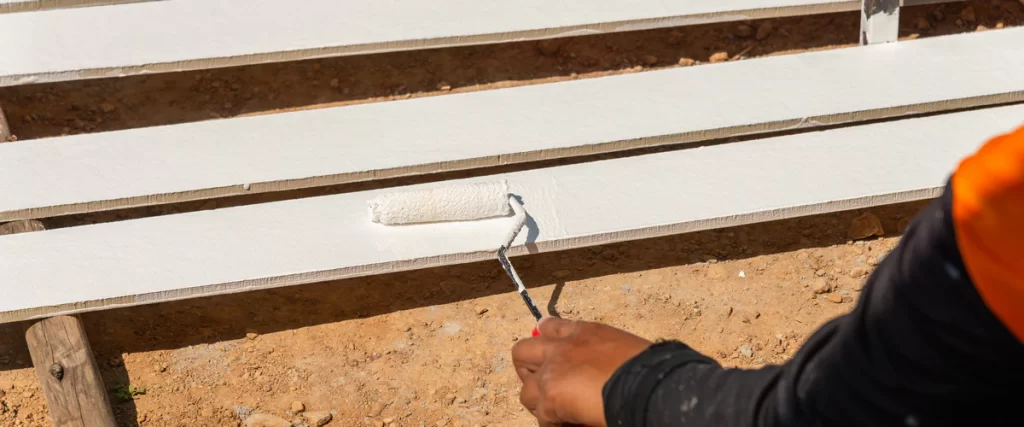
Every homeowner has felt it. Three quotes land in your inbox, one is noticeably lower, and it takes real discipline not to just say yes. But that final cost you’re imagining? It’s rarely the number that shows up in reality.
Low bids survive by cutting things you won’t notice until it’s too late:
- Thin or substitute materials that look identical on day one but behave very differently after two Texas summers
- Skipped site prep, including drainage work, soil testing, and proper grading before patios or retaining walls go in
- Labor that’s underqualified for the complexity of the job, particularly for water features, irrigation systems, and any construction involving underground utilities
- No meaningful warranty, or one written vaguely enough that it covers nothing you’d actually need
The hidden costs in these projects don’t announce themselves. They show up as a retaining wall that starts leaning, pavers that shift after the first heavy rain, or plants that were never right for your soil conditions and die before summer ends.
The Real Numbers Behind Choosing Materials on Price Alone
Here’s a straightforward look at what budget decisions typically cost homeowners down the road:
| Area | Cheap Shortcut | What Usually Goes Wrong | Repair or Replacement Cost |
| Patio pavers | Thin concrete, minimal base | Cracking, shifting, uneven surface | $3,500–$9,000 |
| Retaining walls | Underbuilt, wrong materials | Leaning, erosion, partial collapse | $6,000–$18,000 |
| Irrigation systems | Improperly zoned, poor-quality components | Water waste, dead plants, inflated energy bills | $2,500–$7,000 |
| Landscape lighting | Basic solar, no planning | Poor coverage, short lifespan, zero curb appeal improvement | $1,500–$4,500 |
| Plant selection | Wrong species for your zone | Mass die-off, replanting costs, bare beds | $800–$4,000+ |
| Water features | Cheap pumps, no proper drainage design | Leaks, erosion, foundation risk | $3,000–$10,000 |
These aren’t extreme scenarios. For most homeowners dealing with the aftermath of a budget job, repair costs end up representing a significant portion of what quality construction would have cost originally.
Where Hidden Costs Actually Live
Soil conditions quietly determine whether your entire project succeeds or fails. Compacted clay, poor drainage, rocky ground, all of these require real work before anything gets built on top. Skip it, and your paved surfaces move, your plants struggle, and your drainage problems multiply.
Plant selection is another area where savings upfront create losses fast. The USDA Plant Hardiness Zone Map is the standard resource for determining which plants thrive at a specific location based on average minimum winter temperatures. Ignoring your zone when choosing plants isn’t a small gamble. It’s a near-guaranteed replanting cycle every few years, and those landscaping costs add up quickly.
Irrigation systems deserve particular attention. A poorly designed system doesn’t just waste water, it inflates your water bills month after month, erodes soil, and can cause root rot in plants that would otherwise thrive. The upfront cost difference between a properly zoned system and a slapdash one is minor. The long-term difference is substantial.
And underground utilities. Any contractor who skips calling 811 before digging is putting your project, your property, and honestly your family’s safety at risk. Proper installation means doing this every single time, no exceptions.
What High Quality Materials Actually Do For You
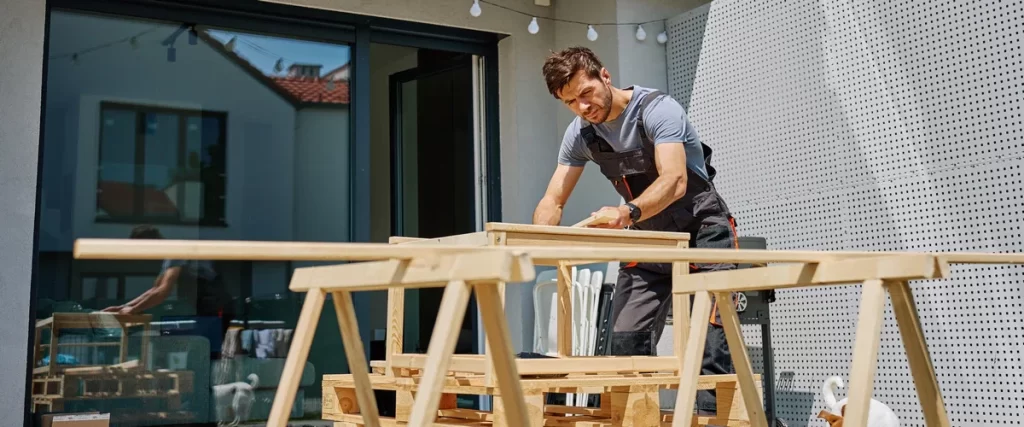
Choosing high-quality materials for patios, hardscaping, and outdoor structures isn’t just about looks. It’s about long-haul performance.
Travertine and natural stone pavers hold up against freeze-thaw cycles and heavy use far better than thin concrete alternatives. Properly built retaining walls, designed with drainage in mind and built to the right specifications, last for decades.
Thoughtful design that accounts for environmental factors like sun, wind, water flow, and soil type reduces your overall maintenance burden significantly and protects your investment over time.
Mature plants, correctly matched to your soil conditions and hardiness zone, establish quickly and need far less intervention than cheap, wrong-season impulse buys from a big box store.
Energy efficiency is another real benefit of quality landscape design that most homeowners don’t factor into their project cost thinking.
What This Does to Your Property Value
According to the National Association of Realtors, the average homeowner can expect a 104% ROI on landscape maintenance, with basic lawn care delivering as much as 217% ROI. That’s not a typo.
A survey of 350 real estate professionals found that 97.7% believe good landscaping can improve a home’s value by at least 5%, with 56.3% stating it could enhance it by 15% or more.
Well-designed outdoor spaces create improved curb appeal that matters enormously to potential buyers. In a competitive real estate market, the first impression happens before anyone walks through the front door. A yard that signals care and quality invites offers. One with visible structural problems or patchy, dead landscaping does the opposite, and homes with poorly maintained landscapes can see prices 8% to 10% lower than comparable properties.
Landscape lighting plays a real role here too. LED fixtures specifically deliver the best long-term returns, lasting longer and reducing energy bills compared to standard alternatives. It’s one of the more underrated investments in outdoor living, and one of the first things potential buyers notice at dusk.
What Landscape Professionals Actually Give You
Working with experienced landscape professionals means more than having someone do the labor. It means getting detailed cost breakdowns before a single shovel goes in the ground, so you can make informed decisions about project size, design complexity, and where to invest for best value.
It means someone who understands how overall cost scales with detailed design, how choosing materials affects both the upfront costs and the long-term maintenance picture, and how to build outdoor spaces that deliver overall value rather than just looking good in photos.
If you want to understand what goes into choosing the right paver materials for your space, our blog on top paver patio materials is a great place to start. And if your yard has slopes or drainage challenges, one of the biggest hidden cost factors in outdoor construction, take a look at our post on what to do with a sloped backyard, which walks through real solutions that protect your investment long term.
FAQ
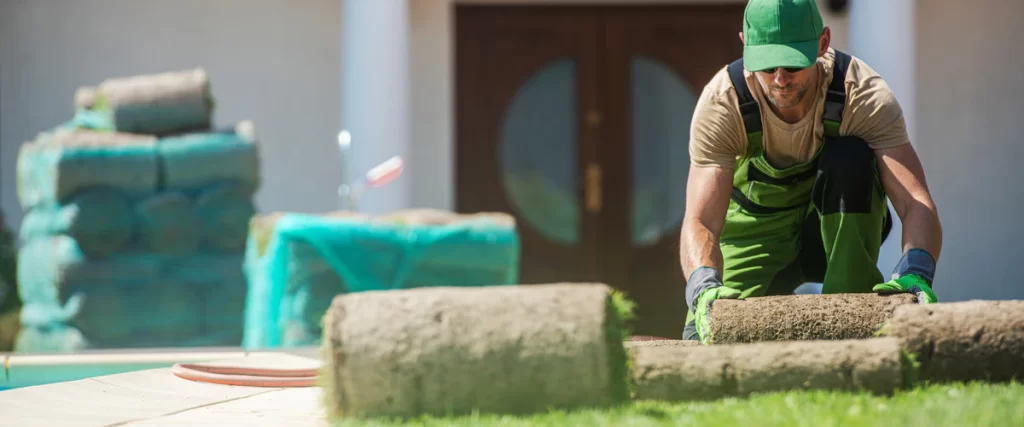
Are budget-friendly options ever actually a good idea? Yes, in the right places. Decorative furniture, some plantings, accent pieces, these are areas where budget-friendly options carry little risk. Structural work, drainage, irrigation systems, and retaining walls are the areas where saving money upfront creates the most expensive problems down the road.
How much do labor costs factor into the total cost of a backyard project? Labor typically represents 40 to 50% of the overall cost of most outdoor construction projects. Experienced crews cost more per hour for a reason. Mistakes in construction, especially in hardscaping and drainage, are expensive to undo and sometimes impossible to fully correct without starting over.
Does design complexity really affect the final price that much? Absolutely. A thoughtful design that accounts for your yard’s specific conditions, utility locations, drainage patterns, and how you actually use your outdoor spaces will save money over time even if it costs more upfront. Poor or absent detailed design is one of the most common reasons projects fail.
How do I know if a contractor is giving me a real quote or a low bid that’ll change later? Ask for an itemized estimate that breaks down materials, labor, and site prep separately. A contractor who can’t or won’t provide that level of detail is leaving room to surprise you later.
What’s the single most overlooked factor homeowners miss when budgeting? Soil conditions and site prep, by a wide margin. Everything built on unprepared ground is built on a problem.
Honestly, All of This Is a Lot to Navigate
Understanding soil conditions, choosing materials, vetting contractors, checking hardiness zones, planning drainage, mapping underground utilities, it’s genuinely complex. Most homeowners don’t want to become experts in outdoor construction. They want a backyard they love.
That’s exactly what MCM Outdoor Living is built for. From detailed design through final walkthrough, the process is transparent, the pricing doesn’t change, and the craftsmanship is backed by real results across hundreds of completed projects.
Take a look at what’s possible on the outdoor living spaces page, and when you’re ready to talk through your project, call us at (469) 583-6213 or message us here.