An outdoor kitchen adds life to a backyard. It becomes a place for cooking, relaxing, and entertaining guests. The big question many homeowners face is whether to build a covered or uncovered outdoor kitchen. Each design has unique advantages depending on your space, lifestyle, and budget.
Creating a dream outdoor kitchen starts with understanding how weather, materials, and comfort affect everyday use. Let’s look at the differences between covered vs uncovered outdoor kitchens, their pros and cons, and what each option can bring to your outdoor living space.
The Appeal of Outdoor Kitchens
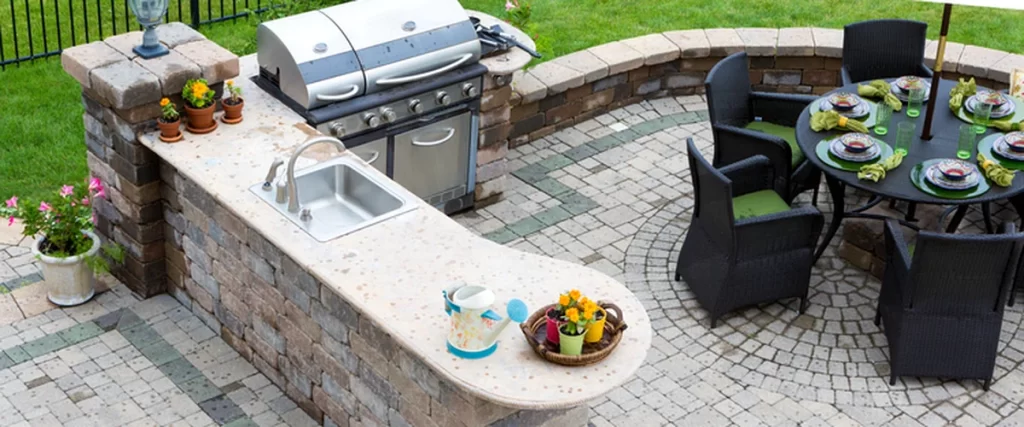
Outdoor kitchens expand the living area and encourage time spent outside. They make it easier to cook, eat, and relax under the open sky or within a sheltered space. Families can prepare delicious meals, enjoy fresh air, and gather in a place that feels both practical and inviting.
Every backyard is different, but most outdoor kitchen designs share a few key elements:
- Cooking zone: grill, smoker, or cooktop
- Prep and serving area: countertops, cabinets, or island
- Seating and dining spaces for guests
- Outdoor kitchen appliances such as refrigerators, sinks, or pizza ovens
How you protect these elements from weather conditions (sun, rain, and wind) determines whether a covered outdoor kitchen or an uncovered outdoor kitchen fits best.
Covered Outdoor Kitchens
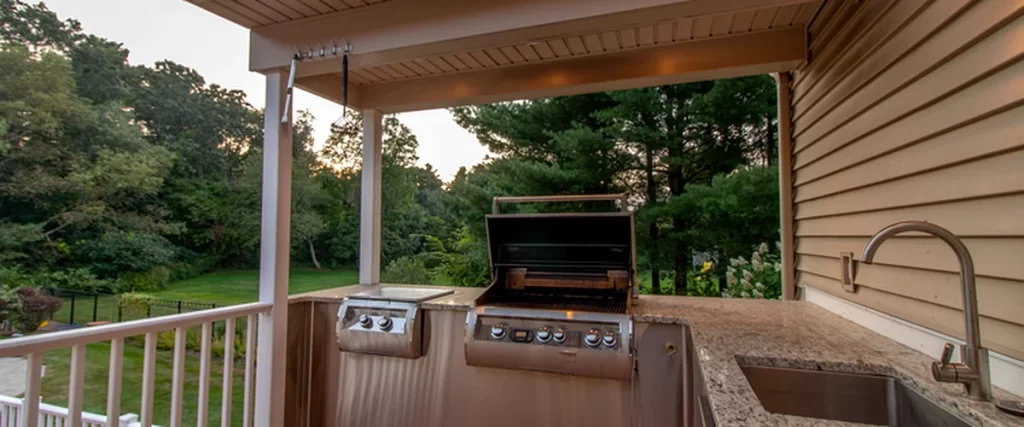
A covered outdoor kitchen offers shade, comfort, and protection from the elements. Covering your cooking and dining area can make it usable across more seasons, especially in climates that face inclement weather or extreme temperatures.
Benefits of Covered Outdoor Kitchens
1. Weather protection
A roof or canopy shields furniture, appliances, and countertops from rain, UV rays, and strong winds. Covers also keep surfaces cooler on hot summer days and prevent fading or warping.
2. Extended usability
With extra protection, your outdoor space becomes usable nearly year-round. You can cook even during light rain or when the sun exposure is intense. Some homeowners add heaters or fans to maintain comfort through changing seasons.
3. Reduced maintenance
A covered kitchen means fewer issues from bird droppings, fallen leaves, or dirt. Cabinets and furniture last longer and require less upkeep. It’s a way to keep appliances and materials durable over time.
4. More design options
Adding a roof opens possibilities for lighting, ceiling fans, or even a three-season room setup. You can design an enclosed patio feel without fully closing the space off.
5. Better comfort for guests
Shade brings relief during extreme heat. It also encourages people to linger, turning your kitchen into a central spot for gatherings, meals, and relaxation.
Drawbacks of Covered Kitchens
1. Higher cost
Building a structure for a roof, pergola, or awning increases the budget. It often requires more materials and labor, especially when tying into existing architecture.
2. Limited ventilation
Without proper design, smoke from the grill or open fire can accumulate. Vent hoods or ceiling fans are important to keep air flowing and avoid lingering odors.
3. Design constraints
Adding a cover can restrict sunlight or make the area feel enclosed. Homeowners who love open-air cooking may prefer a more natural, exposed setup.
Uncovered Outdoor Kitchens
An uncovered outdoor kitchen keeps the focus on openness. Cooking outdoors without a roof connects the kitchen directly to the great outdoors, letting sunlight and fresh air define the atmosphere.
Benefits of Uncovered Outdoor Kitchens
1. Open-air experience
Cooking under the sky brings a sense of freedom. There’s no roof to block the view or airflow. Many people enjoy feeling connected to nature while they cook and entertain guests.
2. Lower initial cost
An uncovered design is generally more budget-friendly. You can invest in high-quality outdoor kitchen appliances or materials instead of spending on roofing or structural additions.
3. Flexible design
Without a roof, the layout can stretch wider across the yard. You can position the grill, prep area, and seating however you like. It’s easier to create different zones across your outdoor living space.
4. Easier installation
Uncovered setups can often be built faster, especially when you already have an open patio or deck. There’s no need for extra permits or complex structural work.
Drawbacks of Uncovered Outdoor Kitchens
1. Exposure to the elements
Rain, hot sun, and strong winds can limit how often you use the space. Appliances and furniture need to remain durable against weather elements. Protective covers are important when not in use.
2. More maintenance
Because surfaces are open to various weather conditions, you may need to clean more often. Bird droppings, dust, and debris can collect on countertops or seating areas.
3. Shorter seasonal use
Without weather protection, outdoor cooking is less comfortable during extreme temperatures or inclement weather. Shade sails or retractable awnings can help, but they don’t provide full coverage.
4. Limited appliance longevity
Moisture, UV rays, and fluctuating temperatures affect appliances and cabinets. Even outdoor-rated materials wear faster when uncovered.
Choosing Between Covered and Uncovered
The choice between a covered and uncovered outdoor kitchen depends on climate, usage, and personal preference. Both have valid benefits, and combining features can deliver the best of both worlds.
Consider these factors before deciding:
- Climate: In areas with heavy rain or harsh weather, a cover adds real value. In drier regions, an uncovered kitchen can thrive with minimal maintenance.
- Frequency of use: If you enjoy cooking outdoors often, a roof or awning ensures comfort and extended usability. For occasional use, an open design may be enough.
- Space and layout: Covered kitchens often work best near the house or as part of a fully enclosed patio. Uncovered ones suit wide backyards or poolside areas.
- Budget: A simple roof or outdoor cover increases costs but protects appliances, potentially reducing long-term maintenance expenses.
- Aesthetic preferences: Covered kitchens feel cozy and structured, while uncovered designs create a casual, natural atmosphere.
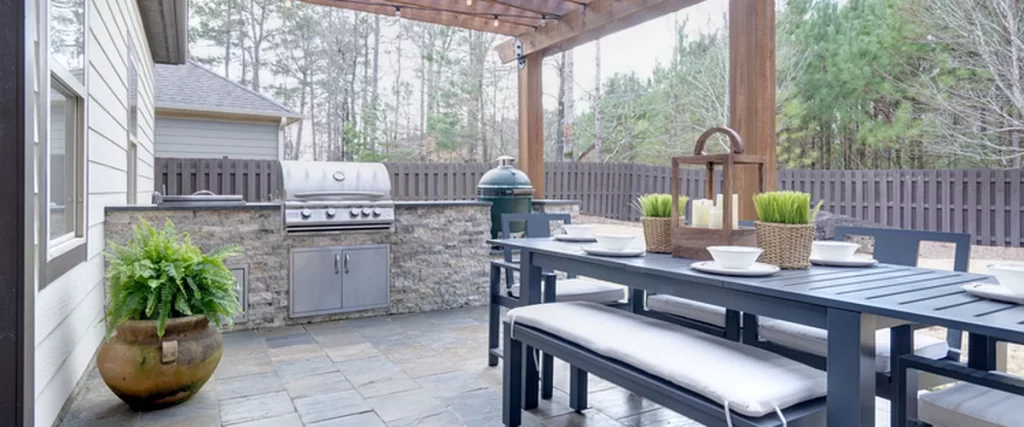
Some homeowners combine both concepts: a covered cooking zone for food preparation and an uncovered dining area to enjoy sunlight. Adding retractable awnings or pergolas gives flexibility for outdoor use through changing weather.
Materials and Maintenance
Regardless of the setup, materials make a difference. Outdoor countertops, cabinets, and furniture must withstand exposure to moisture, UV rays, and temperature swings.
- Use stainless steel or marine-grade materials for outdoor appliances.
- Choose stone, tile, or concrete for counters that resist stains and water damage.
- Seal porous materials regularly to handle weather conditions.
- Add protective covers when the kitchen is not in use to reduce wear.
For uncovered designs, minimal maintenance is possible if you choose surfaces that resist fading and corrosion. Covered kitchens require less cleaning but may need attention to ventilation and lighting.
Extending Comfort and Usability
The best outdoor kitchen design considers comfort, function, and flow. Small additions can enhance both covered and uncovered layouts:
- Lighting: task and ambient lighting extend evening use.
- Ceiling fans or heaters: regulate temperature for year-round comfort.
- Retractable screens or shades: block wind or sun exposure as needed.
- Water lines and electrical connections: simplify outdoor cooking space use.
When designed thoughtfully, your outdoor living area becomes a seamless extension of your home.
The Verdict: Covered vs. Uncovered
A covered outdoor kitchen gives protection, longer usability, and lower upkeep. It’s ideal for families who cook often and want to entertain guests regardless of weather.
An uncovered outdoor kitchen provides open-air charm and flexibility, perfect for those who enjoy spending time under the sun and prefer an inexpensive way to expand their backyard.
For many homeowners, blending the two options brings the best outcome—shade where it’s needed, sunlight where it’s enjoyed.
Final Thoughts
Building an outdoor kitchen involves planning for comfort, durability, and maintenance. Cover or no cover, your design should reflect how you live, cook, and gather with others.
If all these details feel overwhelming, you don’t have to manage them alone. Our team specializes in creating covered and uncovered outdoor kitchens that fit every home style and climate. We take care of every detail, from materials to weather protection, so you can simply enjoy your new outdoor living space.
Call us at (469) 583-6213 or message us here to start designing your outdoor kitchen today.