
Many pool owners look for ways to keep their pool clean and comfortable without watching energy bills climb higher each month. Energy-efficient pool systems support that goal by reducing wasted energy, lowering heating costs, and improving the overall performance of the pool equipment. When the right components work together, the pool becomes easier to care for and far cheaper to operate.
Energy-efficient pool systems are more than upgraded pumps or better pool covers. They help maintain water quality, reduce heat loss, and limit unnecessary energy use in daily pool operations. With the right combination of equipment and habits, you can enjoy a swimming pool that uses less energy and costs less to run through every swimming season.
Why Energy Efficiency Matters for Pools
Swimming pools use energy in several areas. The pool pump, the heating system, the lighting, and even water evaporation all influence energy consumption. Over time, even small improvements make a significant difference in operating costs. Many pool owners are surprised to learn how much energy is used simply to circulate pool water or maintain a comfortable temperature.
Improving energy efficiency helps with:
- Reducing monthly energy bills
- Lowering pool heating costs
- Cutting back on greenhouse gas emissions
- Extending the life of pool equipment
- Maintaining cleaner, more stable water chemistry
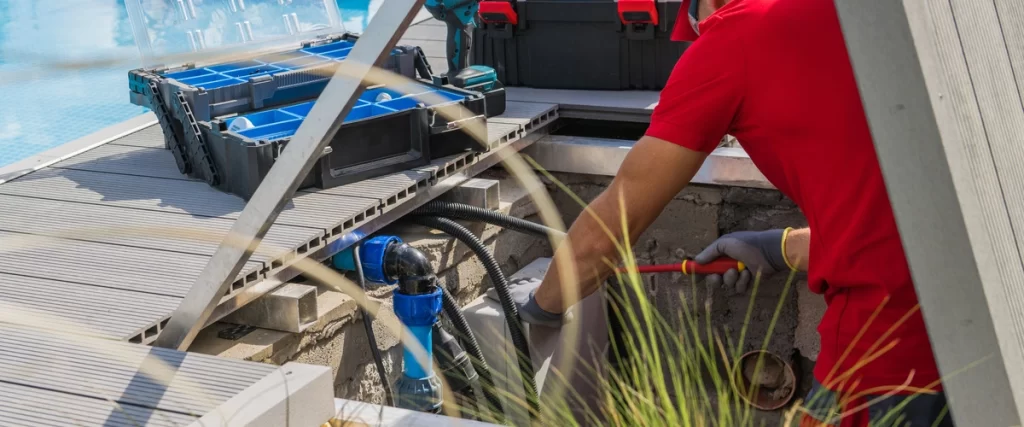
Efficient pool systems also help families enjoy their pool more often because the equipment performs smoothly and consistently.
Variable Speed Pumps: A Core Part of Efficient Pool Systems
One of the biggest changes in energy-efficient pool systems comes from the pump. A traditional single-speed pool pump uses the same speed all day, even when the pool does not need that much circulation. This leads to unnecessary energy use.
A variable-speed pool pump operates differently. It allows lower speeds during most of the day, which uses less energy and still maintains proper circulation.
Some advantages of variable speed pumps include:
- Permanent magnet motors that use less energy
- Flexible speed settings, adjusting to what the pool actually needs
- Longer equipment lifespan, due to reduced mechanical strain
- Improved water filtration, since slower speeds filter more effectively
- Lower noise levels, which makes pool ownership more comfortable
Many pool owners see a large drop in energy usage after switching to a variable speed pump. These pumps help significantly reduce energy consumption and support more consistent water quality.
Pool Covers That Prevent Heat Loss
Heat loss is one of the largest sources of wasted energy in swimming pools. Water evaporation cools the pool quickly, which leads to higher heating costs. A pool cover minimizes evaporation and helps maintain temperature.
Different pool covers offer different benefits:
- Solar covers, which help the pool retain heat from the sun
- Safety covers, which add protection while still reducing evaporation
- Automatic covers make it easier to cover the pool daily
- Traditional vinyl covers, which provide simple heat retention
A pool cover also reduces the amount of pool chemicals needed because less evaporation means fewer changes in water chemistry. Some families use covers even during warm months to conserve energy and reduce maintenance.
Energy-Efficient Pool Heaters
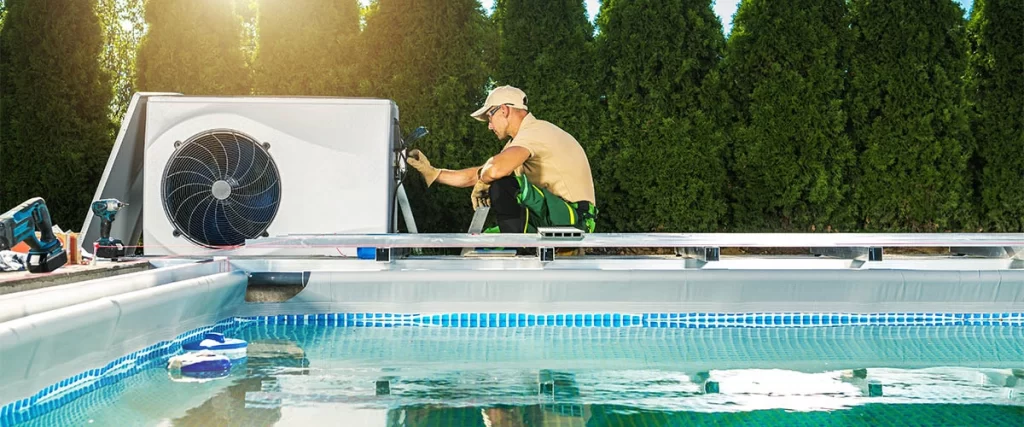
Heating costs are often one of the biggest expenses for pools. More energy-efficient pool heaters help reduce these costs while extending the swimming season.
Pool owners have several heating options:
- Electric heat pumps, which use the surrounding air to warm the pool water
- Solar heaters, which use the sun’s energy for heating
- Gas heaters, which provide quick heating for occasional use
Heat pumps are popular because they use less energy compared to traditional gas heaters. Solar heating offers long-term savings since sunlight is free, although it requires space for solar panels.
Choosing the right heater depends on how often you swim, how quickly you want the pool to warm, and the overall climate. Combining a heater with a cover helps reduce heating costs even more.
Energy-Efficient Pool Lighting
Lighting plays a major role in pool energy usage. Many older pools still use traditional incandescent bulbs, which generate heat and consume more energy. LED pool lights provide a major upgrade in both performance and energy savings.
LED lighting supports energy efficiency through:
- Lower energy consumption, using significantly less energy compared to incandescent bulbs
- Long lifespan, reducing replacement costs
- Bright, beautiful illumination, improving pool safety at night
- Customizable colors create a pleasant atmosphere
Upgrading to LED pool lights is often one of the easiest ways to improve energy efficiency.
Smart Pool Technology and Automation
Smart pool automation systems help reduce energy costs by allowing you to schedule pool functions during off-peak hours. Smart controllers can manage pumps, heaters, and lighting through an app or control panel.
These systems provide benefits such as:
- Optimizing pump run times, reducing wasted energy
- Improving heater efficiency, ensuring the pool warms only when needed
- Monitoring water chemistry, reducing the need for unnecessary filtering
- Coordinating pool features, such as water features or lights
Automation helps maintain water quality without running the system for long hours unnecessarily.
Reducing Energy Usage in Daily Pool Operations
Some changes come from small habits that prevent waste. Many pool owners find that simple adjustments have noticeable effects on energy use.
Helpful daily practices include:
- Running the pump at lower speeds for longer periods, improving filtration
- Cleaning the filter regularly supports better flow
- Using the pool cover at night lowers heating costs
- Checking water chemistry weekly, reducing the need for extended filtering
- Keeping the water level appropriate, preventing the pump from sucking in air
Small steps add up over time. Each habit helps the pool system run closer to maximum efficiency while reducing stress on the equipment.
Water Features and Energy Considerations
Water features, such as waterfalls or fountains, use energy through pumps. Running them constantly increases energy bills. Many homeowners choose to operate water features during specific times of day or during gatherings.
To conserve energy, you can:
- Limit water feature run time
- Install energy-efficient pumps, especially if water features run frequently
- Use timers for automated shutoff
- Match feature size to pool volume, preventing oversized equipment
Water features add beauty and movement, and they can still be enjoyed while saving energy.
Maintaining Water Chemistry to Support Efficiency
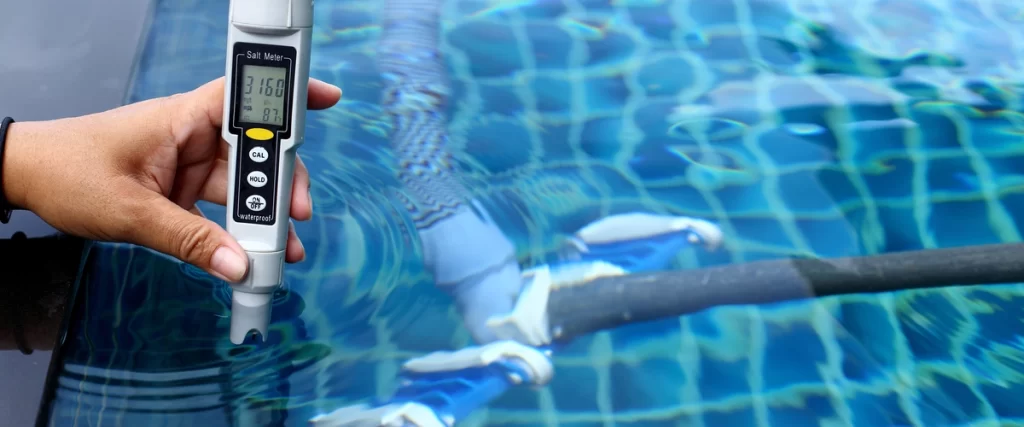
Proper water chemistry has a direct effect on energy consumption. When pool water gets cloudy, unbalanced, or contaminated, the pool system must work harder to clean it. Balanced water reduces strain on the pump, heater, and filtration system.
Focus on keeping:
- Chlorine levels are stable, reducing algae growth
- pH within range, supporting efficient equipment function
- Filters cleaned, helping the pump operate efficiently
- Algae under control, so the pump does not need long daily cycles
Healthy water requires less energy to maintain and helps avoid expensive repairs caused by poor chemistry.
Eco-Friendly Heating Alternatives
Eco-friendly heating helps reduce energy costs long-term. Many homeowners use a combination of methods for year-round comfort.
Some efficient options include:
- Solar heating, using the sun’s energy to warm the water
- Heat pumps, which use less energy than gas heaters
- Solar covers, which retain warmth naturally
- Automated temperature controls, preventing overheating
These methods work well together and significantly reduce energy consumption over time.
Creating a Complete Energy-Efficient Pool System
An efficient pool system includes several working pieces. When they support each other, energy use drops, and the pool becomes easier to manage.
A well-rounded energy-efficient pool system often includes:
- A variable-speed pool pump
- An efficient heater, such as a heat pump or solar heater
- LED pool lights
- A high-quality pool cover
- Smart automation technology
- A clean filter and balanced water chemistry
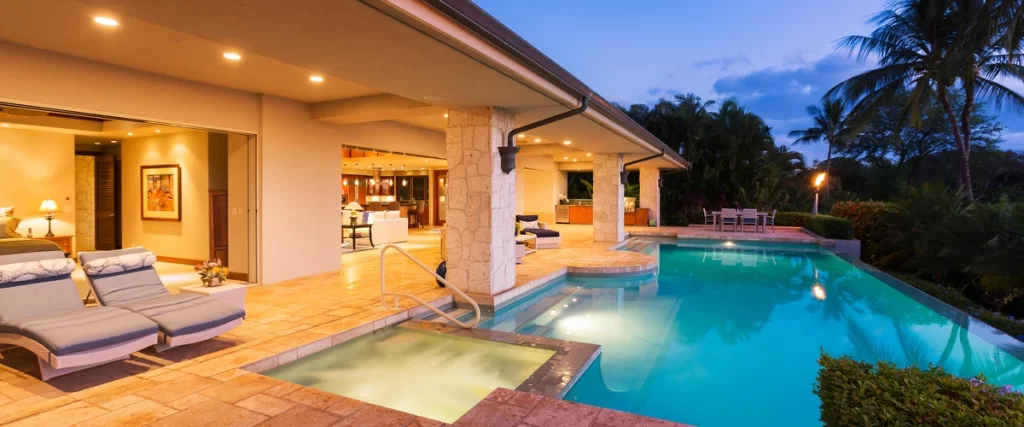
Each component helps reduce maintenance costs and supports long-term energy savings.
Want to Cut Your Pool’s Energy Costs More Easily?
Energy-efficient pool designs involve many moving parts, from pumps to lighting to water chemistry. Many homeowners eventually realize that getting everything aligned takes time and careful planning. If you want help creating an efficient pool setup without sorting through equipment options yourself, call us at (469) 583-6213 or message us here.
We can help design a pool system that saves energy, lowers costs, and keeps your outdoor space enjoyable all season long.