If you own a vinyl liner pool or you’re thinking about installing one, you’re probably wondering how much time you have before that liner needs replacing. It’s not exactly a cheap repair, so knowing what to expect helps you plan ahead. Most vinyl pool liners last between 8 and 12 years, but that timeframe isn’t set in stone. Some liners give out after just five years, while others keep going strong past 15.
The truth is, a pool liner’s longevity depends on how you treat it, where you live, and what kind of liner you chose from the start. Let’s break down what actually affects how long pool liners last.
What Determines a Vinyl Pool Liner’s Life?
Water chemistry makes or breaks your liner. Improper use of chemicals, especially when chlorine levels spike too high or the pH level swings out of balance, eats away at vinyl over time. That chemical damage shows up as fading, brittleness, or small tears that grow into big problems.
Maintaining proper water chemistry isn’t just about keeping the water clear. It protects your investment. When pool water sits too acidic or too alkaline for weeks, the vinyl starts breaking down at a molecular level.
Sun exposure matters more than most people think. UV rays from direct sunlight gradually fade the color and weaken the material. If your pool sits in full sun all day without any shade or cover, expect the liner to age faster.
Here’s something interesting: hot water accelerates vinyl degradation. If you keep your pool heated, or if you live somewhere with scorching summers, that warmth softens the vinyl and makes it more vulnerable to stretching, wrinkles, and tears.
Physical wear and tear adds up, too. Sharp objects, pets with claws, pool toys dragged across the bottom, even rough pool brushes, can cause small cracks or punctures. Once water gets behind the liner through these weak spots, you’re looking at bigger issues down the road.
How Liner Thickness Impacts Lifespan
| Liner Thickness | Typical Lifespan | Best For |
| 20 mil | 5-7 years | Above-ground pools, budget builds |
| 27-28 mil | 8-10 years | Standard residential inground pools |
| 30 mil | 10-12 years | Heavy use pools, active families |
| 32+ mil | 12-15+ years | High-end installations, long-term value |
A thicker liner costs more upfront, but it handles abuse better. The extra material resists punctures, stands up to UV damage longer, and holds its shape when the water level fluctuates. For an in-ground pool that gets daily use, spending a bit more on a 30 or 32 mil liner usually pays off.
Thinner liners work fine for above-ground pool installations where the structure provides extra support, or if you’re planning to replace the liner more frequently anyway.
Warning Signs Your Liner Needs Replacing
You don’t always have to wait for a catastrophic failure. Watch for these signs:
- Fading that won’t stop: Some color loss is normal over time, but if your liner looks washed out and dull even after cleaning, the vinyl’s breaking down
- Wrinkles that won’t smooth: A few creases after draining and refilling happen sometimes, but permanent wrinkles mean the liner’s lost its elasticity
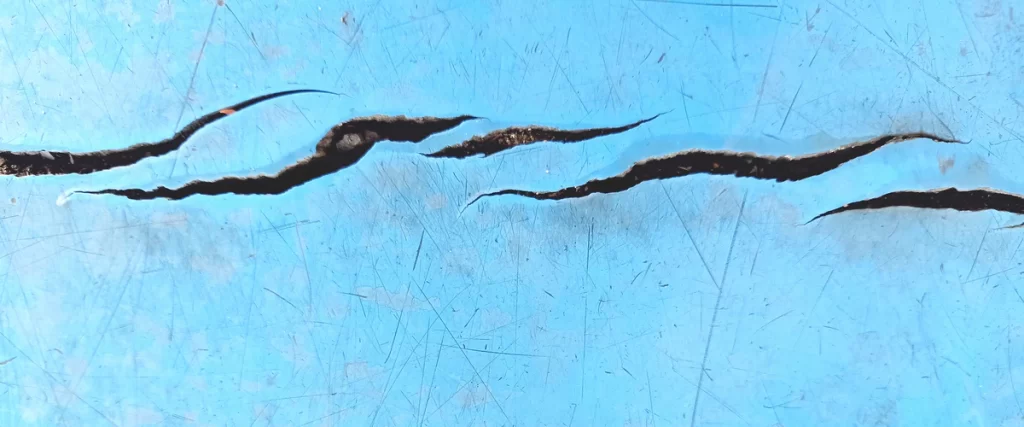
- Visible cracks or tears: Any crack you can see will grow. Small tears become big leaks
- Water line staining: Dark rings or rough patches at the water line often signal chemical damage
- Constant leaks: If you’re adding water more than twice a week, something’s wrong
- Slipping liner bead: When the liner pulls away from the pool walls at the top edge, it’s time
The U.S. Consumer Product Safety Commission recommends regular pool inspections to catch safety hazards early, and a failing liner definitely qualifies. A compromised liner can hide structural problems with the pool walls or create slip hazards around the edges.
Can You Extend Your Liner’s Life?
Absolutely. Some pool owners get 15 years out of a liner that should’ve lasted 10. Here’s how they do it:
Balance your pool water religiously. Test pH level and chlorine levels at least twice a week during swim season. Keep pH between 7.2 and 7.8, and chlorine between 1 and 3 ppm.
Cover your pool when you’re not using it. A good pool cover blocks UV radiation, keeps debris out, reduces chemical use, and prevents algae growth. Even a simple solar cover helps.
Mind the water level. Letting the water drop too low puts stress on the liner. Overfilling pushes against the liner bead. Keep it consistent.
Vacuum and brush gently. Use soft brushes designed for vinyl pools, not the aggressive ones meant for concrete or fiberglass. Take your time.
Drain carefully. If you need to drain your ground pool for maintenance, do it slowly and never leave it empty for long. Vinyl liners need water pressure to maintain their shape.
Avoid sharp objects. No glass around the pool. Trim your dog’s nails. Don’t drag metal furniture across the liner. It sounds obvious, but these are the most common causes of preventable damage.
How Different Pool Types Affect Liner Lifespan
Above-ground pools tend to see shorter liner lifespans, usually 6 to 10 years. The pool walls flex more, the sun hits the liner more directly, and temperature swings affect the vinyl faster. But they’re also cheaper to replace, so it balances out.
In-ground pools with properly maintained liners routinely hit 10 to 12 years. The earth provides insulation, the structure offers better support, and most inground owners invest in higher-quality liners from the start.
Vinyl-lined pools of any type outlast their liners, which is the whole point. When liner replacement becomes necessary, the pool shell underneath should still be in good condition. That’s why vinyl pools remain popular pool options despite the eventual replacement cost.
If you’re curious about what goes into building a quality pool that protects your liner investment, our blog about factors to consider before building a pool covers the planning process in depth.
What About Other Pool Types?
People often ask how vinyl pools compare to concrete or fiberglass when it comes to maintenance and lifespan. Concrete pools need resurfacing every 10 to 15 years, which costs significantly more than vinyl liner replacement. Fiberglass pools avoid both issues but limit your customization options and cost more upfront.
Most vinyl pool liners win on flexibility. You can change your pool’s look completely when you install a new liner, choosing different patterns, colors, and textures. Try doing that with concrete or fiberglass.
For homeowners working with smaller budgets or tighter spaces, our guide to backyard pool ideas on a budget explores vinyl and other affordable swimming pool options.
The Real Cost of Ignoring Liner Problems
Putting off liner replacement rarely saves money. A clear sign of failure is when small tears turn into massive rips overnight. When that happens, you’re not just replacing the liner anymore. You’re dealing with:
- Eroded pool walls from water getting behind the liner
- Damaged pool equipment from running without proper water levels
- Potentially unsafe swimming conditions
- Much higher emergency replacement costs
A brand new liner installed on a planned schedule costs less than an emergency repair. Plus, you control the timing instead of scrambling when the pool becomes unusable mid-summer.
Frequently Asked Questions
How much does vinyl liner replacement cost?
Most homeowners pay between $2,500 and $5,000 for a typical inground pool liner replacement, including installation. Above-ground pool liners run $500 to $1,500. Thicker liners, custom patterns, and larger pools increase the price.
Can I install a new liner myself?
Technically yes, but most pool owners hire professionals. Liner installation requires precise measurements, proper pool preparation, and specialized tools. A poorly installed liner develops wrinkles, leaks, and fails prematurely. The labor cost is worth the peace of mind.
Does winterizing my pool extend liner life?
In colder climates, proper winterization prevents freeze damage to your vinyl swimming pool liner. Follow the manufacturer’s recommendations for water level, chemical balance, and cover use during off-season months.
Should I choose a darker or lighter liner color?
Darker liners hide stains and algae growth better but show fading more noticeably over time. Lighter liners reflect heat better in hot climates but require more frequent cleaning to look good. Neither significantly affects the typical pool liner lifespan.
What’s the best time of year to replace a liner?
Spring before the swim season starts gives you a fresh liner for the whole summer. Fall works too if you can wait to use the pool. Avoid mid-summer replacements when contractors are busiest and prices peak.
Let the Professionals Handle It
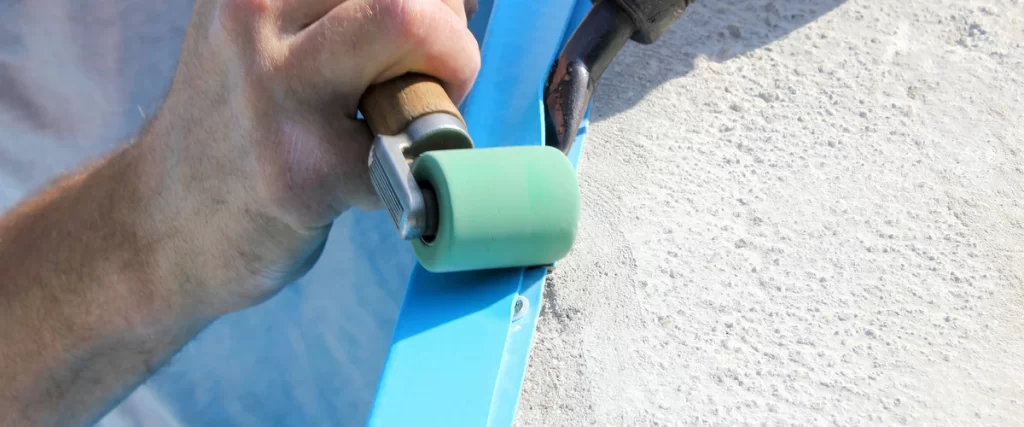
Reading about proper water chemistry, UV damage prevention, and liner maintenance is one thing. Actually staying on top of it all while juggling work, family, and everything else? That’s different.
Maybe you’d rather spend your weekends swimming instead of testing pH levels and worrying about whether your liner will make it another year. Or maybe you’re looking at your aging vinyl liner pool and realizing replacement time is coming, but the thought of coordinating contractors and making technical decisions sounds exhausting.
That’s exactly what we do. At McKinley Construction Management, we’ve done more pool building projects around Plano and North Texas than we can count. We know which liners hold up best in our climate, how to install them so they last, and what it takes to keep pools in good condition year after year. Whether you need a brand new liner, want to upgrade to a thicker one, or you’re thinking about building a whole new pool that won’t give you headaches, we handle the details so you don’t have to.
Ready to talk about your pool? Give us a call at (469) 583-6213 or message us here. We’ll take a look, answer your questions, and help you figure out the best path forward. Because life’s too short to stress about pool liners. Let us worry about it while you enjoy the water.