Texas summers are no joke. When the air temperature climbs past 95 degrees, and the sun beats down on your outdoor space, even the most beautiful patio can become unbearable. But here’s the thing: you shouldn’t have to abandon your patio during the summer months just because of extreme heat.
There are plenty of effective ways to cool your patio and make it comfortable all summer long. Some solutions are quick fixes you can set up this weekend, while others offer permanent cooling that’ll protect your outdoor area for years.
Understanding How Heat Affects Your Patio
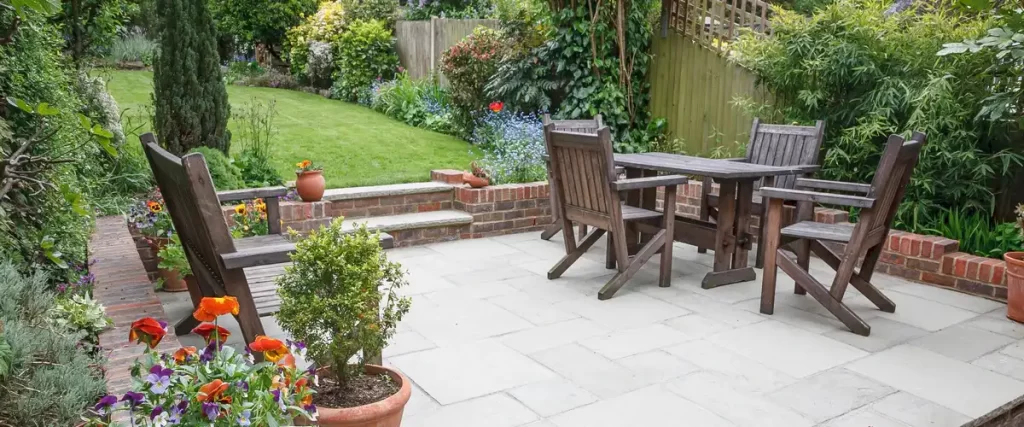
Before diving into solutions, it helps to understand why patios get so hot. Direct sunlight heats up paving stones, furniture, and any surface it touches. Dark pavers can reach temperatures over 140°F on hot days. Your patio essentially becomes a heat trap, absorbing and radiating warmth long after the sun goes down.
Hot air rises, but when there’s no circulation, it just sits there making everyone miserable. That’s why shade and airflow are your two best friends when trying to keep your patio cool in summer.
Smart Shade Solutions
Retractable Awnings
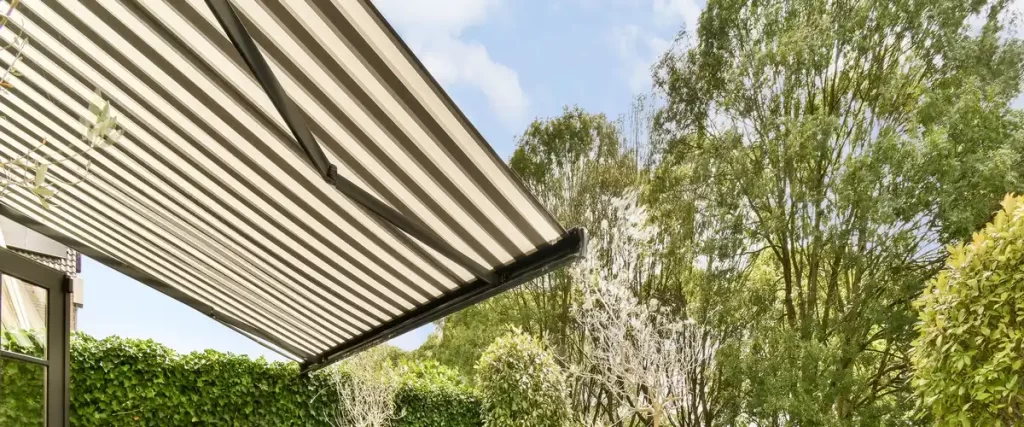
Retractable awnings give you control. Pull them out when direct sun hits your dining areas, retract them when you want full sunlight. They block sunlight effectively and can lower temperatures underneath by 15-20 degrees.
Professional installation runs $500-$2,500, depending on size, but you get a permanent solution that adds value to your home. The Department of Energy notes that awnings can save up to $140 annually on energy bills by blocking heat from entering adjacent indoor spaces, too.
Shade Sails
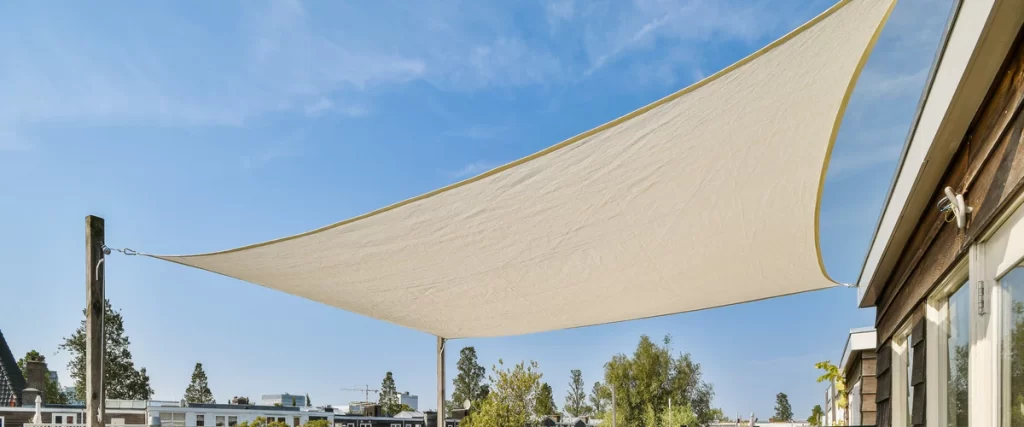
These triangular or rectangular fabric structures combine shade with aesthetic appeal. They’re more affordable than awnings and create a modern look. You can angle them to block direct sun during peak afternoon hours.
Most shade sails are UV-resistant and designed to handle hot weather. Installation takes a day if you’re handy, or hire a contractor for a few hundred dollars. They work beautifully over seating areas or pools.
Pergolas with Climbing Plants
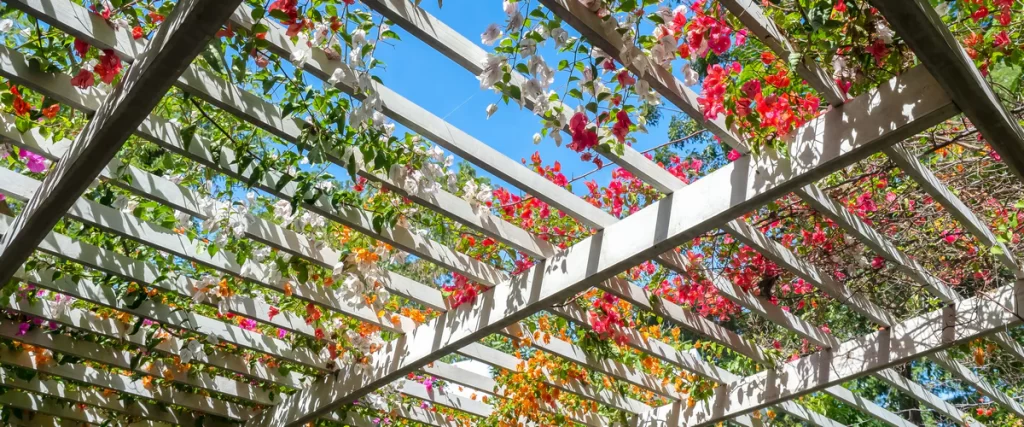
A pergola alone provides partial shade, but add climbing plants, and you create natural cooling. Wisteria, jasmine, or grapevines grow across the top, filtering sunlight while allowing air to circulate.
The plants transpire moisture, which naturally cools the surrounding air through evaporation. Tall plants around the perimeter add privacy while blocking some direct sun and creating cooler microclimates.
Wondering how different outdoor structures compare? Our article about the differences between porches and patios explores various outdoor designs and their cooling benefits.
Active Cooling Systems
| Cooling Method | Best For | Cost Range | Maintenance |
| Ceiling Fans | Covered patios | $150-$800 | Low |
| Misting Systems | Dry climates | $300-$3,000 | Moderate |
| Portable Evaporative Coolers | Open spaces | $100-$500 | Moderate |
| Outdoor Fans | Any patio | $50-$400 | Low |
Ceiling Fans and Outdoor Fans
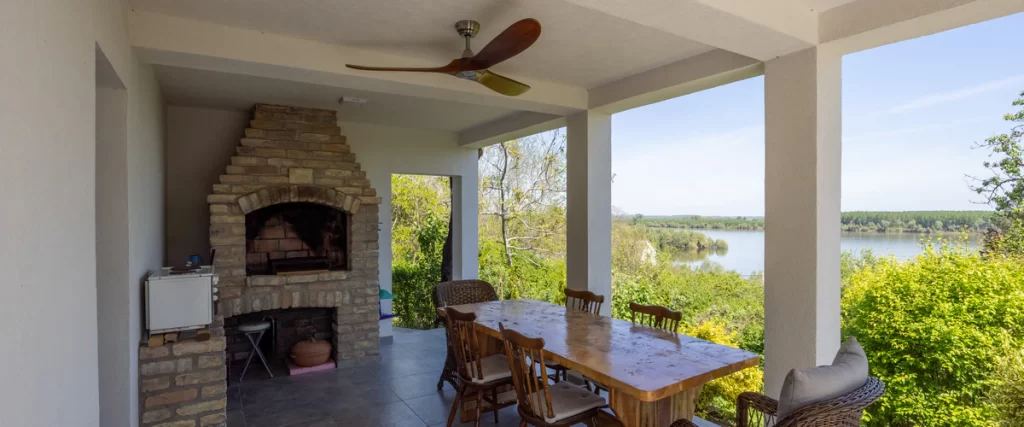
Ceiling fans installed on covered patios move air constantly, making it feel 5-10 degrees cooler. Look for fans rated for outdoor use with sealed motors that can handle humidity.
Key considerations:
- Size matters: Match blade span to your space (52-60 inches for most patios)
- Height: Mount at least 7 feet above the floor
- Speed settings: Variable speeds let you adjust based on conditions
Outdoor fans (pedestal or wall-mounted) work great for uncovered areas. They’re portable, affordable, and you can angle them exactly where guests sit.
Misting Systems and Misting Fans
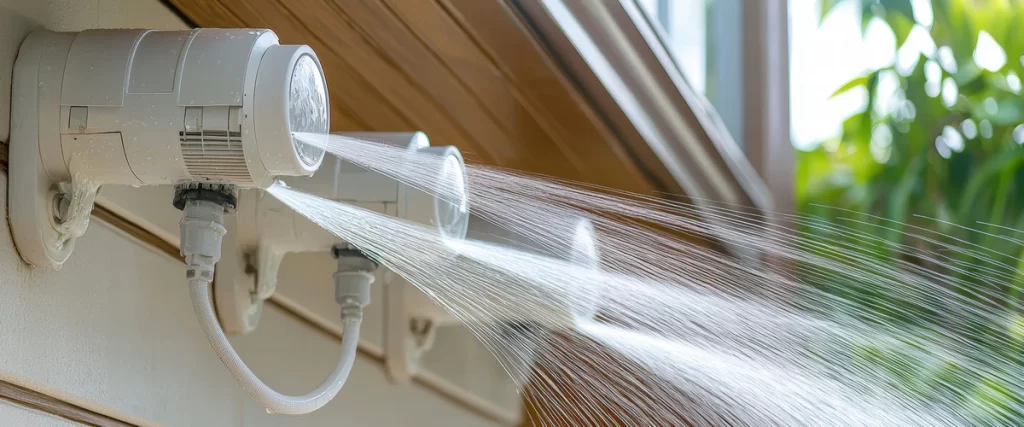
Misting systems excel in dry climates where the mist evaporates quickly. Fine water droplets spray into the air, and as they evaporate, they pull heat from the surrounding air. This evaporative cooling can drop temperatures by 20-30 degrees in low-humidity conditions.
A basic DIY misting system costs $200-$500. Professional installation with timers and multiple zones runs $1,000-$3,000. Misting fans combine a fan with a misting nozzle for portable evaporative cooling.
One downside: misting systems don’t work well in humid climates. When the humidity is already high, the mist doesn’t evaporate, and you just get wet.
Portable Evaporative Coolers (Swamp Coolers)
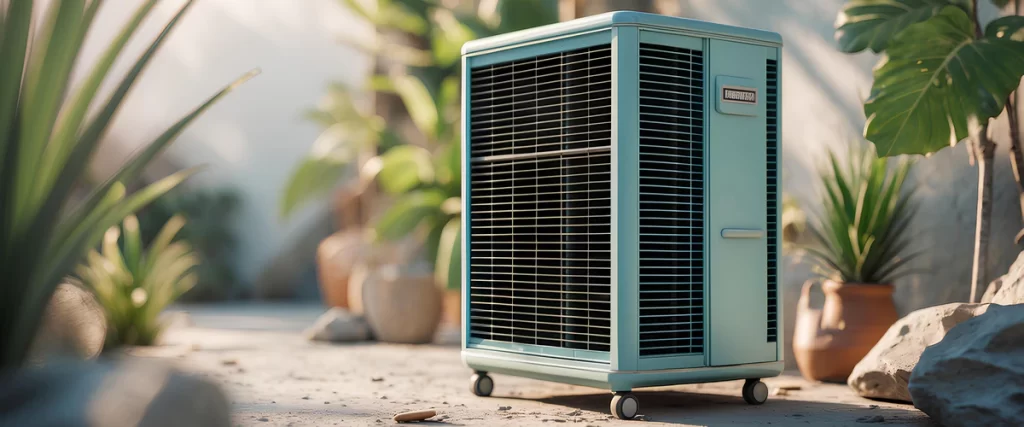
These units pull hot air through water-saturated pads, cooling it through evaporation before blowing it out. They’re energy efficient and work phenomenally in dry climates like West Texas or Arizona.
Portable evaporative coolers cost $150-$500 and require no installation. Just fill the water tank, plug them in, and roll them where needed. They consume far less electricity than traditional AC units.
Material Choices That Stay Cooler
If you’re planning a new patio or renovation, material selection makes a huge difference. Light colored furniture reflects sunlight instead of absorbing it. Light-colored pavers, especially porcelain or travertine, stay significantly cooler underfoot than dark concrete or brick.
Our detailed guide on paver patio materials explains which options perform best in summer heat and which stay comfortable for bare feet.
Smart Paver Choices
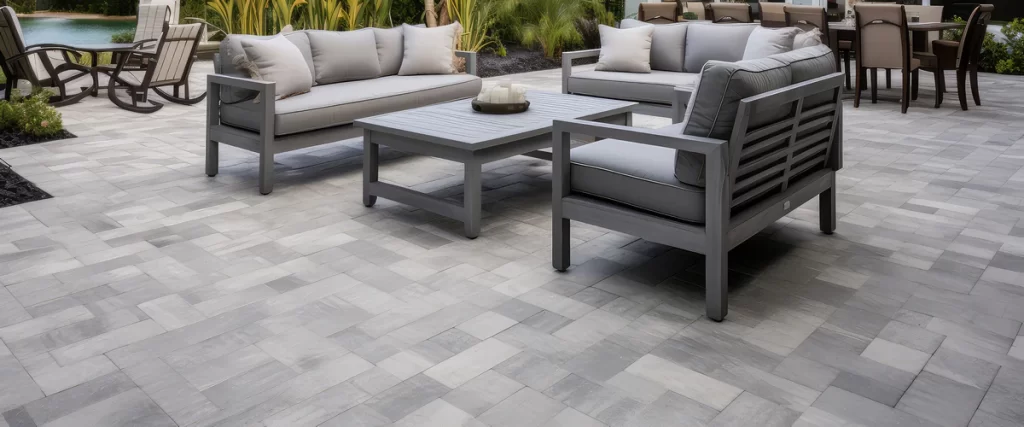
Travertine and porcelain pavers maintain lower surface temperatures even in direct sun. They’re naturally lighter in color and have lower heat absorption. Concrete pavers in dark colors can become too hot to touch, while light-toned natural stone stays walkable.
If you already have dark pavers, add outdoor rugs in high-traffic areas. They provide a cooler surface and add comfort.
Additional Cooling Strategies
Water Features
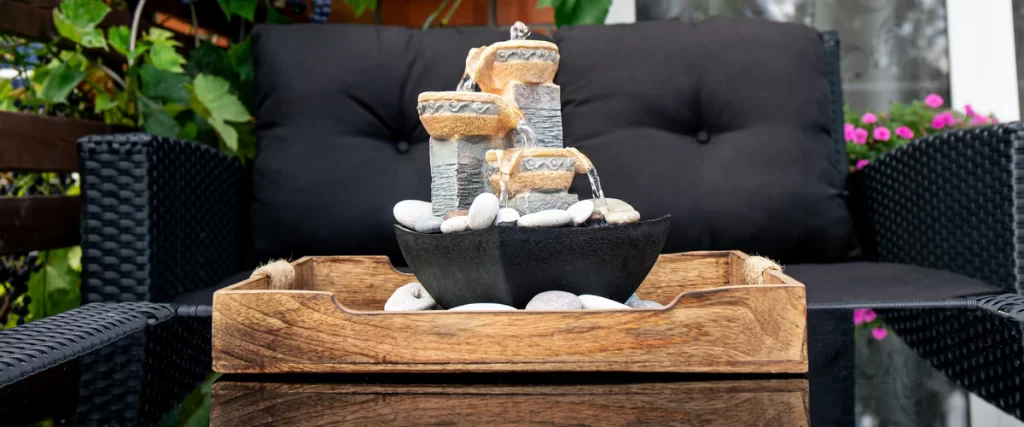
Fountains, small ponds, or even a simple bubbling basin add moisture to the air while creating soothing sounds. Water features cool the immediate area through evaporation and make the space feel more refreshing.
They range from $200 for a small tabletop fountain to several thousand for a custom installation. The psychological effect of moving water shouldn’t be underestimated.
Outdoor Curtains
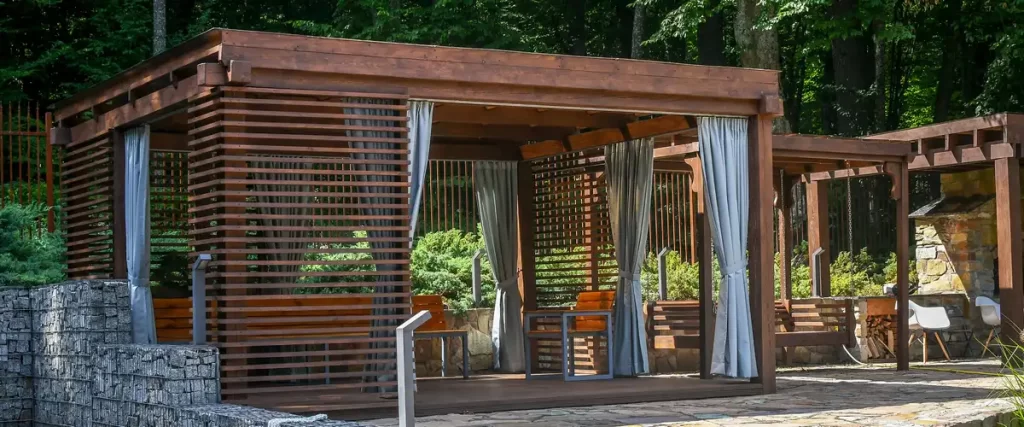
Hang outdoor curtains along the edges of your patio to block afternoon sun. They’re removable, washable, and create a resort-like atmosphere. Position them on the west or south sides where direct sunlight is strongest.
Look for fabric rated for outdoor use that resists fading and mildew. You can pull them closed during the hottest part of the day and open them for evening breezes.
Strategic Plant Placement
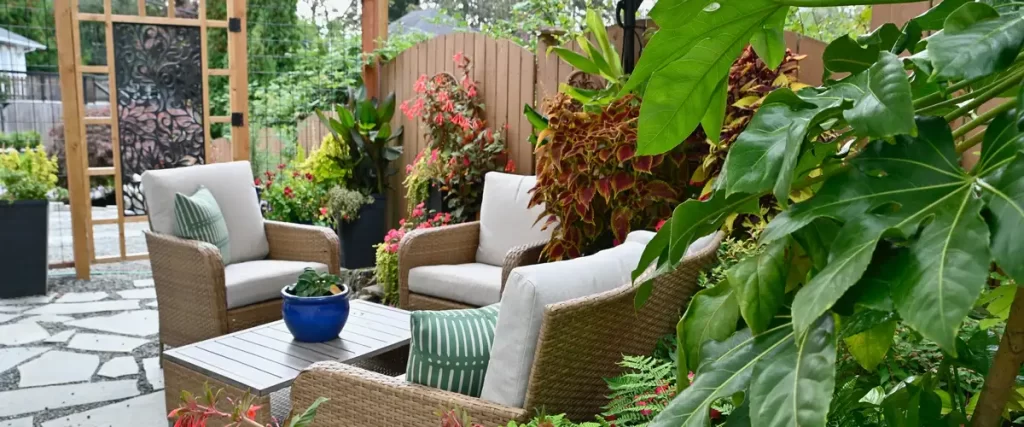
Tall plants and shrubs planted on the sunny side of your patio create natural shade. Container gardens work if you don’t have ground space. Trees eventually provide the best shade, though they take years to mature.
Plants also transpire water, cooling the air around them. Combine shade trees with lower plantings for maximum effect.
FAQ: Common Patio Cooling Questions
How much does it cost to keep a patio cool in summer?
Budget anywhere from $50 for basic fans to $5,000+ for comprehensive cooling with permanent installations. Most homeowners find a combination approach (shade + fans + strategic elements) works best for $500-$2,000.
What’s the most effective way to cool a patio?
Combining shade (awnings or sails) with air circulation (ceiling fans or outdoor fans) gives the best results. Add misting in dry climates or evaporative coolers for maximum cooling power.
Do misting systems work in humid climates?
Not effectively. Misting systems and evaporative cooling rely on low humidity so the mist evaporates quickly. In humid areas, stick with shade and fans.
Can I cool my patio without electricity?
Absolutely. Shade structures, light-colored surfaces, strategic plants, outdoor curtains, and water features all cool without requiring power. They won’t drop temperatures as much as fans or misters, but they help significantly.
How can I make my patio cooler without major construction?
Start with portable solutions: outdoor fans, shade sails, potted plants, outdoor rugs, and temporary curtains. These can all be installed in a weekend without permanent changes.
Are there eco-friendly patio cooling options?
Yes. Shade trees, climbing plants, light-colored materials, and passive cooling through design are all eco-friendly. Solar-powered fans and evaporative coolers use less energy than traditional AC.
Let Us Handle the Hard Work
Reading about all these patio cooling solutions might feel overwhelming. Between choosing materials, planning installations, and coordinating contractors, creating a comfortable outdoor space takes serious time and expertise.
Maybe you’d rather spend your summer enjoying a perfectly cooled patio instead of building one. That’s where we come in.
At MCM Outdoor Living, we design and build patios that stay comfortable even during Texas’s brutal summer heat. We’ll help you choose the right combination of shade structures, cooling features, and paver materials for your specific space and budget. Our team handles everything from permits to professional installation, so you can skip the stress and get straight to relaxing outdoors.
Want to explore your options for a cooler, more comfortable outdoor space? Check out our custom paver patio services to see how we create outdoor areas that look amazing and feel even better all season long.
Ready to beat the heat? Call us at (469) 583-6213 or message us here and let’s talk about transforming your patio into the cool retreat you deserve.