
Water pooling on your patio after a rainstorm signals trouble. That standing water can damage your patio surface, undermine your home’s foundation, and turn your outdoor space into a mosquito breeding ground. Texas gets intense rainfall when storms roll through, and poor drainage transforms a beautiful backyard into a maintenance headache.
The good news is that effective patio drainage solutions can protect your investment and keep your yard usable year-round. Let’s look at the options that actually work.
Why Patio Drainage Matters
Your patio needs to shed water quickly. When excess water sits on surfaces or soaks into surrounding soil near your foundation, problems multiply fast. Soil erosion starts eating away at your landscape. Slippery surfaces become safety hazards. The patio edges can settle unevenly, creating more low-lying areas where water accumulates.
Clay soil, common throughout Texas, makes drainage issues worse because it doesn’t absorb water readily. The compacted soil under many patios can’t handle the water flow during heavy rainfall. That leaves you with pooling water and wet areas that take days to dry.
The stakes get higher when water flows toward your home instead of away from it. Foundation problems cost thousands to repair, and most start with simple drainage problems that go unaddressed.
Surface Grading: The Foundation of Good Drainage
Before you install any drainage systems, the ground itself needs proper sloping. Your patio should pitch away from your home at roughly a quarter inch per foot. This gentle slope lets gravity do the work, directing excess water away from your foundation and toward designated drainage areas.
The surrounding landscape matters too. You want water to flow naturally toward places where it can drain properly rather than collecting against retaining walls or in corners of your yard. Sometimes fixing drainage issues starts with reshaping how your yard slopes.
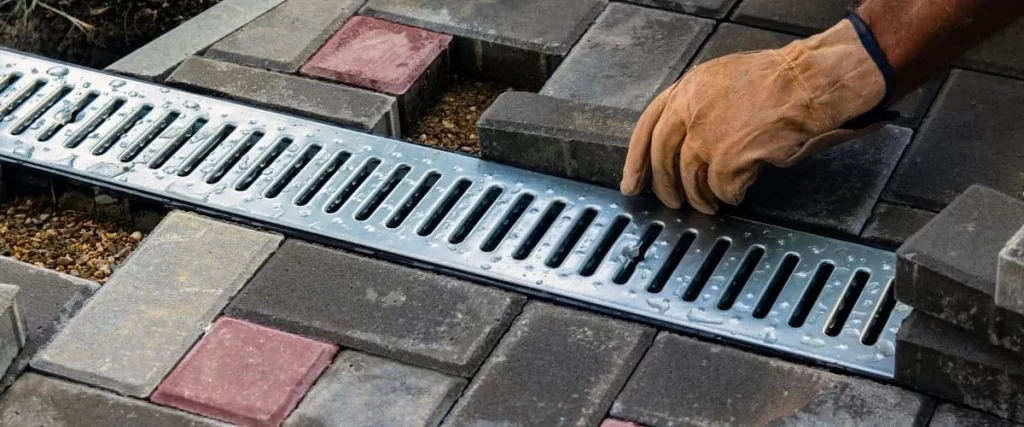
A laser level helps ensure accurate grading during installation. Small errors in slope can cause big problems later when water finds the path of least resistance.
French Drains: The Underground Workhorse
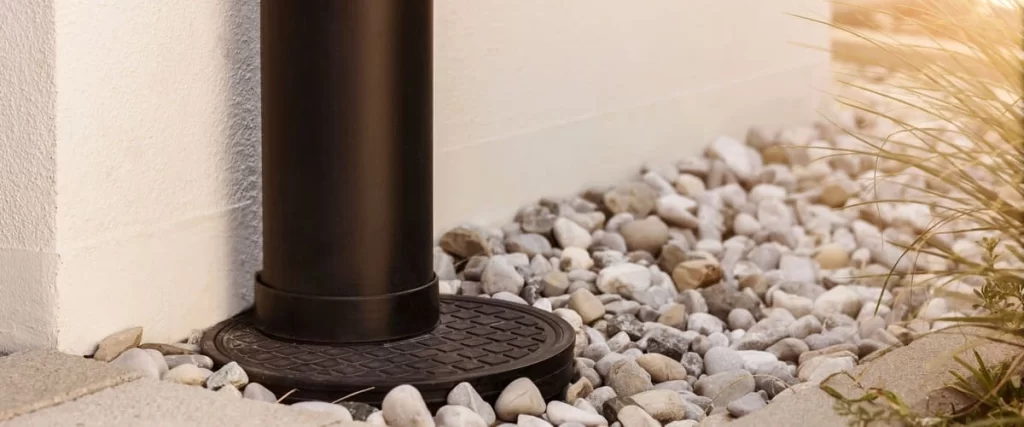
French drain systems handle large volumes of water by collecting it underground and channeling it away. The system involves digging a trench, usually along your patio edges or in areas where water tends to collect. A perforated pipe buried in the trench sits surrounded by gravel, which filters water while allowing it to flow freely into the pipe.
The pipe then redirects surface water to a better location, maybe a storm drain, a rain garden, or just a spot where water can safely soak in without causing problems. French drains work quietly out of sight, managing water flow without changing how your yard looks.
They excel at handling roof runoff from gutters and downspouts when you direct those downspouts into the system. The Environmental Protection Agency provides guidelines on managing stormwater runoff that can help you understand best practices for your specific situation.
Installing a French drain requires some planning. The trench needs proper depth and slope. The gravel must be the right size to filter well while maintaining good water flow. The perforated pipe needs positioning with the holes facing down, contrary to what seems logical.
Channel Drains: Linear Water Collection
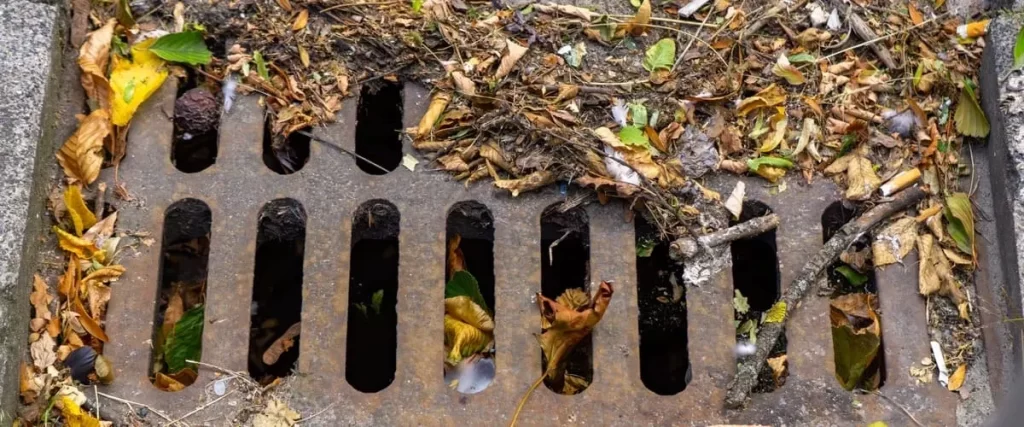
Channel drains, sometimes called trench drains, sit right at the surface and collect water as it flows across your patio. These long, narrow drains are typically installed at the patio’s lowest point or along the edge where water naturally wants to go.
The drain’s grated top catches leaves and debris while letting water flow into the channel below. From there, a drainage pipe carries water away to wherever you’ve planned for it to go. Channel drains handle high water flow rates effectively, making them perfect for areas that see concentrated runoff.
They work beautifully for paver patios because you can integrate them right into the design. The grate matches your aesthetic, and the system performs reliably for years with minimal maintenance. You just need to clear the grate occasionally to prevent clogging.
Catch Basins: Strategic Collection Points
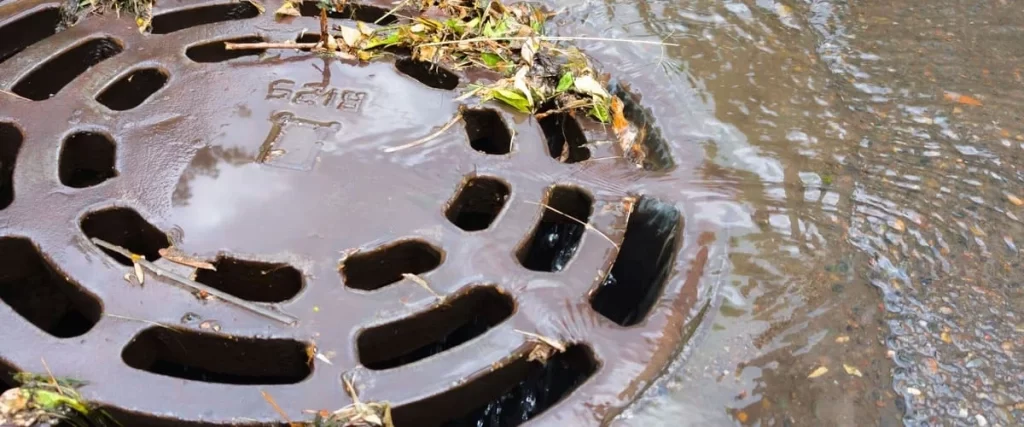
Catch basins act like collection hubs for your yard drainage system. These underground boxes, topped with a grate, sit in low areas where water naturally accumulates. Water flows in through the grate, and the basin holds it temporarily before releasing it through a drainage pipe connected to the basin’s side.
The depth of a catch basin gives it an advantage over simple surface drains. It can hold more water and handles sudden surges better. Many catch basins include a sump at the bottom that collects sediment, keeping your drainage pipes cleaner over time.
You might use several catch basins across a large yard, all connected by underground pipes that eventually lead water to a safe discharge point. They pair well with French drain systems for comprehensive water management.
Permeable Pavers: Built-In Drainage
Permeable pavers let water soak through the patio surface itself rather than running off. The pavers have wider joints filled with gravel or special materials that facilitate water flow downward. Some permeable pavers include voids right in their design.
Below the pavers, you install a base of aggregate stone that stores water temporarily and lets it slowly infiltrate the soil below. This approach reduces surface runoff dramatically, which helps with soil erosion and keeps water from overwhelming other drainage systems.
The system needs proper installation to work correctly. The base depth and materials must meet specifications. The surrounding soil needs adequate permeability, or you’ll just move your pooling problem underground. They work best in yards without clay soil issues.
Rain Gardens: Nature’s Drainage Solution
A rain garden is a shallow depression planted with native vegetation that can handle both wet and dry conditions. You direct water from your patio, roof, or other surfaces into this garden area, where it slowly soaks in rather than running off your property.
Rain gardens reduce soil erosion, filter pollutants from surface runoff, and create habitat for local wildlife. They turn a drainage necessity into an attractive landscape feature. Plants with deep roots help break up compacted soil over time, improving absorption.
Location matters significantly. Rain gardens should sit at least ten feet from your home’s foundation. The garden needs enough depth to hold water temporarily but shouldn’t become a permanent pond. Most rain gardens drain completely within 24 hours after a storm.
Dry Creek Beds: Functional Beauty
A dry creek bed uses rocks and gravel to create a naturalistic drainage channel that stays dry most of the time. When water flows during storms, the creek bed directs it safely through your yard to a discharge point. Between rains, it looks like an intentional landscape feature.
The bed can follow natural contours or create a deliberate path for managing water flow. Larger stones line the edges, while smaller gravel fills the center where water will run. You can add plants along the banks that tolerate occasional flooding.
This solution works well when you need to move water across your yard but don’t want obvious pipes or channels cutting through your landscape design. It solves drainage issues while adding visual interest.
Gutters, Downspouts, and Extensions
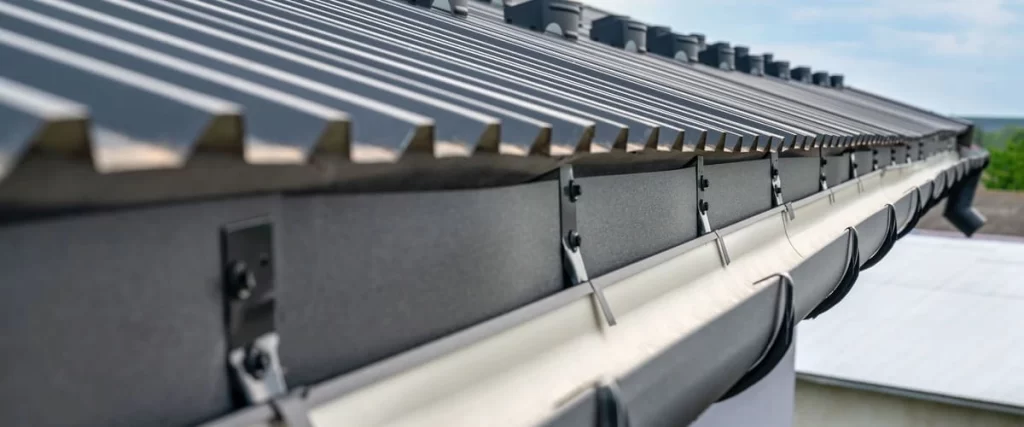
Sometimes patio drainage problems start on your roof. Clogged gutters overflow and dump water right next to your foundation. Downspouts that empty too close to your patio create the wet areas you’re trying to avoid.
Clean gutters regularly so they can handle roof runoff properly. Extend your downspouts at least five feet from your home, directing water toward your drainage solution rather than onto your patio surface. Some downspouts can connect directly to underground drainage pipes for a cleaner look.
Splash blocks under downspouts help disperse water and prevent erosion. For a more permanent fix, consider burying downspout extensions that feed into your French drain or catch basin system.
When to Consider a Sump Pump
Severe drainage issues in low-lying areas sometimes require mechanical help. A sump pump installed in a catch basin or dedicated pit can actively remove water that accumulates faster than passive systems can handle. The pump pushes water up and out to a discharge location.
Most homeowners don’t need this level of intervention, but it becomes valuable when your yard sits significantly lower than surrounding properties or when groundwater levels run high. The pump needs electricity and occasional maintenance, so consider it a last resort for stubborn drainage problems.
Choosing Your Drainage Strategy
Your yard probably needs a combination of these drainage solutions rather than just one. A French drain might handle water along your patio edges, while a catch basin collects runoff from a low corner. Proper grading makes all of them work better.
Consider how much water you’re dealing with during typical storms. Think about where that water currently goes and where you want it to go instead. Clay soil requires more aggressive solutions than sandy soil. Large patio areas generate more runoff than small ones.
Let Us Design Your Drainage System
Reading about perforated pipes and shallow trenches is one thing. Actually diagnosing your specific drainage issues, designing an effective system, and installing it correctly requires expertise and equipment you probably don’t have sitting in your garage.
Maybe you’d rather spend your weekend enjoying your patio instead of digging trenches and calculating slopes. That makes perfect sense to us. MCM Outdoor Living has solved countless patio drainage problems across Texas, and we know how to keep your outdoor space dry and functional.
We assess your property, identify exactly why water isn’t draining properly, and implement the right drainage system for your situation.
Ready to solve your drainage issues for good? Call us at (469) 583-6213 or message us here for a consultation. We’ll show you exactly what your yard needs.
If you’re also thinking about upgrading your patio while addressing drainage, check out our paver patio services to see how we can build you something beautiful that actually stays dry.