

Trusted by 500+ Families Across Dallas–Fort Worth
4.8/5.0 Star-Rating on

(125+ Reviews)
Paver Patio Cost Calculator
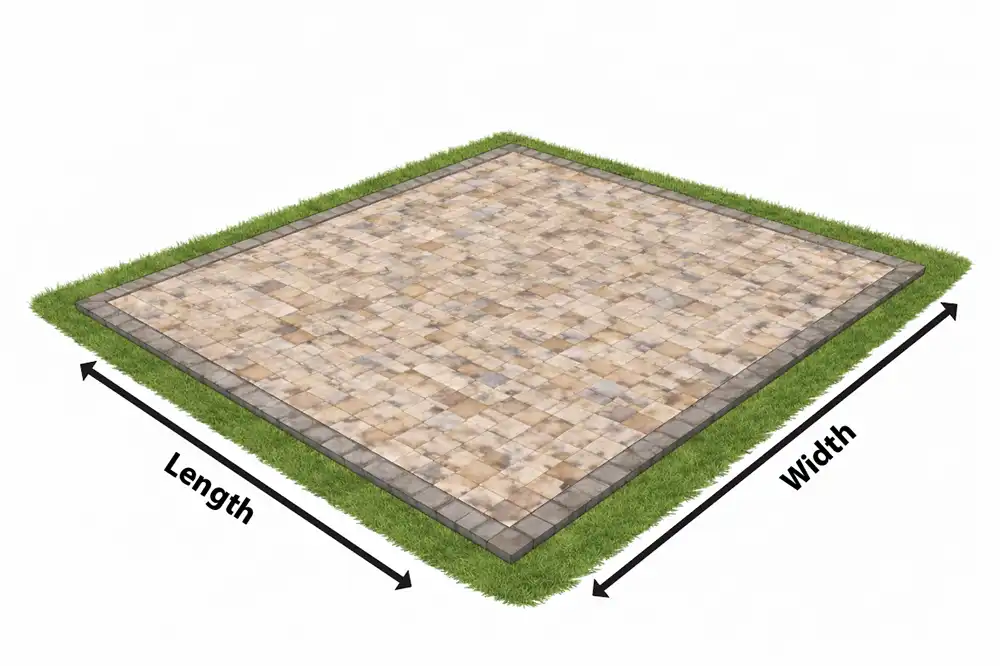
Get a free online estimate for your paver patio project in North Texas based on size, materials, site conditions, and common design options.
Paver Patio Cost Calculator
Use this to explore a starting cost range based on size, materials, and common project variables.
Add-ons (optional)
*Displayed costs are estimates only. Final pricing depends on site conditions, materials, layout, and added features. Contact us for a more accurate quote.
**Estimates include a standard base project fee that covers permitting, design, project deployment, and credit card processing. When a project includes multiple features like patio, pergola, deck, etc., this fee is only applied once.
Paver Patio Project Examples and Budgets
These examples show how material choices, site scope, and optional upgrades can influence overall paver patio project budgets. Your final cost will vary based on patio size, materials, site conditions, and any add-ons you include.
| Project Example | Key Features Included | Approximate Budget |
|---|---|---|
| Concrete Paver Patio with Outdoor Kitchen ~604 sq ft | Teco Bloc Blu paver upgrade, wedding-cake steps, custom outdoor kitchen, wood-burning fireplace, patio cover | $125,000 Kitchen + fireplace: ~$25,000 |
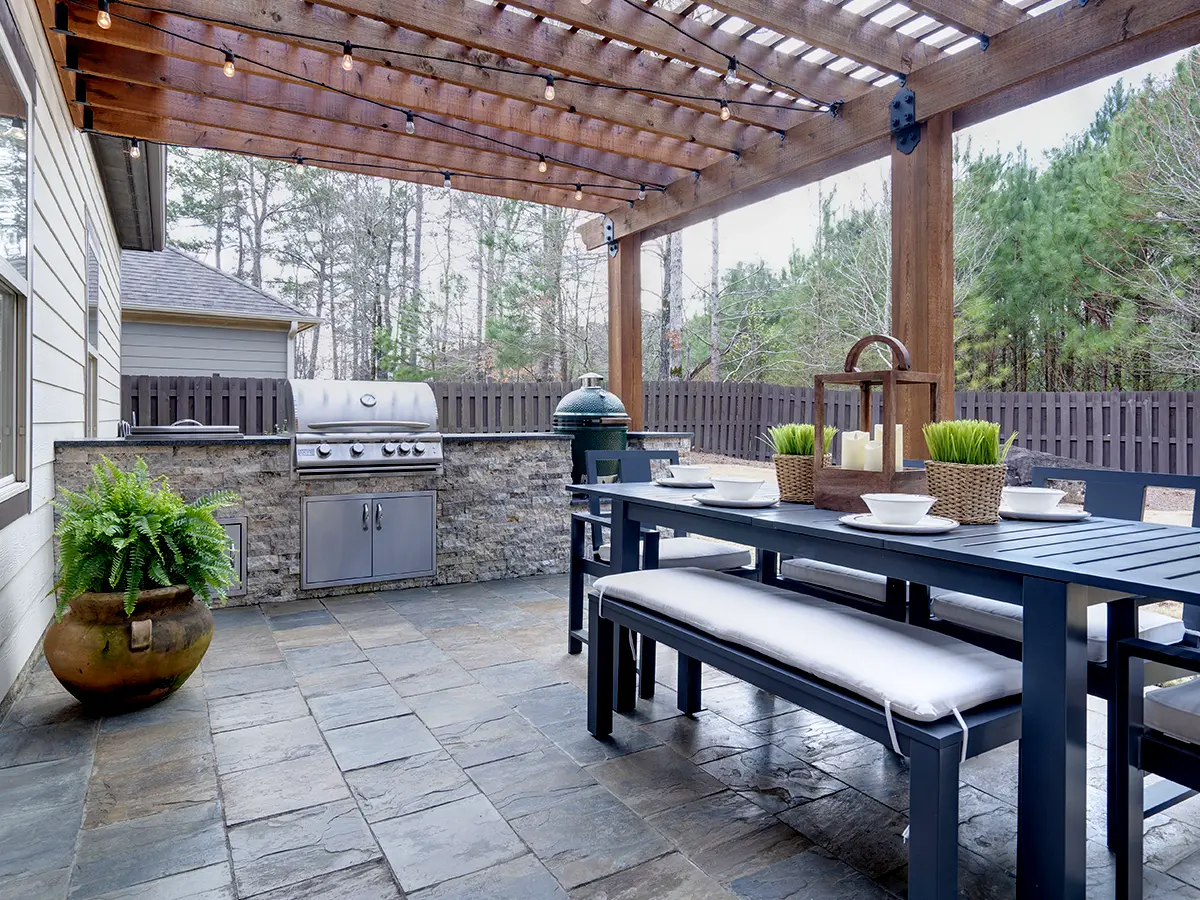
| Travertine Patio with Pergola and Heaters ~400 sq ft | Travertine paver upgrade, Max Protect sealant, custom outdoor kitchen, infrared heaters, pergola | $114,000 Kitchen + travertine upgrade: ~$22,000 |
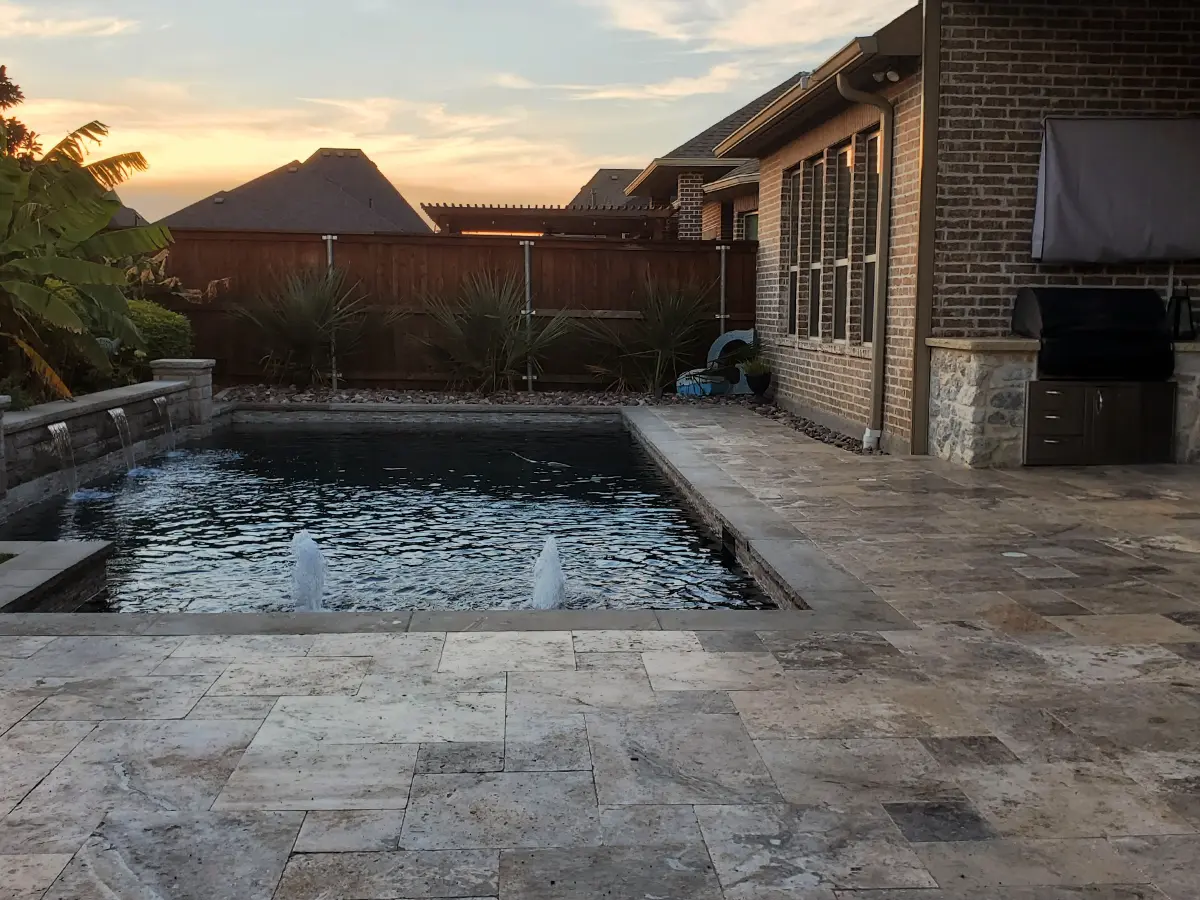
| Travertine Pool Patio with Demolition ~500 sq ft | Demolition of existing patio, Silvermist travertine upgrade, Max Protect sealant | $23,000 Travertine upgrade + sealant: ~$7,500 |
Concrete Pavers vs Stone Pavers
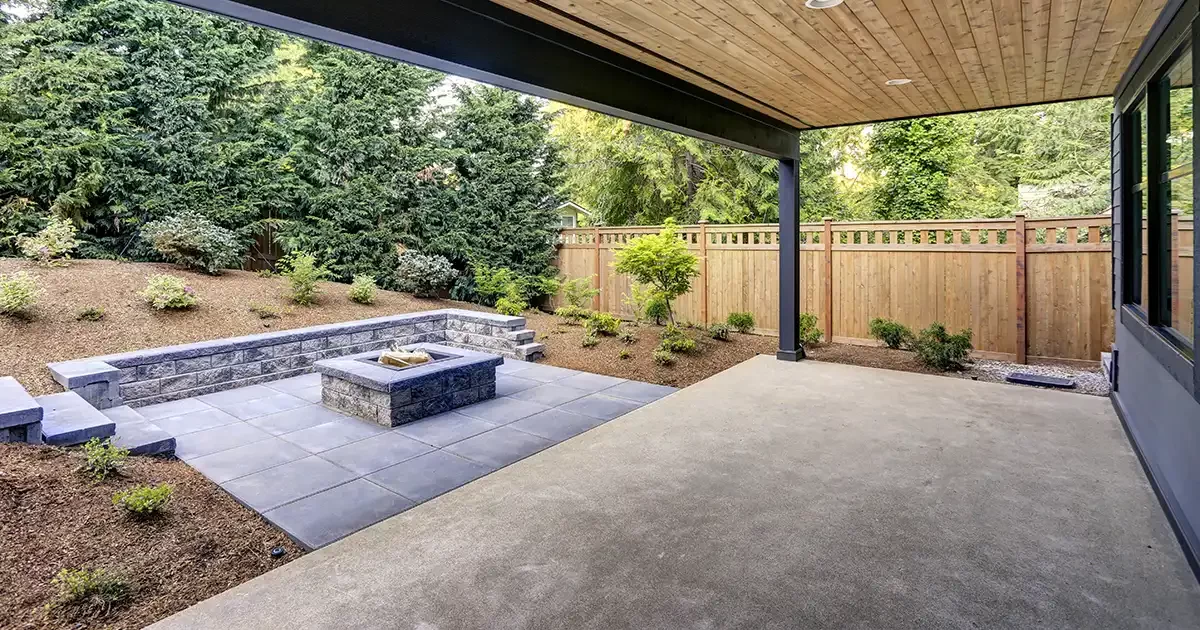
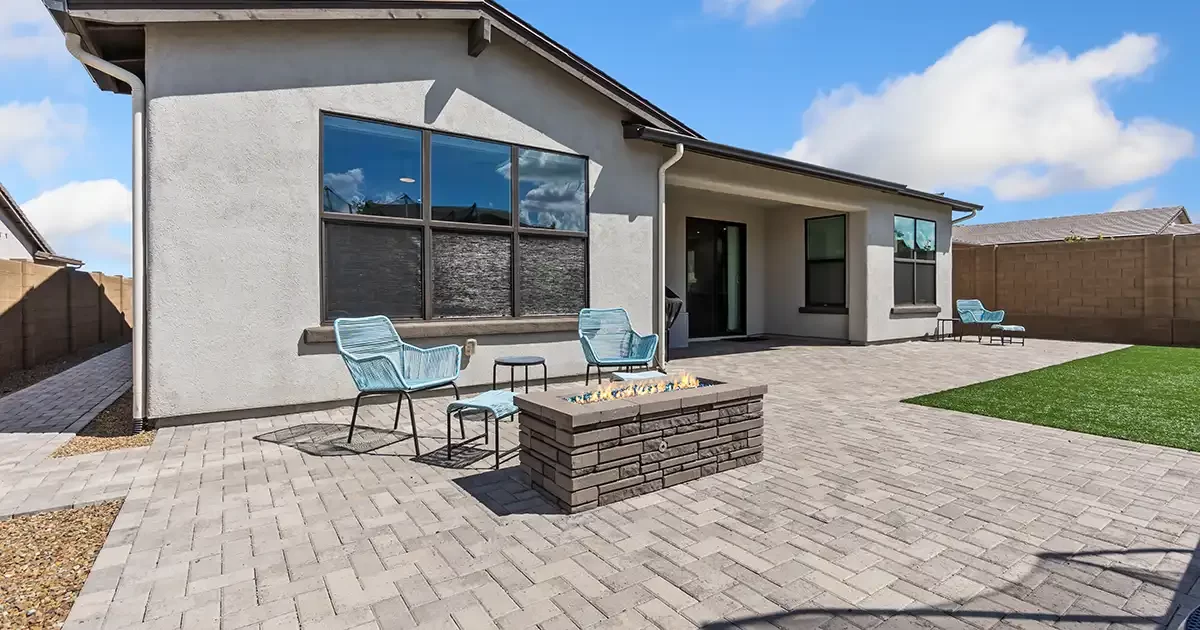
Both materials create durable, attractive patios. The main differences come down to appearance, flexibility, and overall investment.
- Concrete pavers are versatile and budget-friendly. They come in a wide range of colors, shapes, and textures, making it easy to match different home styles. They’re consistent in size, easier to install, and typically cost less upfront while still offering long-term durability.
- Stone pavers offer a more natural, high-end look. Materials like travertine or granite age gracefully and add character over time. Stone patios usually require a higher investment and more careful installation, but many homeowners choose them for their timeless appearance and premium feel.
What Goes Into the Cost
Patio pricing starts with size and material choice. Larger patios require more base preparation, materials, and labor, while premium materials increase overall cost compared to standard options.
Site conditions and layout also matter. Yards that need grading, tighter access, or more detailed cuts take additional time to build. Optional elements like steps, seating walls, drainage solutions, or connecting walkways add scope and influence the final range.
This calculator is designed to reflect those common variables and provide a realistic starting estimate. Final pricing depends on site-specific details and design decisions.
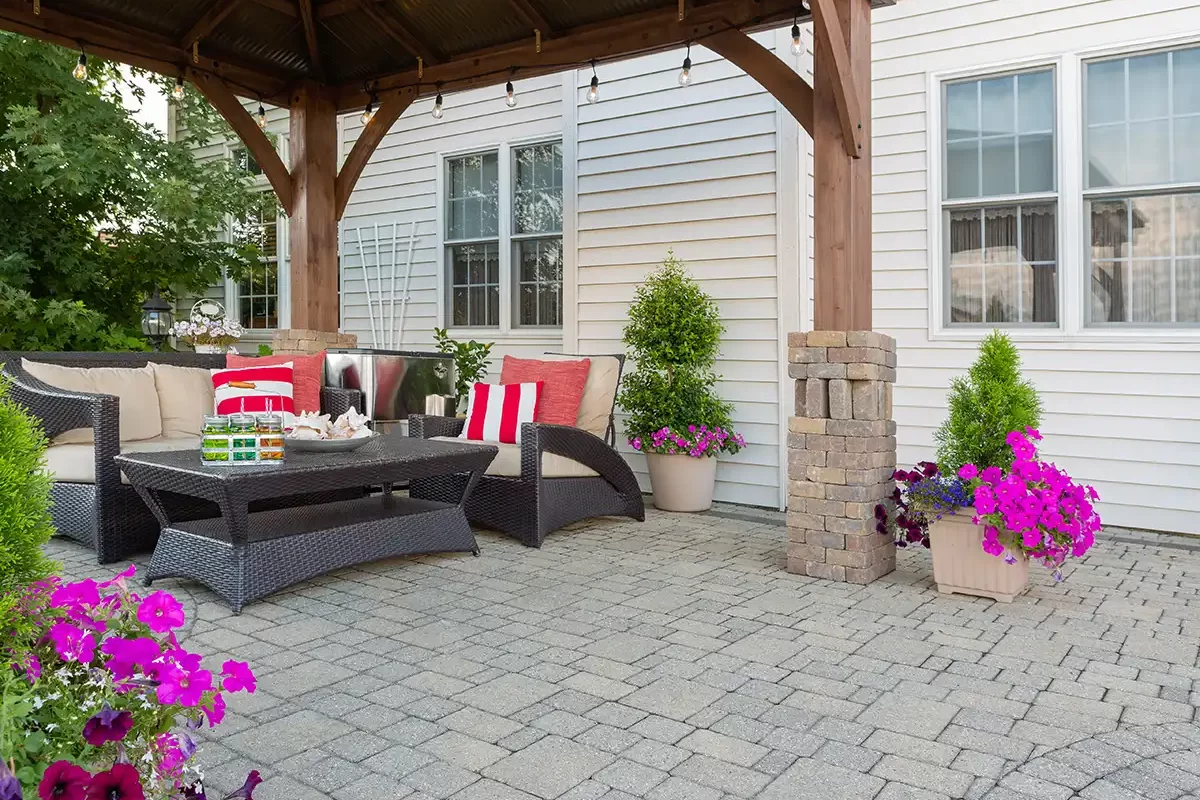
Designed With Care, Built to Last
A well-built paver patio starts below the surface. Proper base preparation, thoughtful layout, and attention to detail are what keep pavers level, joints tight, and surfaces comfortable to use over time.
Frequently Asked Questions
Paver patio installation costs are often discussed per sq ft, but the total price depends on size, material, and site conditions.
Smaller patios like a 12×12 usually fall on the lower end because they require less preparation and labor per square foot, while larger patios such as a 20×20 involve more materials, cutting, and installation time overall.
Site conditions affect how much preparation is required before installation. Sloped yards, limited access, or existing surfaces can increase labor and equipment needs, which raises overall cost. That’s why site conditions are an important factor in estimating patio pricing.
In many cases, yes. Larger patios can have a slightly lower cost per sq ft because fixed costs like mobilization and setup are spread across more area. However, total cost still increases with size, and factors like layout complexity, site conditions, and add-ons can offset those efficiencies.
Optional elements such as steps, seating walls, drainage solutions, or connecting walkways add scope to a project and increase cost. These features are included as optional selections in the calculator so you can see how they affect the estimated range.
Stone pavers typically cost more than concrete pavers. Natural stone materials require more careful installation and usually carry a higher material cost, while concrete pavers offer more budget flexibility and consistent sizing. Both options are durable when properly installed.
A paver patio typically costs more upfront than poured concrete, but it offers better long-term value for many homeowners. Individual pavers are easier to repair, resist cracking, and maintain their appearance over time.
Many people choose pavers for durability, flexibility, and overall curb appeal rather than just the initial price.
This calculator provides a realistic starting estimate based on common patio sizes, material selections, and site conditions. Final pricing can vary depending on grading, drainage requirements, design complexity, and customization. For a finalized quote, we verify measurements and project details during a consultation.
We build custom paver patios throughout North Texas, including Frisco, Plano, McKinney, Allen, Prosper, and surrounding DFW communities. If you’re located nearby and unsure about coverage, contact us to confirm availability in your area.