Choosing the right patio material shapes the way your outdoor space feels, functions, and ages over time. The debate between a paver patio vs stamped concrete comes up in almost every landscaping project because both options create attractive outdoor areas and bring strong curb appeal. The challenge is that the best material depends on your goals, your climate, and how much maintenance you want to handle in the long run.
Below is a warm, practical look at what each option offers so your decision-making process feels easier and more grounded in what matters most to you.
How Stamped Concrete Works in a Backyard Setting
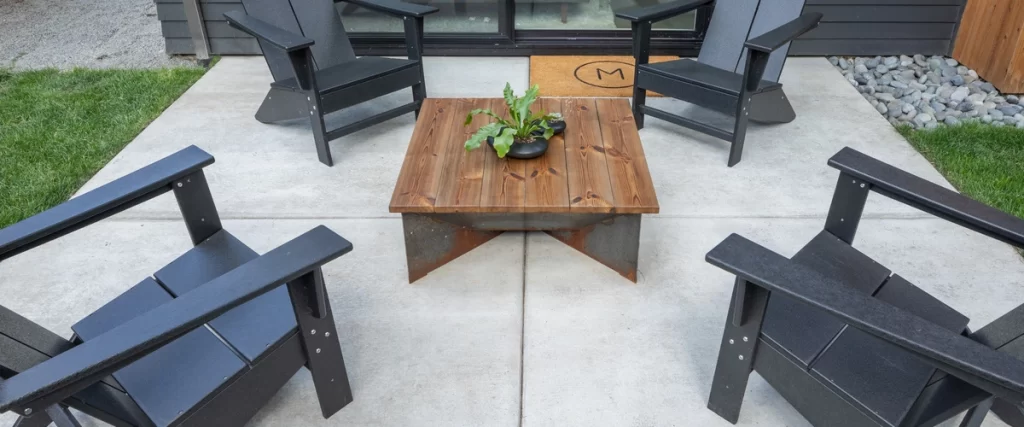
A stamped concrete patio is created from poured concrete that is shaped, colored, and textured to look like paving stones, natural stone, brick, or even wood. Many homeowners appreciate the clean look it produces. Once the concrete slab cures, the surface is sealed, and the finished product can be beautiful.
Stamped concrete often gives a lower upfront cost. It also creates a continuous surface, which some people prefer for a minimalist landscape design. If you understand its strengths, it becomes easier to picture how it will perform in your backyard.
Benefits of Stamped Concrete
Stamped concrete has a lot going for it, especially when the goal is visual impact.
• Wide design flexibility. Patterns and colors can mimic natural stone or brick, and the customization options are extensive.
• Lower upfront cost. Stamped concrete is cheaper comparisons are common, since materials and labor involved typically cost less than concrete pavers or natural stone pavers.
• Smooth, unified look. A single concrete slab creates a clean outdoor space with no gaps between individual pieces.
Some homeowners also like how easy it is to sweep or wash a stamped surface. It creates a uniform patio that complements many home styles.
Things to Think About With Stamped Concrete
Stamped concrete brings beauty, yet it comes with some maintenance requirements.
Temperature changes matter. Freeze-thaw cycles can stress a concrete patio, and harsh weather can cause cracks. If cracks appear, the entire area may need to be repaired or re-poured, because patching often stands out.
Regular sealing is important too. Without sealing, color can fade. A surface with worn sealer may lose slip resistance, especially when wet.
The material is incredibly durable, but repairs are less flexible because the patio is one continuous surface. That is something many homeowners weigh carefully.
How a Paver Patio Performs Over Time
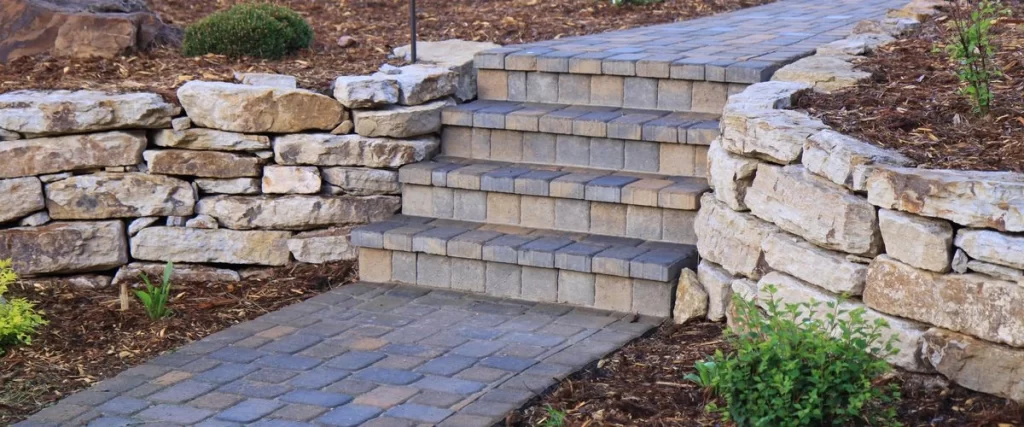
A paver patio is built from individual pavers. These can be concrete pavers, brick pavers, or natural stone pavers. Paver installations have grown popular because pavers provide excellent long-term value and a rich look that often resembles real stone.
If you understand how pavers behave, the differences between stamped concrete vs pavers become clear.
Why Homeowners Choose Pavers
Pavers offer beauty and resilience. They also match a wide range of landscape design styles.
• Strong durability. Pavers retain their color and structure well, even under heavy use.
• Better slip resistance. Textured paving stones make outdoor areas feel safer, especially around water or in rainy climates.
• Easy repairs. If a single piece cracks, you can replace individual pavers without disturbing the whole surface.
• Lower maintenance requirements. Routine sweeping and occasional polymeric sand refills usually keep a patio looking great.
Pavers provide design flexibility, too. You can mix shapes, blend shades, and match pavers to a walkway, driveway, or existing patio material.
What to Keep in Mind With Pavers
The largest factor is usually cost. Pavers cost more up front because of the materials and the labor involved. The installation process takes more time, since each paver must be set individually on a prepared base.
Weeds can appear between joints if the base is not built correctly or if the sand is old. A high-quality concrete contractor will install the right foundation so the patio stays stable and drains well, which reduces runoff and prevents shifting during weather conditions and temperature changes.
Some homeowners also notice that pavers can settle slightly over many years. This is often corrected through basic maintenance.
Comparing Pavers and Stamped Concrete
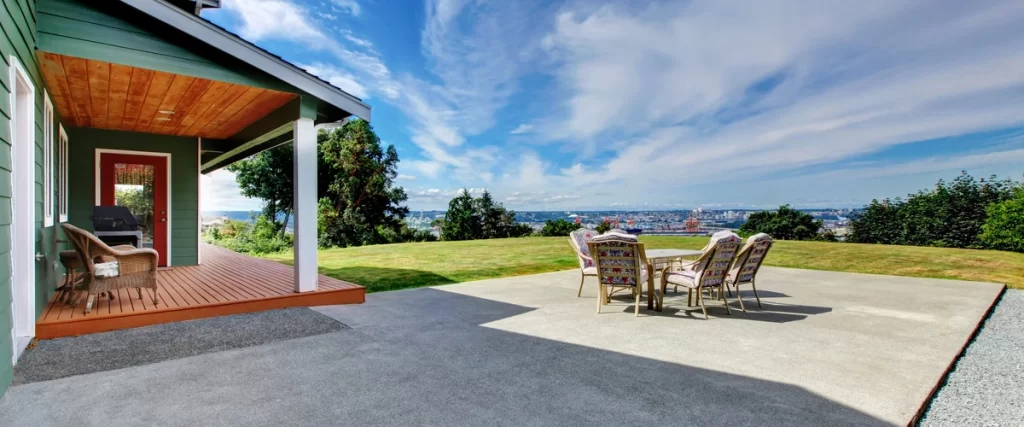
When people ask, “Stamped concrete vs paver patio, which is better for your backyard?”, they usually want clarity in a few key categories: cost, durability, appearance, upkeep, and how each one handles harsh weather.
Here is a closer look without rigid comparisons or formulaic summaries. Just clear points that help you choose confidently.
Cost and Labor
Stamped concrete offers a lower upfront cost. It requires fewer materials and less detailed work during installation. A concrete slab can be poured in a day for many patios, then stamped and sealed.
Pavers cost more at first because each unit must be laid individually. The base needs careful compaction. That extra labor pays off later through easier repairs and stronger long-term performance.
Durability and Weather Response
Pavers handle freeze-thaw cycles well. The joints allow for expansion, so cracking is rare. Harsh weather is less disruptive since individual pieces move with the ground instead of fighting it.
Stamped concrete can last for decades, yet it is more sensitive to cracking. If the ground moves or moisture expands under the slab, fractures can appear. In cold climates, this matters. In warmer climates, stamped concrete performs very well.
Maintenance and Repairs
A paver patio usually needs less maintenance. Occasional sweeping, some added sand, and light cleaning preserve the surface. If a problem appears, you replace individual pavers and move on.
Stamped concrete requires regular sealing. Without it, color fades and the surface becomes more absorbent. Cracks can require significant repair work. Some homeowners find this manageable, while others prefer a patio material that spreads maintenance out over the years.
Appearance and Customization
Stamped concrete gives you patterns that look like natural stone, brick, or even wood. Color blending and detail work can be beautiful when done well.
Pavers offer a richer texture because each piece has its own character. Many homeowners say the finished product feels more like real stone. Pavers also give you many shapes, edge cuts, and tones, which creates freedom in choosing pavers that match your home’s aesthetic.
Environmental Considerations
Permeable pavers reduce runoff, support drainage, and work well in yards that collect water. A concrete patio sheds water instead. With the right grading, this works, although some homeowners lean toward materials that integrate more easily with the soil below.
Which Patio Material Fits Your Backyard Best?
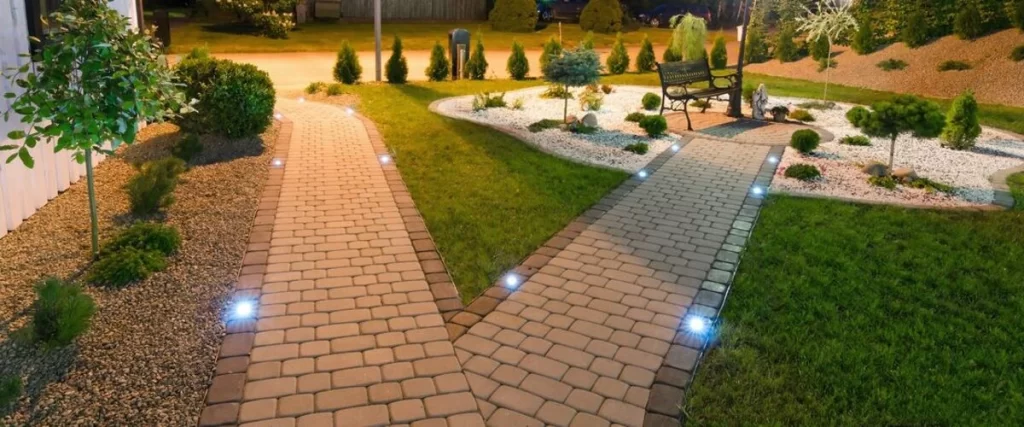
There is no single superior choice for every home. Instead, the best material reflects your personal taste and the way you want to use your outdoor space.
A stamped concrete patio suits someone who wants a lower upfront cost, a cohesive look, and a wide range of surface textures. It fits well in warm climates and in yards where a smooth concrete slab adds visual order.
A paver patio suits someone who values long-term value, better slip resistance, and simpler repairs. It has a strong appeal for homeowners who want a rich, natural look and less maintenance over the years.
Think about how you use your yard. Think about weather conditions. And think about how much upkeep feels comfortable. These questions usually point clearly toward one option.
Ready for a Patio That Feels Right for You?
Patio decisions can feel overwhelming. Materials, patterns, drainage, maintenance, installation techniques, and long-term performance all play a role. Many homeowners reach a point where researching pavers vs stamped concrete becomes tiring.
If you prefer to skip the stress and let an experienced paver patios team guide the process, our crew can help you choose the right material and build a space that feels beautiful and easy to live with. You can call us at (469) 583-6213 or message us here, and we’ll take good care of everything.