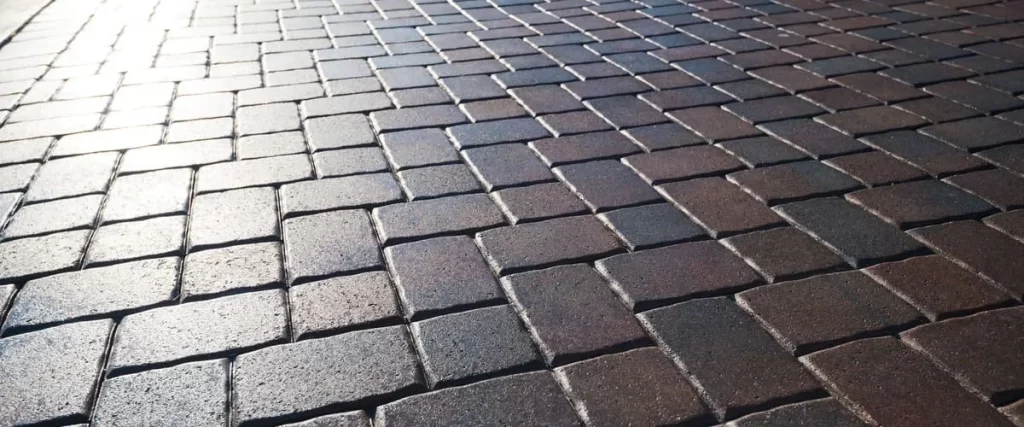
You invested in beautiful patio pavers or a stunning brick driveway. Everything looked perfect after installation. Then time and weather took their toll. Stains appeared, weeds pushed through the joints, and colors started fading.
Sealing your pavers protects that investment and keeps outdoor surfaces looking their best for years. Understanding what a sealer does, which type works for your situation, and when to apply it makes the difference between wasted effort and real protection.
What Paver Sealing Actually Does
Paver sealant creates a protective coating over your entire paver surface. This layer acts as a barrier between your pavers and everything the elements throw at them.
The protective coating defends against several types of damage. UV rays from constant sun exposure fade colors over time. Rain and moisture seep into porous surfaces, causing efflorescence (those white chalky deposits on concrete and natural stone). Oil, grease, dirt, and grime from foot traffic and weather create permanent stains when left unprotected.
Sealing also stabilizes the joint sand between individual pavers. The sealant penetrates slightly into sand-filled joints, locking everything in place. This reduces weed growth and prevents sand from washing away during heavy rain.
Types of Paver Sealers
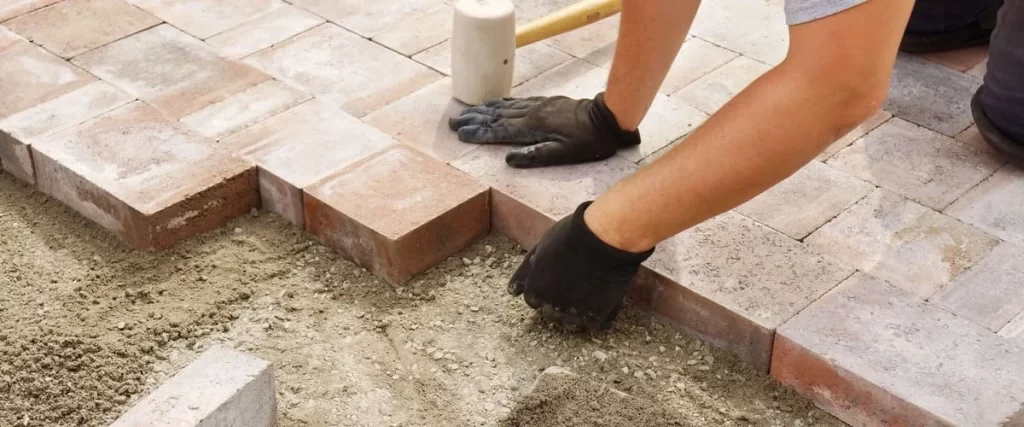
Different sealers serve different purposes. Your choice depends on the look you want and the conditions your pavers face.
Water-based sealers use water as the carrier for sealing compounds. They typically have low VOCs, meaning fewer fumes during application and better air quality. These sealers provide a matte or natural finish that doesn’t dramatically change your pavers’ appearance. They work well for driveways, walkways, and areas where you want protection without obvious shine.
Solvent-Based Sealers use chemical solvents as carriers. They provide more dramatic color enhancement and can create that wet-look finish many homeowners prefer. The enhanced appearance brings out natural colors in brick pavers and stone. Solvent-based options typically offer stronger protection and better durability in high-traffic areas or severe weather conditions.
Some quality sealers combine properties from both categories, offering enhanced protection with flexible finish options.
Penetrating vs. Film-Forming Sealers
Beyond water-based and solvent-based categories, paver sealers differ in how they provide protection.
Penetrating sealers soak into the porous paver surface rather than sitting on top. They protect from within, blocking moisture while allowing pavers to breathe.
Film-forming sealers create a visible layer on the paver surface. This coating provides a barrier against stains and adds that glossy wet look many people want. The tradeoff is maintenance. Film-forming sealers may need more frequent reapplication and can show wear patterns in high-traffic areas.
When You Should Seal Your Pavers
Timing matters when sealing pavers. Brand-new installations need time before sealing begins.
Most manufacturers and contractors recommend waiting 30 to 90 days after installation before applying sealant. This waiting period allows efflorescence to appear and get cleaned off, lets trapped moisture escape, and gives polymeric sand in the joints time to cure properly.
For existing paver surfaces, several signs indicate it’s time to seal or reseal:
- Your pavers look faded compared to when they were new
- Joint sand keeps washing away after rain
- Weeds grow between pavers despite your efforts
- Stains from oil, grease, or spills set in permanently
- Moss or mildew appears in shaded areas
- Water no longer beads on the surface but soaks right in
Climate Considerations
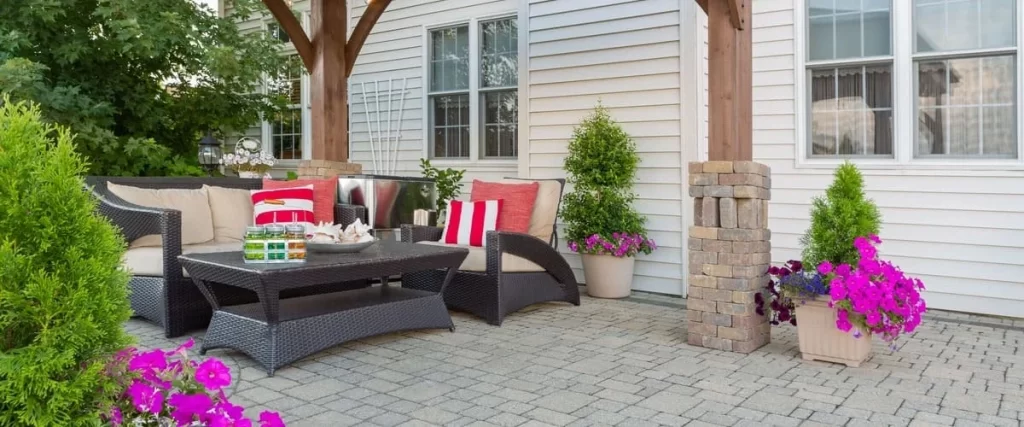
In humid regions with intense sun, frequent rain, and high temperatures, sealing becomes particularly important. The combination of moisture and heat creates ideal conditions for mold, mildew, and moss growth.
Regions with freeze-thaw cycles face different challenges. Water seeping into porous pavers freezes and expands, creating cracks that threaten structural integrity. A quality sealer blocks moisture penetration, preventing damage before it starts.
The Sealing Process Explained
Sealing pavers requires proper preparation and technique. Skipping steps or rushing leads to poor results.
Surface Preparation starts with thorough cleaning. Remove all dirt, grime, stains, mold, and mildew. Power washing works well but requires complete drying time afterward. Any moisture left on or in the pavers will get sealed in, causing problems later.
Repair Work comes next. Fix any cracked or damaged pavers. Replace missing joint sand. Address any drainage issues that might cause water pooling.
Once everything is clean, dry, and repaired, application can begin. Most quality sealants go on with a roller or sprayer. The goal is even coverage across the entire surface without puddles or thin spots. Some sealers need two coats, while others perform best with a single heavy application.
Drying time varies based on sealer type, temperature, and humidity. Water-based products typically dry faster than solvent-based options. Most sealers need at least 24 to 48 hours before the surface can handle foot traffic, and longer before you should drive on sealed driveways.
What Sealing Protects Against
A proper sealing job defends your hardscape investment from multiple threats.
Stain protection tops the benefit list. Sealed pavers resist oil and grease from vehicles. Spills from outdoor dining wipe away easily instead of soaking in. Organic stains from leaves, berries, and tree sap clean up without leaving marks.
Water penetration gets blocked at the surface. This prevents damage from freeze-thaw cycles, reduces efflorescence, and stops moisture-related deterioration. For pool decks and patios, sealed surfaces stay drier and provide better traction.
UV protection maintains color. Sealed brick pavers and natural stone keep their vibrant appearance despite constant sun exposure. Color-enhancing sealers can even revive faded pavers, restoring some of their original richness.
Joint stabilization prevents structural problems. When polymeric sand or regular joint sand stays locked in place, pavers maintain proper spacing and alignment. Individual pavers support each other correctly, and the entire paved area maintains its structural integrity against shifting and settling.
How Long Does Sealing Last
No paver sealer lasts forever. Wear, weather, and time break down even the best protective coatings.
Most quality sealers protect for two to five years before needing reapplication. The lifespan depends on several factors:
- Heavy foot traffic wears through sealers faster than lightly used areas
- Driveways need resealing more often than backyard patios
- Harsh weather conditions shorten sealer life, particularly extreme temperatures or intense UV exposure
- Solvent-based sealers generally last longer than water-based versions
- Film-forming sealers show wear more obviously than penetrating types
Regular maintenance extends the time between sealing jobs. Sweep or blow off debris regularly. Clean spills promptly. Avoid harsh chemicals or de-icing salts that can break down the protective layer faster.
Choosing Between DIY and Professional Sealing
Sealing pavers looks straightforward: buy sealer, apply it, done. The reality involves more complexity than most homeowners expect.
Surface preparation takes significant time and effort. Getting pavers truly clean and completely dry requires the right equipment and knowledge. Choosing the correct sealer for your specific pavers, desired finish, and local climate means understanding product specifications and performance characteristics.
Application technique affects results dramatically. Uneven coverage, over-application that leaves sticky surfaces, or under-application that provides inadequate protection all stem from inexperience. Weather conditions during application matter because temperature and humidity need to fall within specific ranges for proper curing.
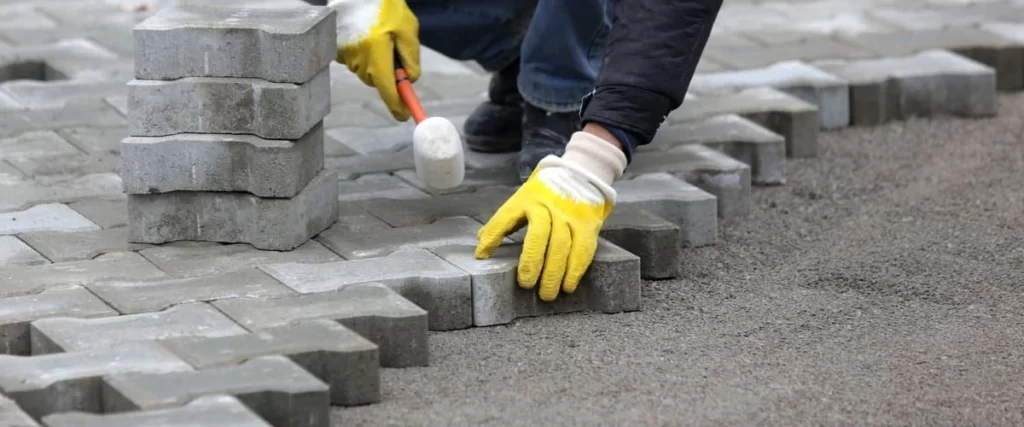
Professional sealing services bring experience with different paver types, familiarity with various sealer products, proper equipment for preparation and application, and knowledge of local weather patterns and timing considerations.
Maintenance After Sealing
Sealed pavers still need care. The protective coating makes maintenance easier but doesn’t eliminate it entirely.
Regular cleaning prevents buildup that can dull your sealed surface’s appearance. Sweep or blow away leaves and debris. Rinse with water periodically. For tougher dirt and grime, use pH-neutral cleaners designed for sealed surfaces. Harsh chemicals can break down the protective layer prematurely.
Monitor the condition of your paver joints. If polymeric sand or joint sand starts eroding despite the sealant, address it before the problem spreads. Watch for any cracks or damage to individual pavers and repair them promptly to maintain overall structural integrity.
Let Professionals Handle the Details
Reading about surface preparation, sealer types, application techniques, and maintenance schedules gives you good information. Actually doing all of it correctly takes time and expertise you might prefer to spend elsewhere.
MCM Outdoor Living handles paver patio sealing along with other outdoor hardscape projects. We know which sealers work best for Texas conditions, how to properly prepare surfaces, and how to apply protective coatings that actually last.
Ready to protect your paver investment? Call us at (469) 583-6213 or message us here to discuss your paver project. We’ll make sure your outdoor surfaces stay beautiful and protected for years to come.