
A swimming pool brings joy, connection, and a refreshing break on warm afternoons, but it also requires thoughtful attention to safety. Families with young children, older children, or even adults who are still improving their swimming abilities benefit from safety measures that protect everyone around the pool area.
These pool safety features create a secure swimming environment without taking away from the fun or comfort of your backyard oasis.
Safety begins with layers. No single feature handles every situation. When several features work together, the pool area becomes safer and easier to monitor. This helps prevent accidents, encourages safe behaviors, and offers families a more relaxed time around the water.
The Importance of Pool Fencing
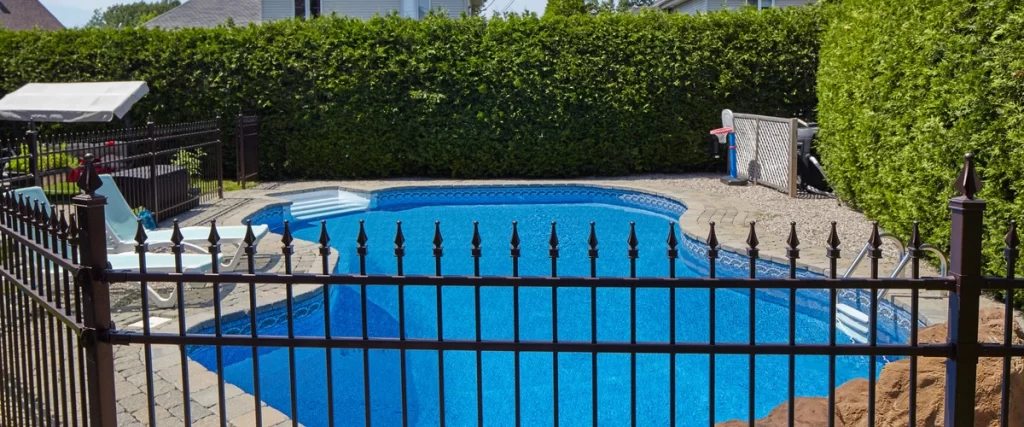
A pool fence provides one of the strongest safety barriers. Proper fencing helps prevent unsupervised access by young children, pets, or visitors who may wander into the pool area without noticing the potential risks.
Families often choose fences based on style and space, but safety standards remain similar across different designs. Most fences are at least four feet high, strong enough to act as a physical barrier while still fitting into the yard’s overall look.
Some features to look for include:
- Self-closing gates, which swing shut automatically
- Self-latching gates, which secure themselves once the gate closes
- Latch placement out of reach of small children, usually higher than their arm length
- Sturdy materials, such as aluminum, wood, or steel
Pool fencing offers consistent protection because it stands as a first-line barrier, regardless of how busy the household becomes on a given day.
Gates and Alarms for Added Protection
A pool fence becomes even more effective when paired with gate alarms or alarms on access points leading to the pool area. These alarms alert adults when someone enters the pool space unexpectedly.
There are several types of alarms that families find helpful:
- Gate alarms, which sound when the pool gate opens
- Door alarms, used when the home has direct access to the pool area
- Surface wave alarms, which detect movement across the water’s surface
- Subsurface alarms, designed to detect water disturbance below the surface
These alarms add another safety layer, especially for families with small children who explore quickly and quietly.
Pool Covers Designed for Safety
Pool covers vary widely. Some keep out leaves. Others keep the pool warm. Safety covers focus on preventing accidental falls into the water.
Well-designed safety covers come in several forms:
- Mesh covers, which allow rainwater to drain through while blocking access
- Solid covers, which keep debris and sunlight out of the water
- Motorized covers, for homeowners who prefer convenience
- Lockable covers, used to secure the pool during long periods without swimming
Safety covers reduce algae growth and help maintain proper water chemistry, but their primary benefit is that they act as a strong barrier when the pool is not in use.
Anti-Entrapment Drain Covers
Anti-entrapment drain covers play a vital role in pool safety. These covers prevent hair, clothing, or body parts from becoming trapped by the suction of the pool’s main drain.
Modern drain covers follow safety standards and work with the pump system to reduce the risk of entrapment. Pool owners should inspect these covers regularly and replace damaged covers immediately to maintain safe swimming conditions.
Pool Ladders and Steps
Many families think about pool ladders mainly for convenience, but they contribute significantly to safety. A stable entry and exit point helps swimmers regain balance and move comfortably between the water and the pool deck.
Some safety-friendly features include:
- Wide steps, giving children and adults a steady place to stand
- Non slip surfaces, preventing falls in shallow areas
- Handrails, which help swimmers maintain balance
- Gradual depth transitions, especially in pools used by small children
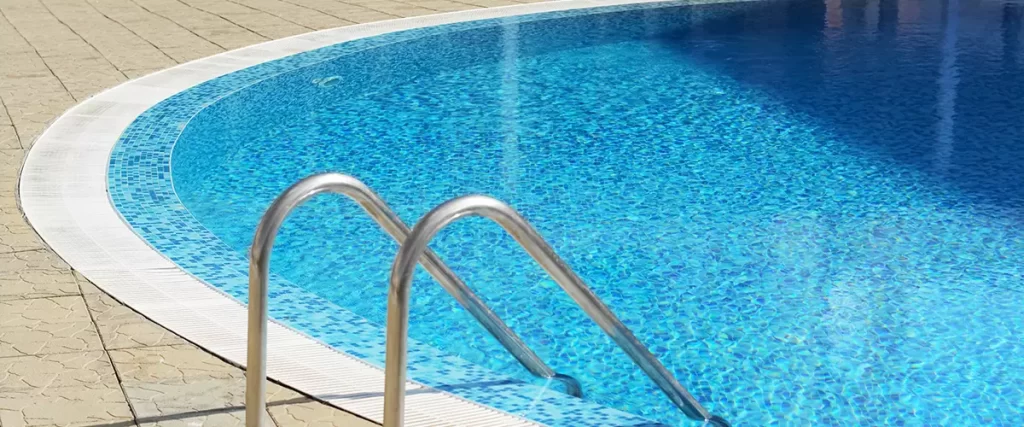
These additions support confidence and comfort for all ages.
Clear Rules and Good Habits
Safety equipment offers powerful protection, but good habits create the most dependable safe swimming environment. Pool rules help everyone understand what is expected around the water.
Families often set simple guidelines, such as:
- Walk, never run, around the pool deck
- Avoid diving in shallow areas
- Keep toys away from the pool when not in use, preventing children from trying to reach them
- Supervise children closely, even if they know how to swim
- Be respectful of others using the pool, especially younger swimmers
Teaching children safe behaviors early helps them build lifelong habits that lower risk.
Adult Supervision and Swimming Lessons
Even the best features cannot replace constant adult supervision. Adults act as active observers around the water, staying close enough to respond quickly if someone needs help. This is true for young children and older children alike. Swimming lessons also make a noticeable difference because confident swimmers respond more effectively during unexpected situations.
If children spend time around the pool, consider:
- Teaching children to float so they have a basic safety skill
- Encouraging strong swimming abilities, especially for older children
- Practicing safe entry and exit, so everyone knows how to move around the pool
Swimming lessons support confidence, but supervision always remains important.
Safety Equipment to Keep Nearby
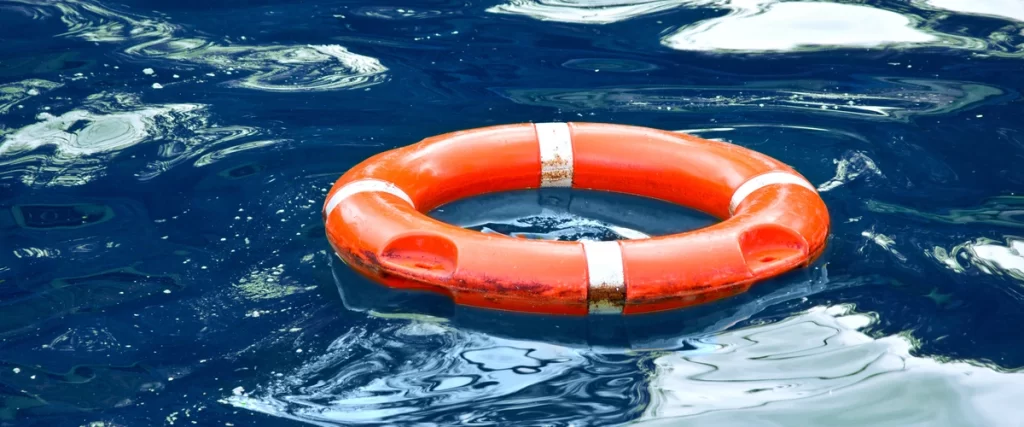
Every pool owner benefits from having safety equipment available poolside. These items help adults respond quickly during an emergency.
Many families keep the following within easy reach:
- Life rings, used to reach someone in the water
- A throw rope, which helps pull someone to the edge
- Flotation devices, available for weaker swimmers
- A life vest, for young children or guests who need extra support
- A first aid kit, kept in a dry, visible location
Knowing where these items are stored saves time during unexpected situations.
Alarms That Detect Water Disturbance
For families with small children or curious pets, alarms that detect movement in the water offer additional reassurance. These devices monitor the water’s surface and alert adults if something enters the pool unexpectedly. Surface wave alarms and subsurface alarms both help detect disturbances early.
These features work best when combined with physical barriers like fencing and covers.
Safety Standards for the Pool Deck
A safe pool deck helps prevent accidental falls. Wet surfaces become slippery quickly, especially when children run or play.
Many homeowners choose materials and finishes that support safer walking surfaces:
- Non-slip textures
- Deck coatings that add grip
- Well-placed drains prevent standing water
- Good lighting improves visibility in the evening
These small additions make a meaningful difference in everyday safety.
Emergency Preparedness for All Family Members
Every household benefits from discussing how to respond during a pool emergency. Adults should know how to react quickly, and older children can learn basic steps as well.
Some families practice the following:
- Calling for help
- Using flotation devices
- Avoiding panic, focusing on safe responses
- Guiding younger children away from danger
Preparedness brings calm and clarity during stressful moments.
Creating a Layered Approach to Pool Safety
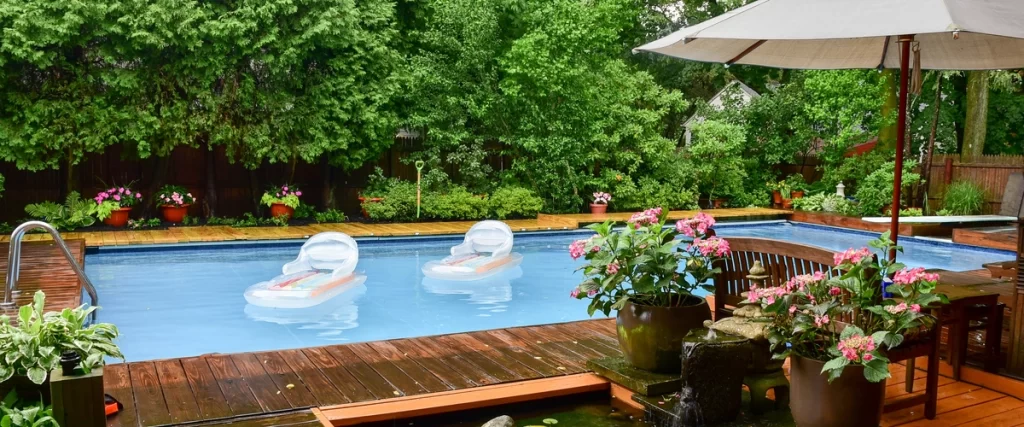
A secure swimming environment comes from layers of protection. Each feature contributes something valuable.
These layers often include:
- Fencing and barriers, which prevent accidental access
- Alarms, which alert adults when someone enters the pool area
- Safety covers, which protect the pool when not in use
- Safe entry points, such as ladders, steps, and non-slip surfaces
- Drain covers, which prevent suction hazards
- Clear rules, shaping safe habits for everyone
- Supervision, staying present and aware around the pool
When these elements work together, they create a safer backyard for everyone.
Want an Easier Way to Improve Your Pool’s Safety?
Pool safety involves many pieces, and coordinating them takes time. Some families enjoy managing these details themselves, while others feel more comfortable asking for support.
If you would like help with the pool design so that the area feels safer and more family-friendly, you can call us at (469) 583-6213 or message us here. Our team can help create a pool space that feels enjoyable, secure, and easier to maintain.