
Not every pool upgrade is worth the price tag. Some genuinely transform how you use your backyard, cut your energy costs, and extend your swimming season. Others are expensive novelties that lose their appeal after the first summer. This list covers the ones that actually deliver.
1. Variable Speed Pump
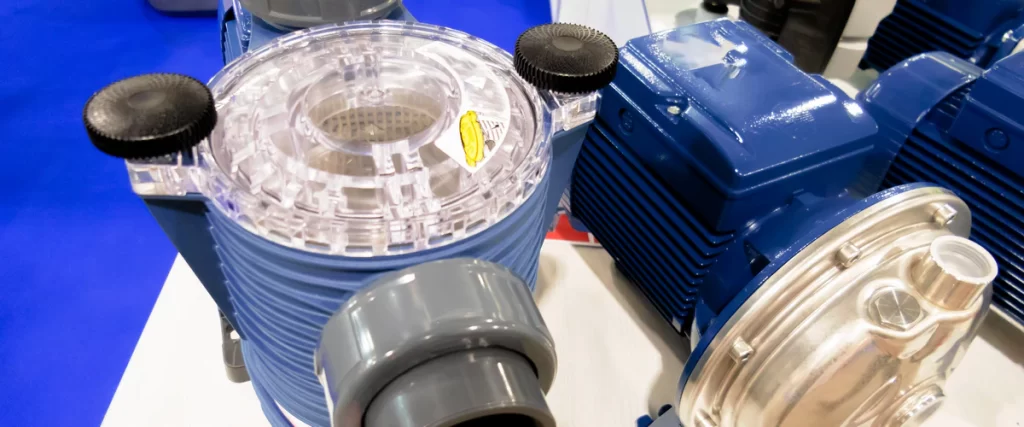
If you still have a single-speed pool pump, this is the first upgrade worth making.
Your pool pump is likely your home’s second largest energy user. A conventional single-speed pump can cost $400 to $500 annually to run. Switching to a variable speed pump drops that to roughly $100 to $150 per year, and according to ENERGY STAR, certified models use 70% less energy on average.
The adjustable settings also mean better water circulation, quieter operation, and less strain on your filter and plumbing over time. It’s one of those upgrades where the savings are consistent and measurable from the first month.
2. Robotic Pool Cleaner
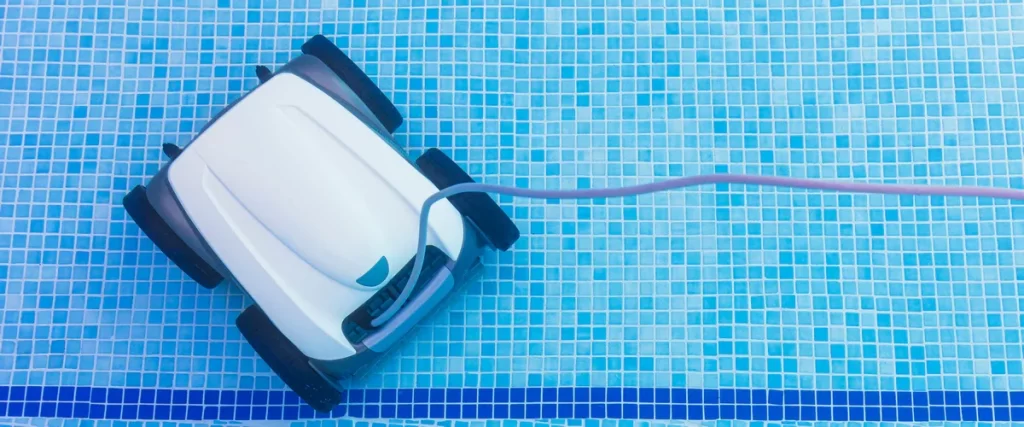
Manual pool cleaning takes time nobody wants to spend on a hot day when the water is right there.
Robotic cleaners operate independently from your pool’s pump and filtration system, using their own motor to scrub the pool floor, walls, and waterline with minimal effort on your part. They cost less to run than suction-side cleaners that rely on your main pump, and they reduce chemical usage by improving circulation and picking up debris before it breaks down in the water.
The upfront investment of $500 to $1,500 typically pays for itself within a couple of seasons through reduced maintenance costs and less time maintaining water chemistry.
3. Pool Heater or Heat Pump
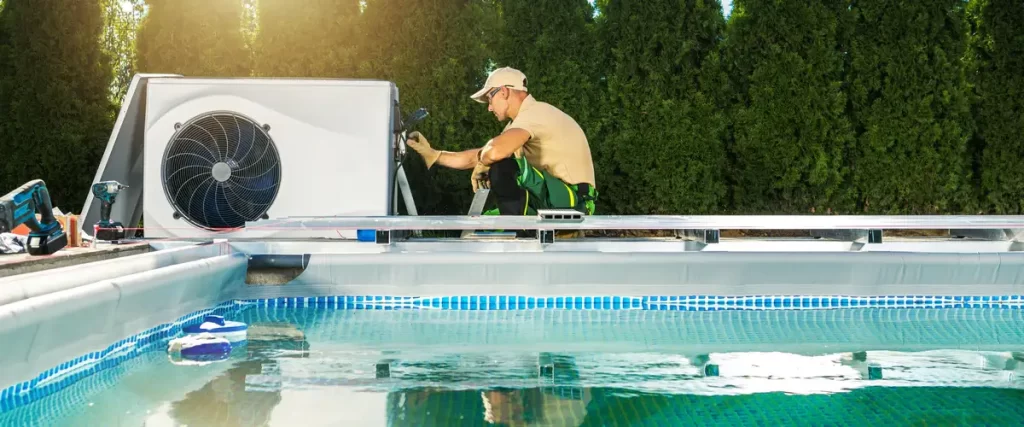
A heated pool turns a seasonal feature into something you use most of the year. In Texas, that’s not an exaggeration.
| Heating Type | Upfront Cost | Energy Efficiency | Best For |
| Gas heater | $1,500 to $3,500 | Lower | Fast heating, cooler climates |
| Heat pump | $2,500 to $5,000 | Very high | Warm climates, extended seasons |
| Solar water heater | $3,000 to $7,000 | Highest | Hot, sunny climates |
A heat pump is generally the smart choice here. It uses ambient air to heat the pool water rather than burning fuel, keeping electricity costs manageable even with extended use. Solar water heaters cost more upfront but are nearly free to operate once installed.
Extending your swimming season by two or three months also adds real value to the overall investment you made building the pool.
4. LED Pool Lighting
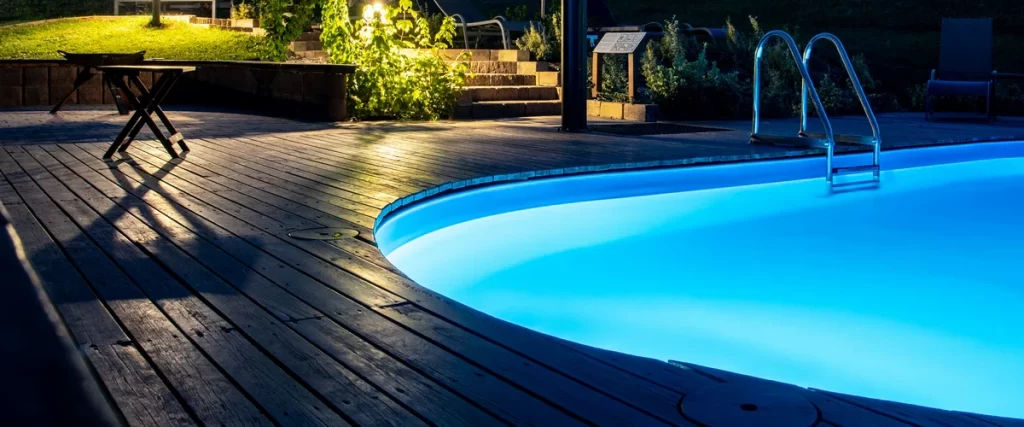
If your pool still has halogen or incandescent lights, switching to LED is one of the easier upgrades to justify.
LED pool lights use up to 75% less energy than halogen alternatives and last significantly longer, often 25,000 to 50,000 hours compared to 1,000 to 5,000 for older bulbs. The difference in electricity costs over a few years is real, and the visual upgrade is dramatic.
Color-changing LED systems make the pool area far more versatile for entertaining guests after dark, and because they generate less heat, they have less impact on your pool water temperature during evening swims.
5. Automatic Pool Cover
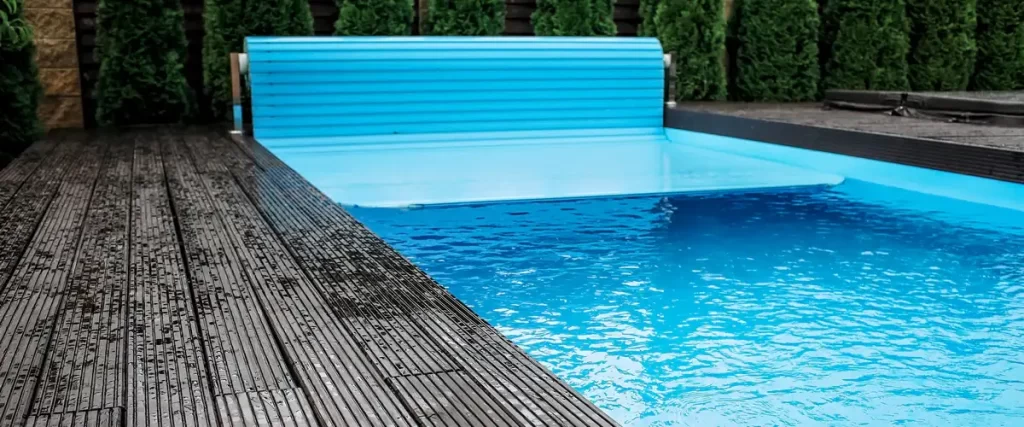
Most pool owners think about covers in terms of safety and keeping debris out. Both are valid. What often gets overlooked is how much an automatic cover helps with heat loss and water loss.
A quality cover can reduce pool water evaporation by up to 95%, which directly cuts your chemical usage and the time you spend balancing water chemistry. For pools with a heating system, it can reduce heating costs by 50% to 70% by trapping warmth overnight. That’s a meaningful offset against the cost of keeping the pool warm through cooler months.
6. Hot Tub or Spa Addition
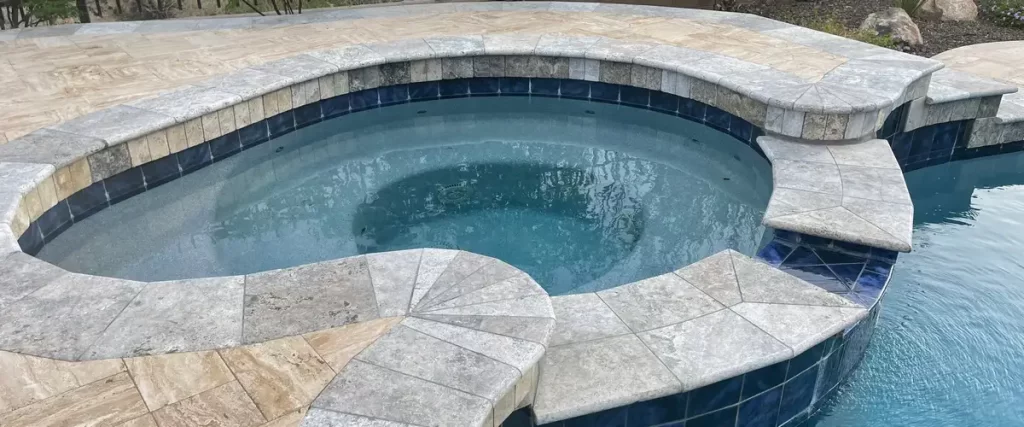
Adding a spa to an existing pool is consistently one of the upgrades pool owners say they use the most.
It extends your outdoor living into cooler months, gives you a separate space for relaxation without heating the entire pool, and adds real property value. Built-in spas with water features that spill into the pool also improve water circulation and add visual appeal that matters both day to day and at resale.
One thing worth knowing: adding a spa during initial construction is significantly cheaper than retrofitting one later. If you’re building a new pool and considering it, that’s the window to act.
7. Pool-Friendly Landscaping
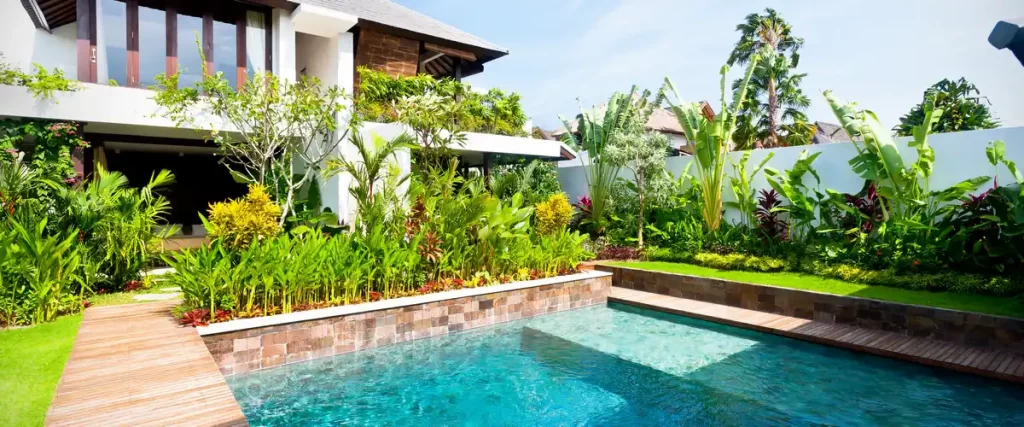
What surrounds your pool matters more than most pool owners expect.
Strategically placed plants and trees reduce water temperature on peak hot days, act as a windbreak that cuts heat loss through evaporation, and define the space visually in a way that makes the whole backyard feel intentional. The difference between a pool sitting in a yard and a backyard oasis often comes down to how the landscaping is handled.
The key is choosing the right plants. Species that drop a lot of debris create more routine maintenance, not less. Pool-friendly landscaping uses low-shedding plants suited to the Texas climate, ground cover that doesn’t track into the water, and placement that works with the sun and wind rather than against them.
Our blog on cost vs. quality in backyard projects covers how these kinds of thoughtful early decisions consistently pay off over the long haul.
8. Smart Pool Automation System
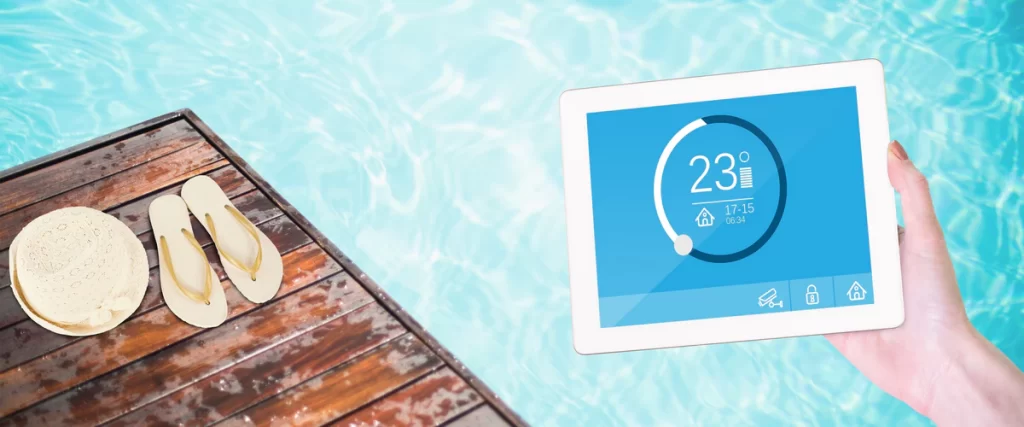
Controlling your pump, lighting, heater, and pool cover from your phone isn’t just convenient. It’s useful for keeping everything running at peak efficiency without thinking about it constantly.
Smart automation systems let you schedule your variable speed pump to run during off-peak electricity hours, adjust your heating system remotely, and monitor chemical levels with compatible sensors. For pool owners who travel or have busy schedules, knowing you can check in from anywhere removes a lot of low-level stress.
Most systems integrate with existing equipment, so you’re often adding a control layer rather than replacing everything. Basic setups start around $1,000 installed. More comprehensive systems with chemical monitoring run $2,500 to $5,000, and for frequent pool users, the energy savings and convenience typically justify it.
FAQ
Which upgrade saves the most money? The variable speed pump delivers the most consistent, measurable savings, often paying for itself within two years through reduced electricity costs alone.
Is a heated pool worth the added energy costs? For most Texas homeowners, yes. A heat pump running in mild weather costs relatively little per month, and the extended swimming season justifies it over time.
Do LED lights make a noticeable difference? Both visually and financially. The energy savings compared to halogen are significant, and the color options make the pool area far more enjoyable after dark.
Should I add a spa during construction or later? During construction if possible. Retrofitting a spa afterward is considerably more expensive than building it in from the start.
How much does smart automation cost? Basic systems start around $1,000 installed. Full setups with chemical monitoring run $2,500 to $5,000, but the savings and convenience add up quickly for regular pool users.
Build It Right From the Start
The upgrades that deliver real long-term value are the ones built into the project properly from day one. A variable speed pump wired correctly, LED lighting integrated into the design, landscaping planned around the pool rather than added as an afterthought. These decisions compound over time in ways that matter.
We build complete outdoor living spaces with all of this factored in from the first conversation. Take a look at what we do on our outdoor living spaces page, and when you’re ready to start planning, call us at (469) 583-6213 or message us here.