Building a deck in Texas sounds simple until you realize there’s a whole world of regulations standing between you and that dream outdoor space. Local building codes exist for good reason. They protect you, your family, and anyone who sets foot on your deck from structural failures that could lead to serious injuries or worse.
If you’re planning a deck project, you need to grasp the permit process and what local building authorities expect to save yourself time, money, and potential legal headaches down the road.
Why Texas Takes Deck Regulations Seriously
Texas doesn’t mess around when it comes to construction safety. The state follows the International Residential Code (IRC) as a baseline, but your city or county often adds its own requirements on top of that. Local building departments enforce these rules to make sure decks remain effective structures that can handle everything from summer barbecues to unexpected weather events.
Most jurisdictions require a building permit for decks over a certain height or size. Some cities demand permits for any deck attached to your house, while others have different thresholds. The Texas Department of Licensing and Regulation (TDLR), provides resources and guidance on contractor licensing and general construction standards across the state.
The permit application might feel like an annoying extra step. But inspectors catch problems during construction that could become disasters later. Water intrusion, improper ledger board attachment, and inadequate footing depth. These issues don’t announce themselves until something goes wrong.
Understanding the Building Permit Process

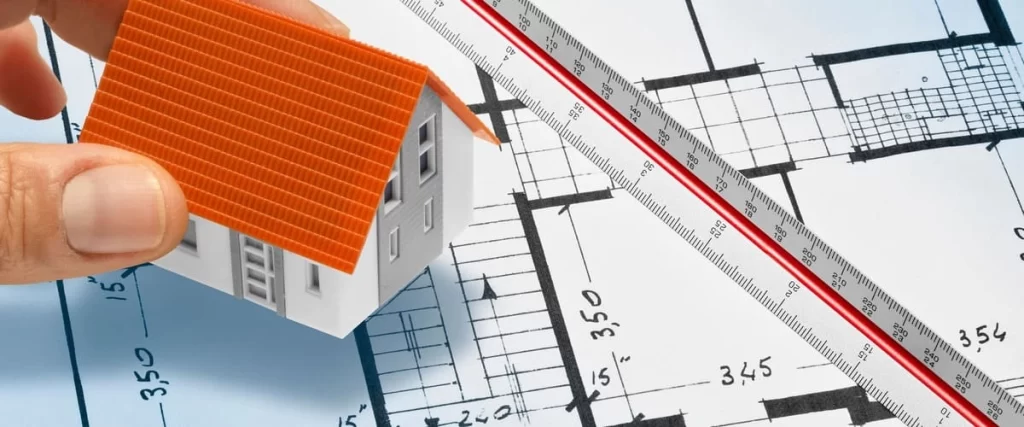
Getting a building permit starts with contacting your local building department. You’ll need to submit approved plans that show exactly what you’re building, where you’re building it, and how the structure will be supported.
Your site plan should include:
- Property lines to verify setback requirements
- Location of existing structures on your lot
- Deck dimensions and height measurements
- Foundation details showing how posts will be anchored
Most departments want engineered drawings for larger decks or anything attached to your house. The plans need to demonstrate that your deck meets safety and design standards for load-bearing capacity, railing height, stair dimensions, and structural integrity.
After you submit your application, the review process takes anywhere from a few days to several weeks, depending on your city’s workload and the complexity of your construction project. Some areas offer a general repair permit for small structures or minor additions, which may have a streamlined approval process.
Key Factors in Texas Deck Construction
The IRC sets minimum standards, but local codes often go further. Understanding these requirements before you start digging post holes will prevent costly do-overs.
Foundation and Structural Support
Texas soil varies dramatically across the state. Clay-heavy regions require deeper footings than sandy areas. Your local regulations specify minimum depth requirements, typically ranging from 12 to 36 inches below grade, depending on frost lines and soil conditions.
Posts must be securely attached to footings using approved methods. Inspectors look for proper hardware, adequate concrete coverage, and correct post sizing for the load they’ll carry. A deck that looks solid might hide undersized beams or improperly spaced joists that will fail over time.
Ledger Board Attachment
For decks attached to your house, the ledger board connection is critical. This horizontal beam bolts directly to your home’s structure and carries half the deck’s weight. Local building authorities require specific fastener types, spacing, and flashing details to prevent water intrusion into your home’s framing.
Many deck collapses happen because of failed ledger connections. Inspectors check that bolts go into solid framing members, not just siding or sheathing. They verify proper flashing installation to keep water from rotting the connection over time.
Railings and Guards
Any deck more than 30 inches above grade needs a railing system. The IRC requires railings at least 36 inches tall, with balusters spaced so a 4-inch sphere can’t pass through. Some Texas cities bump that up to 42 inches for added safety.
Handrails on stairs have different requirements. They need to be graspable, typically 1.25 to 2 inches in diameter, and mounted between 34 and 38 inches above the stair nosing.
Fire Safety Considerations
If you’re building near existing buildings or close to property lines, fire safety regulations might affect your material choices. Some jurisdictions restrict combustible materials in certain situations or require fire-rated barriers.
Local codes may also address deck proximity to swimming pools, requiring additional fencing or safety features to prevent unsupervised access.
Common Permit Requirements Across Texas
While specific regulations vary, most Texas cities share similar baseline requirements:
Height thresholds: Decks over 30 inches high almost always need permits
Size limits: Structures exceeding 200 square feet typically trigger permit requirements
Attachment status: Decks connected to your house face stricter scrutiny than freestanding structures
The job site needs to remain accessible for inspections at key milestones. Expect an inspector to check footings before you pour concrete, framing before you install decking, and a final inspection before you can legally use the structure.
What Happens If You Skip the Permit
Some homeowners try to avoid the permit process, thinking they’ll save time and the low cost of permit fees. This gamble rarely pays off.
Building without permits can trigger legal action from your city, requiring you to tear down unpermitted work. Your homeowner’s insurance might refuse to cover damage or injuries related to unpermitted construction. When you sell your house, unpermitted structures create title problems that delay or kill sales.
Getting caught means paying permit fees anyway, plus penalties, plus the cost to bring your deck up to code or remove it entirely. The importance of proper permits becomes painfully clear when you’re writing those checks.
Working With Local Building Authorities
Your local building department isn’t your enemy. Inspectors want to help you build safely. Call them before you start planning. Ask about specific size requirements, setback rules, and any unusual local regulations that might affect your project.
Many jurisdictions offer education resources, example plans, and guidance documents on their websites. Some cities provide plan review checklists so you know exactly what to include in your permit application.
If your city requires specific engineering or architectural stamps on plans, they can point you to approved professionals who understand local codes. Building relationships with your local authorities makes the entire process smoother.
Materials and Methods That Meet Code
Using the right materials matters as much as following design rules. Pressure-treated lumber, composite decking, and metal connectors all need to meet specific standards for outdoor use and structural support.
Local codes often reference specific product ratings or treatment levels. Using untreated lumber where code requires pressure-treated wood invites failure. Choosing the wrong fasteners leads to corrosion and structural problems.
Your approved plans should specify materials by grade and treatment level. Substituting materials during construction without approval can fail your inspection, even if the replacement seems equivalent.
When You Need Professional Help

Some deck projects exceed DIY capabilities. Complex designs, difficult sites, or structures that push size limits benefit from professional knowledge and experience. Contractors familiar with local regulations navigate the permit process efficiently and build to code the first time.
If you’re considering a deck addition, working with experienced professionals can take the stress out of compliance, design, and construction while ensuring your outdoor space meets all safety standards.
Let Someone Else Handle the Headache
Reading through building codes, drawing site plans, scheduling inspections, and making sure every post, beam, and railing meets Texas requirements takes real time and expertise. Maybe you’d rather spend your weekends enjoying a deck instead of building one.
McKinley Construction Management handles deck projects from design through final inspection. We know Texas deck building codes inside and out, work with local building departments regularly, and build structures that pass inspection the first time.
Ready to add that outdoor space without wrestling with permits and regulations? Call us at (469) 583-6213 or message us here to discuss your deck building project. We’ll handle the details while you plan the housewarming party.