Your pool finish does more than make your swimming pool look good. It affects how the water looks, how the surface feels under your feet, how often you’ll be brushing and cleaning, and how long before you’re dealing with staining or needing a pool remodel. Pick the wrong one, and you’ll regret it every time you look at your backyard.
Pick the right pool finish, and you’ll forget it’s even there, which is exactly the point.
The challenge is figuring out which finish actually works for your situation. Pool owners face different needs based on budget considerations, how they use their pool, and what kind of look they’re going for. Some people want that classic blue shimmer. Others want something more natural. Some need durability above everything else.
Let’s walk through the different types of pool finishes so you can make a decision that makes sense for your pool.
Traditional Plaster: The Classic Choice
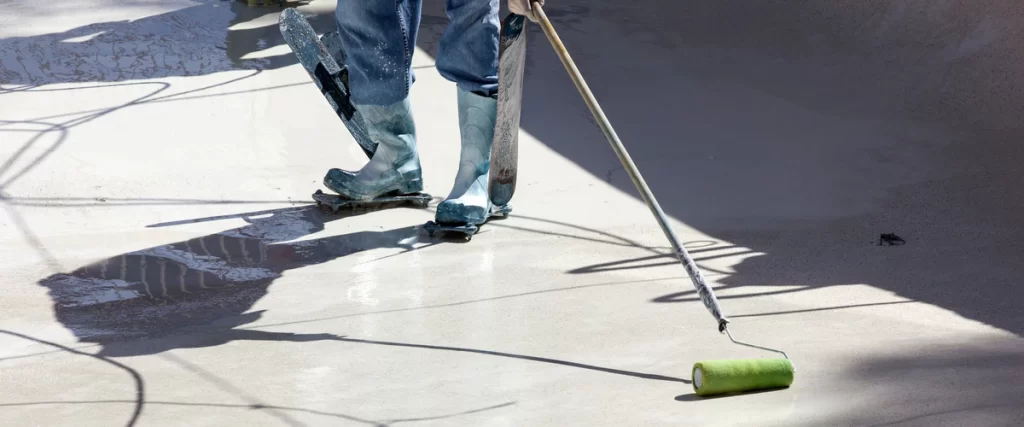
White plaster has been the standard pool surface for decades. It’s made from white cement mixed with marble dust, creating a smooth finish that gives pool water that recognizable light blue color. Most gunite pools start with this material because it works, it’s affordable, and pool professionals know how to install it properly.
The advantages stack up fast:
- Lower upfront costs: Traditional plaster typically runs $4 to $6 per square foot installed, making it the most budget-friendly option
- Smooth surface: Properly troweled plaster feels comfortable underfoot and won’t scrape swimmers
- Proven track record: This finish has been used successfully for 70+ years in residential installations
- Quick installation: Professional installation usually takes just a few days
The downside? Standard white plaster shows wear faster than other options. You’re looking at resurfacing every 7 to 10 years in most cases. It’s also more susceptible to staining from chemical imbalances, particularly if your pool water chemistry drifts toward acidic.
Colored plaster offers a middle ground. Instead of pure white, you can choose from blues, grays, greens, and even black. The price bumps up slightly, usually $5 to $8 per square foot, but the color helps mask minor staining and changes the water color for a more customized look.
Aggregate Finishes: Durability Meets Beauty
When pool owners want something tougher than traditional plaster, they turn to aggregate finishes. These combine white cement with various materials like pebbles, quartz crystals, glass beads, or crushed marble. The result is a pool surface that handles abuse better and lasts significantly longer.
Exposed Pebble Finishes
Pebble finishes reveal small stones embedded in the surface, creating texture and natural variations that hide imperfections beautifully. The natural beauty comes from using actual river stones in different colors and sizes. Some homeowners love how it looks like a natural swimming hole. Others find the rougher texture less appealing.
The numbers tell the story. Pebble finishes typically last 15 to 20 years before needing replacement. They resist chemical damage better than plaster and don’t show staining as readily. Pool maintenance becomes easier because algae growth struggles to establish itself on the textured surface.
Expect to pay $10 to $15 per square foot for a quality pebble finish. That’s double or triple the cost of white plaster, but you’re getting more than twice the lifespan.
Quartz Finishes
Quartz aggregate finishes split the difference between plaster and pebbles. They use crushed quartz crystals mixed into the cement base, providing a smoother surface than pebbles while offering better durability than straight plaster.
The quartz crystals catch light and create subtle added sparkle throughout the day. The effect is particularly striking in pools with proper LED lighting. Many pool owners report that quartz finishes maintain their appearance with less aggressive regular brushing compared to traditional plaster.
Pricing sits in the middle too, around $7 to $12 per square foot. Lifespan typically reaches 10 to 15 years with proper water chemistry maintenance.
Glass Bead Finishes
Glass beads represent the premium end of aggregate finishes. Tiny glass spheres mixed into the plaster create an exceptionally smooth finish with brilliant sparkle. The non-porous nature of glass makes these finishes highly resistant to algae growth and chemical damage.
The aesthetics are undeniable. Glass reflects light in ways other materials can’t match, giving the water a luminous quality that photographs beautifully. The tradeoff is cost, generally $15 to $20 per square foot or more.
Comparing Pool Finish Types
| Finish Type | Cost per Sq Ft | Expected Lifespan | Texture | Maintenance Level |
| White Plaster | $4-6 | 7-10 years | Very smooth | Moderate to high |
| Colored Plaster | $5-8 | 8-12 years | Very smooth | Moderate |
| Quartz | $7-12 | 10-15 years | Smooth | Low to moderate |
| Pebble | $10-15 | 15-20 years | Textured | Low |
| Glass Bead | $15-20+ | 12-18 years | Very smooth | Very low |
How Pool Design Affects Finish Selection
The type of pool you have matters. Gunite pools accept any finish because the gunite creates a perfect base for whatever surface you choose. Concrete pools work similarly.
Fiberglass pools come with their finish already applied at the factory. You can’t change it later without essentially replacing the entire shell. Vinyl liner pools obviously don’t use any of these finishes since the liner itself provides the waterproof surface.
If you’re planning a pool remodel, changing from one finish type to another requires properly preparing the pool surface first. An acid wash might be needed to remove old material. Deep staining or structural cracks demand repairs before any new finish goes on.
Maintaining Different Pool Finishes
All pool finishes need proper water chemistry. The Environmental Protection Agency provides recreational water quality guidelines that help maintain safe swimming conditions, and those same chemistry standards protect your pool surface. Balanced pH prevents damage to cement-based finishes and extends their lifespan regardless of which type you choose.
Plaster finishes require the most attention. Test your pool water twice weekly during swimming season. Keep pH between 7.4 and 7.6. Calcium hardness should stay around 200-400 ppm to prevent leakage through tiny pores in the plaster.
Aggregate finishes tolerate wider chemistry ranges but still benefit from consistent monitoring. The denser surface created by other aggregates makes them less vulnerable to chemical imbalances.
Regular brushing prevents staining on all surfaces. Plaster needs brushing twice weekly. Pebble finishes can often go with weekly brushing. Glass bead surfaces sometimes only need brushing every two weeks.
Special Considerations for Texas Pool Owners
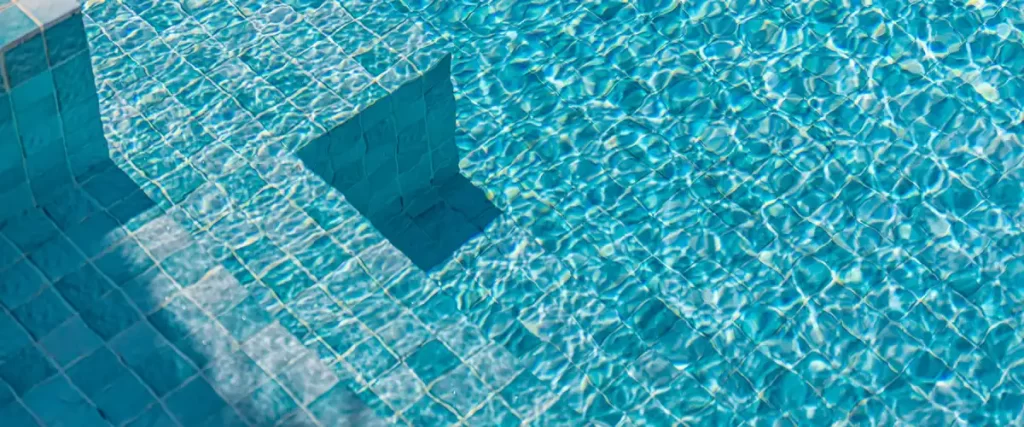
Our Texas sun beats down hard. UV exposure fades colored plasters faster here than in cloudier climates. Direct sunlight hitting the pool surface for 8-10 hours daily accelerates wear on any finish.
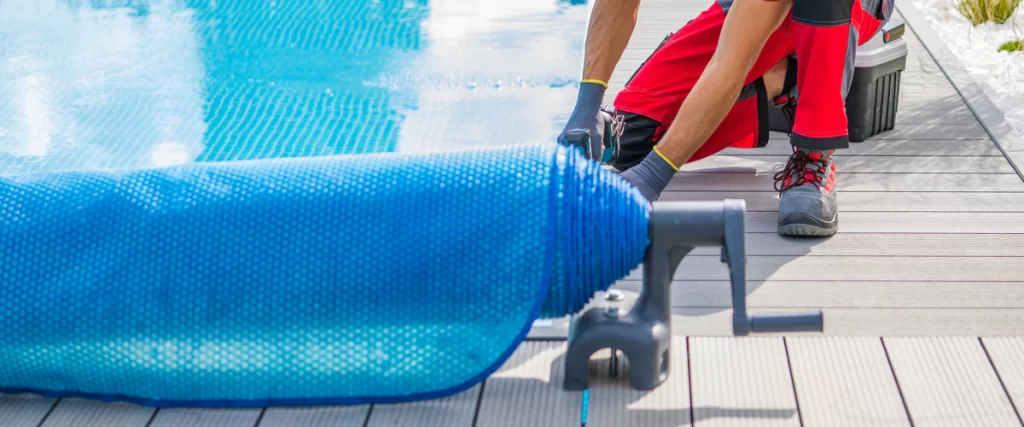
Hot water exacerbates the problem. Summer water temperatures regularly hit 85-90 degrees in uncovered pools, creating ideal conditions for algae growth while stressing cement-based finishes. A pool cover helps tremendously by blocking sunlight and maintaining cooler temperatures.
Hard water is common across North Texas. If you’re filling your pool with city water or well water high in minerals, expect more calcium deposits on plaster surfaces. This doesn’t mean you can’t use plaster, just be prepared for more frequent cleaning to maintain appearance.
The good news is that professional installation by experienced contractors who understand local conditions makes a massive difference. They know how to mix materials for our climate, how to properly cure finishes in Texas heat, and what works long-term in our specific environment.
Tile and Combination Approaches
Some pool owners combine finishes. The waterline often gets ceramic tile to handle the constant wet-dry cycle and prevent staining in the most visible area. Spa areas might use different finishes than the main pool. Steps and benches sometimes get treated with smoother materials, even in pebble pools.
Tile alone is rarely used for entire pool surfaces anymore due to cost and maintenance requirements. A full tile pool might run $40-60 per square foot. Grout lines require cleaning. Individual tiles can pop loose. But as an accent material, tile creates beautiful design elements and protects high-wear areas.
How to Choose the Right Finish
Start with the budget. If you’re working with limited funds, white plaster lets you get your pool built now. You can always upgrade the finish during your first resurfacing in 7-10 years.
Consider your timeline for other pool options. If you’re planning to add features later, a mid-range finish makes sense. Save your budget for those upgrades. If this pool represents your forever backyard setup, spending more on a premium finish pays off over decades.
Water color preference matters too. White plaster creates that traditional light blue look. Darker plasters and pebbles produce deeper blues and greens. Black plaster gives you a modern mirror-like surface that reflects the sky.
Looking at pool finishes alongside other backyard elements? Our article on paver patio materials discusses how to coordinate pool deck surfaces with your pool finish for a cohesive look.
Common Pool Finish Problems and Solutions
Staining shows up on every type of finish eventually. Organic stains from leaves come out with acid washing or enzyme treatments. Metal staining from copper or iron in the water requires chelating agents or drain-and-treat approaches.
Small cracks develop in cement-based finishes as they age. Surface crazing doesn’t affect function, but looks bad. Structural cracks that allow water loss need immediate professional repair to prevent further damage to pool walls.
Rough patches on plaster surfaces usually result from poor troweling during installation or calcium deposits building up over time. Sanding can smooth minor issues, but extensive roughness often means accelerated wear and earlier resurfacing.
Fading affects colored finishes more than aggregate options. Chemical imbalances speed up color loss. There’s no reversing it once it happens, just accept it as normal wear or plan for resurfacing.
Frequently Asked Questions
How long does it take to resurface a pool?
Most pool resurfacing takes 5 to 10 days, depending on the finish type and pool size. Plaster finishes cure quickly, while some aggregates need longer setting times. You’ll need to keep the pool empty during the process and follow specific water filling procedures afterward.
Can I change my pool finish type when resurfacing?
Yes, you can switch between different finish types during resurfacing. Going from plaster to aggregate finishes is common. The old surface gets stripped away, any repairs are made, and then the new finish is applied fresh.
Do darker pool finishes heat the water more?
Darker finishes do absorb more heat from sunlight, which can raise water temperature by a few degrees compared to white finishes. This is sometimes beneficial in spring and fall but can make summer swimming warmer than desired without shade or a pool cover.
Will a textured finish hurt my feet?
Pebble finishes feel rougher than plaster, though most people adapt quickly. Very young children or people with sensitive skin sometimes find coarser pebbles uncomfortable. Medium to fine pebbles or polished pebbles minimize this issue. Quartz and glass bead finishes feel smooth.
How do I prevent staining on my new pool finish?
Maintain proper water chemistry religiously, especially in the first month after installation. Remove organic debris promptly. Use a sequestering agent if you have high metal content in your fill water. Brush regularly to prevent buildup. Test water twice weekly and adjust chemicals as needed.
Let Us Handle the Details
Reading about pH level management, calcium hardness, different aggregate options, resurfacing timelines, and maintenance schedules gives you good information. Acting on all of it consistently for years? That’s harder.
Maybe you’re looking at your aging pool surface and realizing it needs attention soon, but you don’t want to spend weeks researching finishes and getting quotes from different contractors. Or you’re planning a new pool and every decision feels overwhelming when you’re trying to coordinate finishes with tile selections, decking materials, and equipment choices.
Here’s what we do. We build pools in Plano and throughout North Texas, and we’ve installed every type of pool finish available.
We know which ones hold up best in our climate. We can show you actual examples from completed projects, so you can see how different finishes look in real pools, not just photos from manufacturers. We’ll explain exactly what you’re getting for your money with each option, help you understand realistic maintenance requirements, and install whichever finish you choose properly so it lasts.
When you work with McKinley Construction Management, you’re getting honest guidance from people who’ll be around if problems develop.
We stand behind our installations with clear warranties, and we care about making sure you’re happy with your pool for years to come. If you need help figuring out the best finish for your pool, or if you’re ready to start planning a complete pool building project from scratch, we’re here to answer questions and walk you through the process.
Skip the stress and let us handle it. Give us a call at (469) 583-6213 or message us here, and we’ll talk through your options in plain language. No sales pressure, just real information to help you make the right choice. Then we’ll take care of everything else so you can focus on enjoying your pool instead of worrying about it.