
Here’s something most homeowners find out too late: when your original contractor fails to finish the job, finding someone new to step in is harder than it sounds. Most licensed contractors won’t touch another contractor’s unfinished work, and the reasons make a lot of sense once you understand them.
This isn’t about professional courtesy or some unwritten code. It’s about liability, accountability, and the very real risk of inheriting someone else’s problems.
Why a New Contractor Doesn’t Want Your Unfinished Project
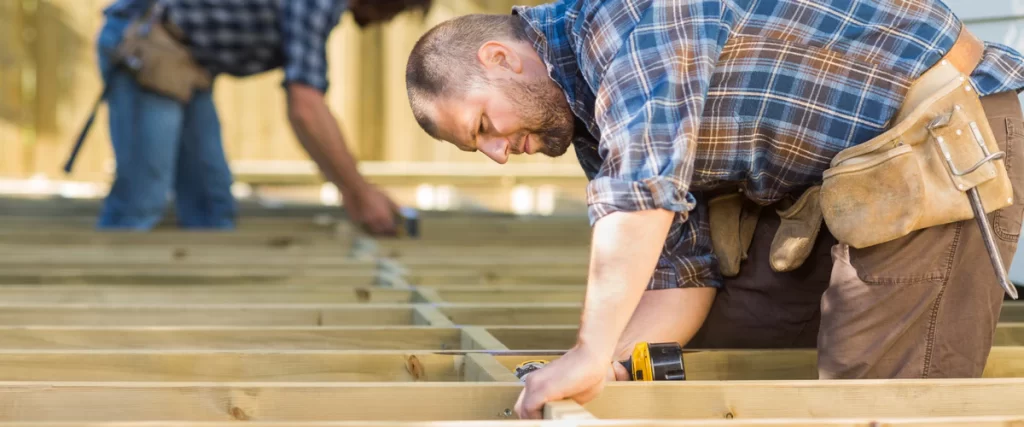
When a contractor walks onto a job someone else started, they’re looking at materials they didn’t choose, work they didn’t perform, and decisions they had no part in. If something fails later, whether it’s kitchen cabinets that weren’t installed correctly or a foundation issue that was quietly buried mid-project, the new contractor can end up held liable for it.
Most contractors aren’t willing to put their license, their insurance, and their reputation on the line for someone else’s mistakes.
A few other reasons new contractors routinely walk away:
- No way to verify what’s behind the walls. Electrical, plumbing, and structural work that’s already been closed up can’t be inspected without tearing things open. A contractor stepping in has no way to know what they’re standing on.
- Pricing becomes a guessing game. Quoting a job from scratch is straightforward. Quoting a job where someone else already did part of it, possibly incorrectly, is not.
- Subcontractors won’t touch it either. The original contractor’s subcontractors may have already walked. New ones often won’t come in mid-project with no history of what’s been done.
- Permits may already be pulled under the wrong name. If the original contractor pulled permits, getting those transferred or replaced for a new contractor can delay everything significantly.
What “Unfinished Work” Actually Means Legally
When a contractor fails to complete a project, it’s not just an inconvenience. It’s a breach of contract, and that comes with legal weight.
According to Kelly Legal Group, if a contractor abandons a project in Texas, you generally have the right to terminate the agreement, hire a replacement, and pursue damages for the additional costs you incur to get the job done. The contractor can be held liable for the difference between the original contract price and what it ends up costing you to finish through someone else.
That said, there are steps that have to happen in the right order. You can’t just fire the contractor and hire someone new without proper written notice. Under the Texas Residential Construction Liability Act, homeowners must provide written notice and a reasonable deadline for the contractor to remedy the situation before pursuing legal action. Skipping that step can weaken your case considerably.
The Documentation That Protects You
If you’re dealing with contractor fails right now, everything from this point forward needs to be in writing.
Every conversation, every voicemail you leave, every email that goes unanswered, save it all. Take dated photos of the current state of the project. Keep every invoice and every record of payment. As Cunningham Dalman notes, written communication that documents the history of the dispute becomes your most useful tool if things escalate to small claims court or beyond.
A written letter to the contractor outlining what work remains incomplete, the reasonable deadline you’re giving them to respond, and what you intend to do if they don’t is usually the formal starting point. Keep a copy. Send it in a way that creates a delivery record.
Your Legal Options When a Contractor Doesn’t Finish
If communication fails and the job sits unfinished, here’s what’s generally available to you:
| Option | What It Involves | Best For |
| Written demand letter | Formal notice giving a deadline to complete or refund | First step before any legal action |
| Licensing board complaint | Filing against their bond for financial recovery | When contractor is licensed and bonded |
| Better Business Bureau complaint | Mediation and arbitration services, possible refund pressure | Resolving disputes without going to court |
| Small claims court | Suing for the contract price difference or damages | Disputes under the state’s dollar threshold |
| Civil lawsuit | Breach of contract, fraud, or deceptive trade practices claims | Larger disputes involving significant additional costs |
Filing a complaint with the Better Business Bureau can sometimes be enough to persuade a contractor to finish the job or return what you’re owed, and the BBB also offers mediation and arbitration services that may resolve things without a lawsuit.
If the contractor is licensed and bonded, you can file a complaint with their licensing board against their surety bond, which exists specifically to reimburse clients when a contractor fails to fulfill their obligations, provided you can document the damages.
In Texas specifically, homeowners have four years to file a breach of contract claim against a construction party, so acting promptly matters even if you’re not ready to file immediately.
What It Ends Up Costing You
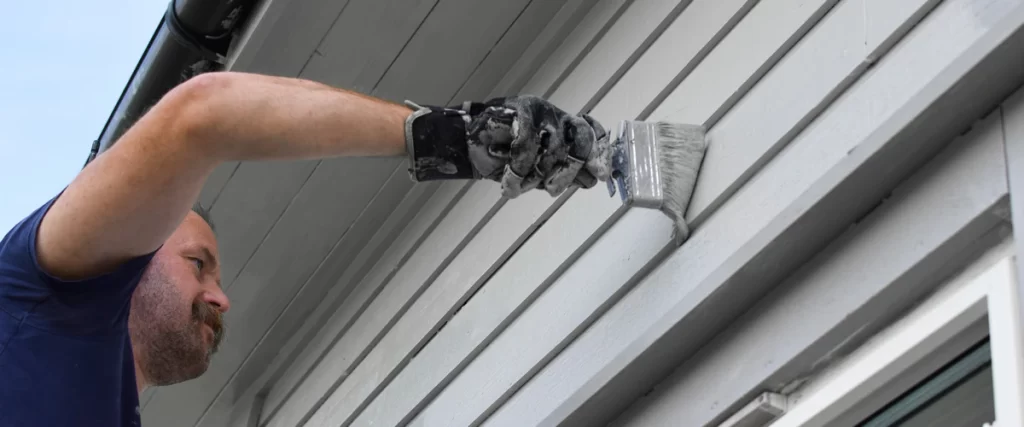
The additional costs of finishing someone else’s incomplete work are almost always higher than what finishing it cleanly would have cost from the start.
The new contractor has to spend time assessing what was done, correcting anything that won’t pass inspection, and working around choices they wouldn’t have made themselves. That time shows up in the bill.
If a contractor took funds intended for your project and diverted them elsewhere, they could potentially be liable for three times the actual damages under certain state laws, and may even face theft charges in some circumstances.
That’s a meaningful legal avenue worth discussing with an attorney if money was paid and work was not performed.
How to Protect Yourself Before a Project Starts
Most of this mess is avoidable. A few things that matter before anyone breaks ground:
- Never pay the full contract price upfront. Tie payments to completed milestones, not arbitrary dates.
- Verify the contractor is licensed and bonded. In Texas, you can check contractor registration through the Texas Department of Licensing and Regulation.
- Get a written contract that spells out the full scope of work, including materials, timeline, and what constitutes completion.
- Keep your payments current with the work actually done. A contractor who is significantly “ahead” in payment has less incentive to finish.
FAQ
Can I just hire a new contractor without notifying the original one? In most cases, no. Texas law generally requires you to give the original contractor written notice and a reasonable opportunity to fix the problem before you terminate and hire someone else. Skipping this can hurt your ability to recover damages later.
What if the original contractor refuses to respond at all? Document every attempt to contact them. After a reasonable deadline passes with no response, you have stronger grounds to terminate the work relationship, hire a new contractor, and pursue legal action for the additional costs.
Is the original contractor responsible for what the new contractor charges? Generally yes, if the original contractor breached the written contract. You can typically recover the difference between what you paid the original contractor and what it actually costs to get the project completed properly.
What if there was no written contract? It makes things harder, but not impossible. Courts can still recognize an implied agreement based on the scope of the work discussed, payments made, and work partially performed. An attorney can advise you on what evidence would support your case.
Can I sue in small claims court without a lawyer? For smaller amounts, yes. Small claims court in Texas handles disputes up to $20,000 and is designed to be navigated without legal representation. For larger amounts or more complex construction disputes, an attorney is worth consulting early.
This Is Why Starting Right Matters So Much

Dealing with a contractor who doesn’t finish the job is genuinely one of the most stressful things a homeowner can go through. The project stalls, the money is already spent, and finding someone willing to step in costs a lot more than finishing it would have.
We don’t leave jobs unfinished. Every project is managed from the first conversation through final walkthrough, with a written agreement, milestone-based payment structure, and a team that shows up consistently until the work is done.
If you want to see what a well-managed outdoor build actually looks like, take a look at our outdoor living spaces page.
Call us at (469) 583-6213 or message us here.