Picking the best pergola material feels harder than it should be. You’ve got wood that looks beautiful but needs work. Aluminum that lasts forever, but might feel cold. Vinyl that promises minimal maintenance but raises questions about strength. The whole point of adding a pergola is to make your outdoor living space better, not to stress about whether your choice will hold up in five years.
Here’s what actually matters when comparing pergola materials: how they handle your local climate, what kind of upkeep you’re willing to commit to, and how much you want to spend both now and over time. Some materials require regular maintenance but deliver that rustic charm.
Others are virtually maintenance-free but come with a higher price tag. A few balance cost effectiveness with strength and durability.
Pergola Materials Comparison at a Glance
| Material | Maintenance | Lifespan | Best Climate | Aesthetic | Initial Cost |
| Cedar/Redwood | High | 10-15 years | Mild to moderate | Traditional, natural | $$-$$$ |
| Pressure Treated Pine | Very high | 8-12 years | All | Rustic when stained | $ |
| Aluminum | Minimal | 25-30+ years | All, excellent for extremes | Modern, sleek | $$$-$$$$ |
| Vinyl | Minimal | 20-25 years | Moderate, good UV needed | Clean, simple | $$-$$$ |
| Steel | Moderate | 30+ years | All, best for severe | Industrial, modern | $$$$-$$$$$ |
| Fiberglass | Low | 25+ years | All | Flexible, varies | $$$$$ |
Let’s break down what each material brings to the table so you can make a smart decision about your outdoor space.
1. Wood Pergolas: The Traditional Choice
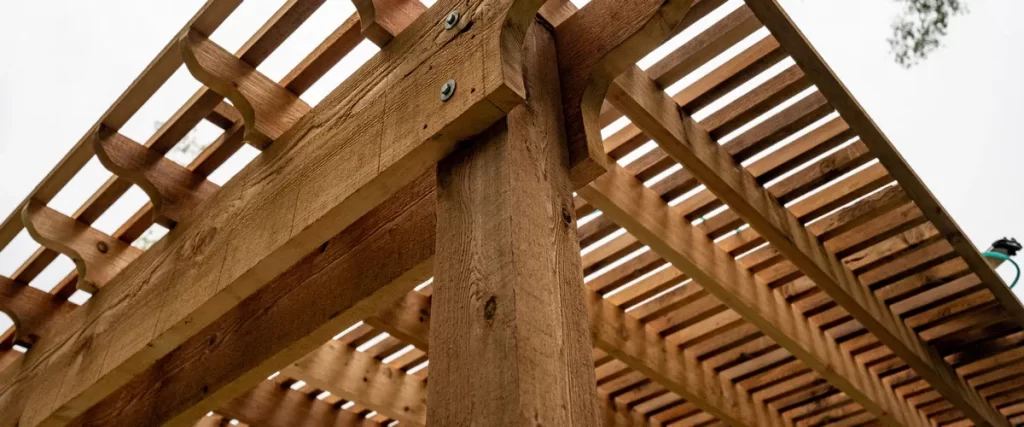
Wood pergolas have been around forever because they work. That natural aesthetic, the way sunlight filters through wooden beams, how climbing plants look growing up cedar posts. There’s a reason wooden pergola designs dominate backyards.
The best wood options include cedar, redwood, and pressure-treated pine. Cedar offers natural resistance to rot and insects without chemical treatment. Redwood costs more but delivers exceptional protection against weather conditions. Pressure-treated pine represents the most affordable option in the wood category, though it lacks the same natural beauty and requires added protection through staining.
What you’re getting with wood:
- Natural beauty: Nothing matches the organic warmth of real wood grain and texture
- Customization options: Easy to cut, shape, and modify during installation and over time
- Aesthetic appeal: Complements gardens, traditional homes, and creates that classic outdoor living vibe
- Reasonable initial cost: Especially with pine, though cedar and redwood run higher
The maintenance needs are real. Wood requires staining or sealing every two to three years to maintain appearance and prevent decay. Regular inspection catches small cracks before they become bigger problems. In harsh weather, particularly in areas with heavy moisture or extreme sun exposure, wood pergolas need attention to stay looking good.
Most wood pergolas last 10 to 15 years with proper care. Skip the maintenance, and you’re looking at frequent repairs, potential structural issues, and a shorter lifespan. For homeowners seeking durability without constant upkeep, wood might not be your long-lasting material.
2. Aluminum Pergolas: Modern and Maintenance Free
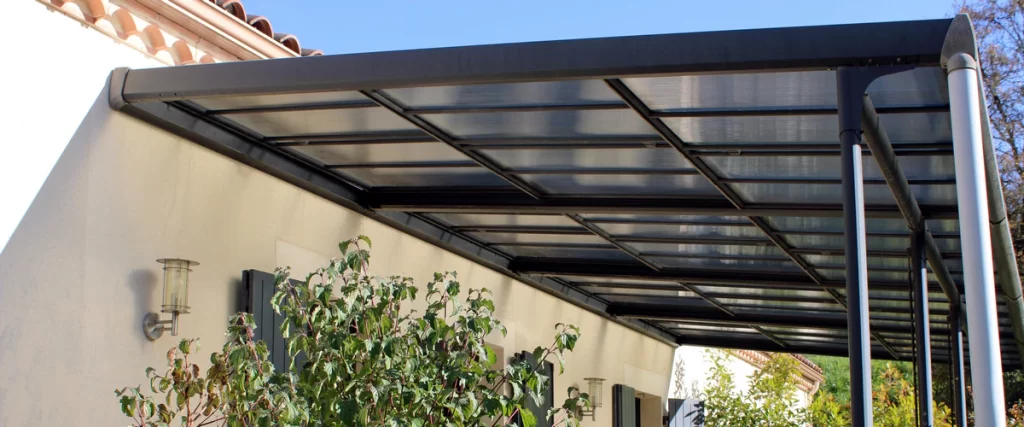
Aluminum pergolas deliver what wood can’t: virtually zero maintenance requirements. Powder-coated finishes resist rust, fading, and weather damage without needing yearly treatments. You install it, maybe hose it down occasionally, and that’s the whole maintenance routine.
Benefits of choosing aluminum:
- Minimal upkeep: Occasional cleaning is all you need, no staining or sealing
- Weather protection: Holds up in strong winds, handles heavy snow loads, stands up to harsh weather
- Powder-coated finishes: Come in various colors and resist chipping better than paint
- Strength: Handles larger structures without the sagging issues wood can develop
The sleek modern look appeals to contemporary homes but might feel out of place with traditional architecture. Some people find metal pergolas too industrial.
The material doesn’t offer the same warmth as wood, though adding fabric, plants, or lighting softens the appearance significantly.
Cost runs higher than wood upfront, typically 20 to 40 percent more than cedar. Over the long term investment timeline, though, you’re saving on maintenance costs and replacement. Aluminum pergolas can last 30 years or more with minimal attention.
For areas prone to extreme conditions, aluminum wins on durability. It doesn’t warp in heat. It won’t rot in wet climates. Termites ignore it completely.
3. Vinyl Pergolas: Low Maintenance, High Durability
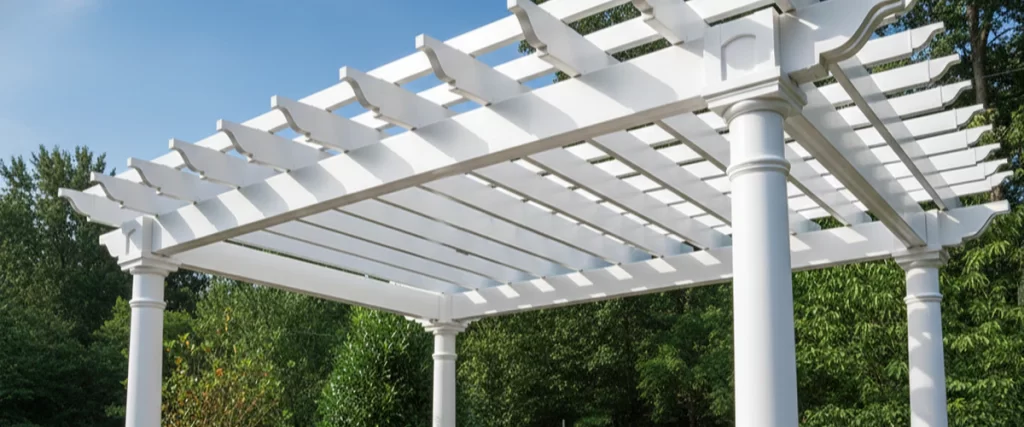
Vinyl pergolas occupy the middle ground between wood’s aesthetics and aluminum’s maintenance benefits. Modern vinyl manufacturing has improved dramatically, creating materials that handle stress better and look less plastic than earlier versions.
The vinyl advantage:
- Virtually maintenance-free: Never needs painting, staining, or sealing
- Weather resistant: UV radiation, moisture, and temperature swings don’t damage quality vinyl
- No rot or insects: Unlike wood, vinyl won’t decay or attract termites
- Cost-effective: Generally less expensive than aluminum, more than basic wood options
Vinyl’s weakness is its strength. It flexes more than wood or metal, which limits span distances between posts and makes vinyl less suitable for very large pergola structures. Heavy snow loads in northern climates can stress vinyl components. The International Building Code requires careful attention to span and load calculations for outdoor structures, and vinyl sometimes needs additional support where other materials wouldn’t.
Color palette options have expanded, but still trail wood and aluminum. Most vinyl comes in white or tan, though some manufacturers offer additional choices. The material won’t take stains or paint, so what you choose initially is what you keep.
Expected lifespan runs 20 to 25 years for quality vinyl products. Cheaper vinyl shows wear faster, particularly in direct sunlight, where UV damage degrades the material. Spending more on UV-resistant vinyl pays off in longevity.
Especially when comparing the benefits of Trex composite pergolas and other modern low-maintenance materials designed for long-term outdoor use.
4. Steel Pergolas: Maximum Strength
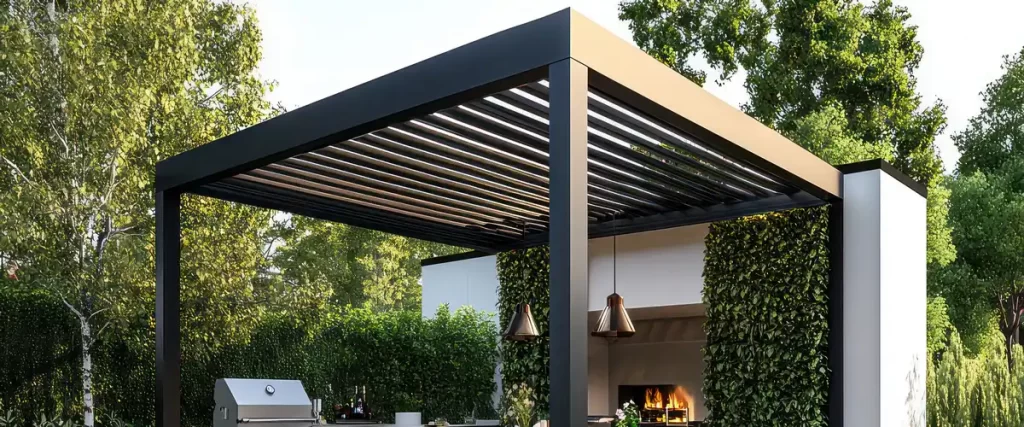
Steel pergolas represent the strongest option for outdoor structures. When you need to span long distances, support heavy roofing materials like a louvered roof system, or build in areas with severe weather, steel delivers unmatched structural capacity.
The tradeoff is weight and maintenance. Steel is heavy, requiring substantial footings and professional installation. Without proper powder-coated protection, steel rusts. Even with coating, scratches or chips expose the metal underneath to corrosion.
Steel works well for modern architectural styles and commercial applications. For residential backyards, it’s typically overkill unless you’re building something particularly large or complex.
5. Fiberglass Pergolas: The Emerging Option
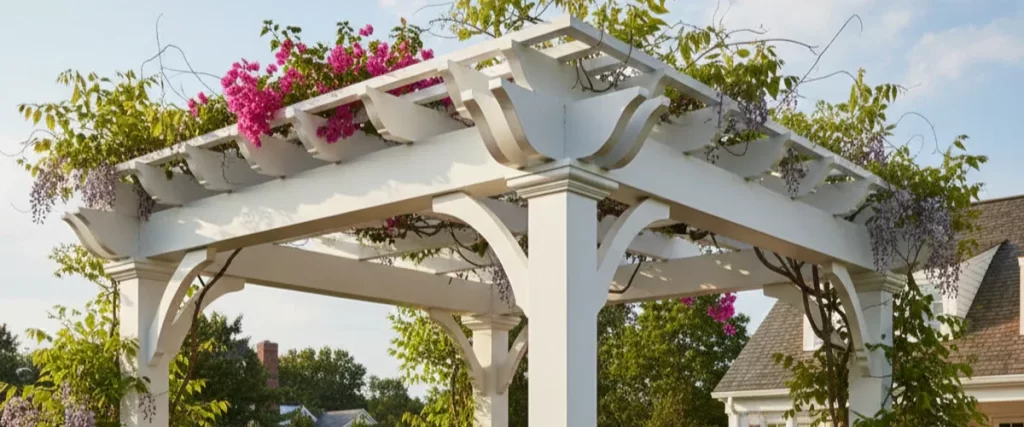
Fiberglass pergolas are relatively new to the market but worth mentioning. The material resists weathering extremely well, requires minimal maintenance, and can be molded into curved or unique shapes that wood and metal can’t match.
Cost runs higher than most other options. Availability is more limited. Repair can be complicated if damage occurs. For most homeowners, fiberglass represents an interesting but impractical choice unless you need specific design capabilities.
How Climate Affects Material Choice
Texas weather throws everything at outdoor structures. Scorching summers with months above 95 degrees. Sudden temperature drops. Occasional ice storms. Your pergola material needs to handle all of it.
Wood expands and contracts with temperature and humidity changes. In our climate, this means checking for cracks and splits regularly. The UV rays here fade wood finishes faster than in cloudier regions.
Aluminum handles heat beautifully but gets hot to touch in direct sunlight. If your pergola roofing materials include solid panels, this matters less. With open slats, the posts can become uncomfortably warm by afternoon.
Vinyl performs well in Texas heat if you choose quality products with UV inhibitors. Cheaper vinyl becomes brittle after years of sun exposure, developing small cracks that worsen over time.
Maintenance Requirements Reality Check
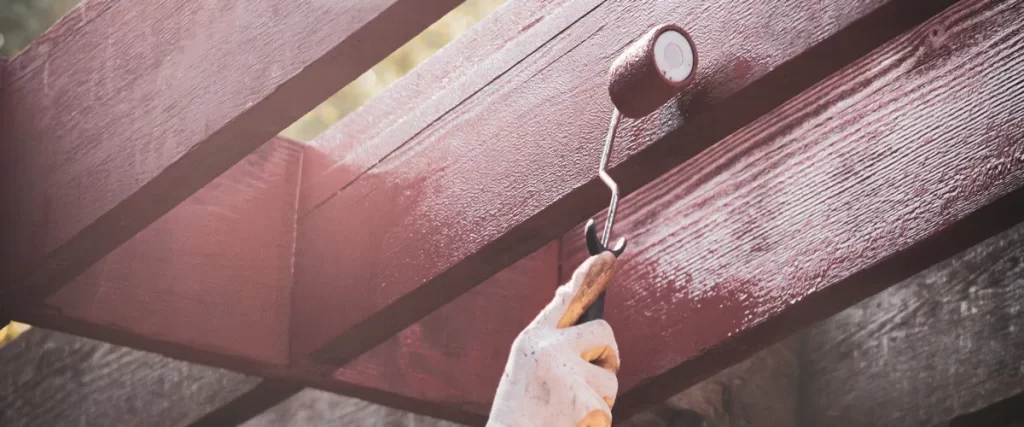
Let’s be honest about what minimal upkeep actually means. Aluminum and vinyl still need occasional cleaning to remove dirt, pollen, and debris. You’re not staining or sealing, but you’re also not ignoring them completely.
Wood pergolas need attention multiple times per year. Spring inspection for damage. Cleaning before summer. Checking hardware and connections. Reapplying stain or sealer every two to three years depending on exposure.
Wood maintenance typical schedule:
- Annually: Inspect for rot, check connections, clean surfaces, touch up finish
- Every 2-3 years: Full restaining or resealing job
- As needed: Replace damaged boards, tighten hardware, and address insect damage
Metal and vinyl maintenance typical schedule:
- Spring and fall cleaning with soap and water
- Annual inspection of connections and structural integrity
- Address any scratches in powder coating promptly to prevent rust (for steel and aluminum)
The time difference is significant. Wood demands hours of work yearly. Other materials may need maybe an hour of hosing down and inspection twice annually.
Roofing Material Compatibility
Your chosen pergola material affects what you can install overhead. Wood accepts almost any pergola roofing materials, from fabric to polycarbonate panels to solid decking. It’s easy to attach and modify.
Aluminum pergolas often come designed for specific roofing systems, particularly louvered roof options that rotate for sun and rain control. The structural strength supports heavy materials without issue.
Vinyl has limitations. Heavy roofing puts stress on the structure. Attaching materials securely to hollow vinyl beams requires special hardware. Most vinyl pergolas work best with fabric canopies or climbing plants rather than solid covers.
Planning to add retractable covers later? Confirm your material choice supports the hardware weight and attachment requirements before committing.
Budget Considerations Beyond Initial Price
A pressure-treated pine pergola might cost $3,000 to install, where an aluminum version of the same size runs $5,000. Over 15 years, though, the wood needs roughly $2,000 in maintenance products and labor. Factor in your time at even modest hourly rates, and aluminum starts looking like a worthwhile investment.
Steel and premium wood options push costs higher initially but offer different value propositions. Steel provides maximum strength for ambitious designs. High-grade cedar or redwood gives you that natural aesthetic with better longevity than pine.
Vinyl lands in the practical middle, costing less than aluminum while requiring similar minimal effort long term. For homeowners balancing budget against time constraints, vinyl often emerges as the best material for the money.
When thinking through your complete outdoor living space design, materials interact with other choices like deck surfaces and patio layouts. Our article covering paver patio materials explores coordinating ground-level surfaces with overhead structures.
Installation and Permit Requirements

Some communities require permits for pergola construction regardless of material. Others waive permits for smaller freestanding structures. The International Building Code provides baseline standards that local jurisdictions adapt, but your city might have specific rules.
Wood pergolas typically meet code requirements easily with proper engineering. Metal and vinyl need verification that support posts can handle the required loads. Larger structures or those with solid roofs trigger more scrutiny during the permitting process.
Professional installation ensures code compliance and proper structural integrity. DIY installation is possible with wood, doable with some vinyl systems, and generally inadvisable with metal unless you have significant construction experience.
If you’re comparing different outdoor structure types and wondering how pergolas fit into your overall backyard plan, our blog about patio vs pergola breaks down how these elements work together.
Making Your Final Material Decision
Start by ranking your priorities. If maintenance preferences lean toward avoiding regular work, eliminate wood immediately. If natural beauty tops your list, focus on cedar or redwood despite the upkeep involved.
Consider your home’s architectural style. Contemporary homes pair well with aluminum or steel. Traditional or craftsman styles look better with wood. Ranch or farmhouse aesthetics work with any material if you choose appropriate finishes.
Think about your timeline. Planning to stay in your home for decades? Invest in aluminum or steel for long-lasting performance. Selling in five years? Wood or vinyl provide good appearance without an oversized investment.
Frequently Asked Questions
Can I paint or stain vinyl pergolas?
No, vinyl won’t accept paint or stain properly. The smooth surface prevents adhesion, and any coating would peel quickly. Choose your vinyl color at purchase because that’s what you’ll have permanently.
How do aluminum pergolas handle hail?
Quality aluminum with proper gauge thickness resists dent damage from typical hail. Severe hailstorms with large stones can dent any material, including aluminum, but it performs better than vinyl and about as well as thick wood beams.
Is pressure-treated wood safe for food gardens?
Modern pressure-treated lumber uses copper-based preservatives considered safe for use around plants and gardens. Older treatments contained arsenic and should be avoided. Check the lumber rating and ask your supplier about the specific treatment used.
Can I install solar panels on a pergola?
Yes, but your material and structure must support the weight. Aluminum and steel handle solar installation well. Wood requires engineering verification. Vinyl generally isn’t suitable for solar panel mounting without substantial reinforcement.
What’s the best material for coastal environments?
Aluminum with marine-grade powder coating or vinyl excels in salty air conditions. Wood deteriorates faster near oceans unless you use extremely rot-resistant species like ipe and maintain it religiously. Steel corrodes even with a coating unless it’s stainless, which becomes prohibitively expensive.
Let Us Handle Your Pergola Project
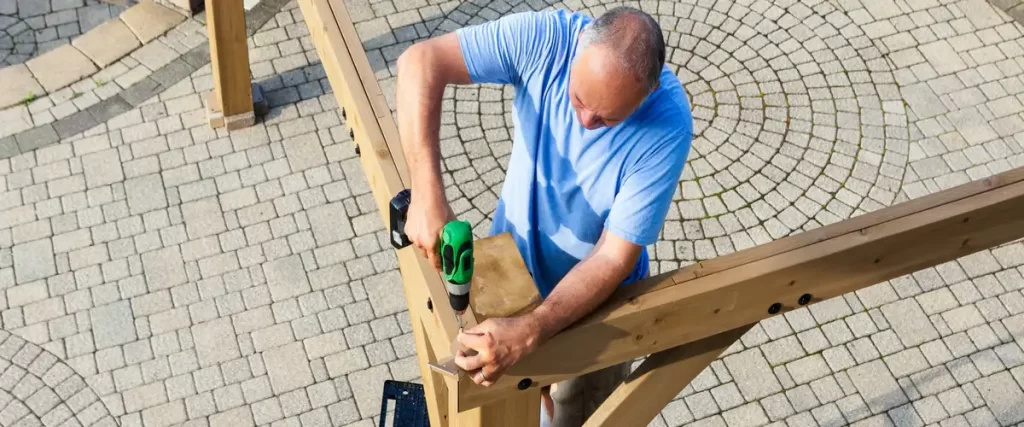
You’ve just read about wood grain patterns, powder coating specifications, UV resistance ratings, load calculations, and maintenance schedules. Your head might be spinning trying to figure out which combination makes sense for your specific situation.
Maybe you’re standing in your backyard right now, measuring spaces and trying to envision whether cedar or aluminum looks better with your house. Or you’re clicking between material samples online, wondering if that vinyl really holds up like the manufacturer claims. The research phase feels endless when you just want to enjoy shade in your outdoor living space.
Here’s what we actually do at McKinley Construction Management. We build pergolas all over Plano and North Texas. We’ve installed every material type in every weather condition this region throws at us. We know which cedar suppliers stock the straightest beams. We understand how aluminum fares after ten years of Texas sun. We’ve seen which vinyl brands still look good after a decade and which ones chalk and fade.
When you talk to us, we ask what you want from your outdoor space, what your maintenance preferences look like, and what your budget allows. Then we show you real examples from projects we’ve completed. Not manufacturer photos, actual pergolas we built for your neighbors. You can touch the materials, ask homeowners how they’re holding up, get honest feedback.
We handle the permit requirements, verify everything meets building codes, and install your pergola properly so it lasts. If you want integrated lighting, we wire it safely. If you’re planning a louvered roof system down the line, we can build the structure to support it now. And when you have questions three years later about maintenance or additions, we’re still here to help.
Stop stressing about whether you’re making the right material choice. We’ll help you figure it out based on what actually matters for your situation. Ready to start planning your perfect outdoor space? Check out our complete pergola builder services to see examples of our work and learn more about what we offer.
Or skip the website browsing and just talk to someone. Give us a call at (469) 583-6213 or message us here, and let’s discuss what makes sense for your backyard. We’ll answer your questions honestly, walk you through your options, and help you create an outdoor space you’ll actually use. Because that’s what this is really about, not perfect material specs but having a beautiful place to relax outside your home.